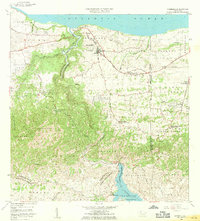
1957 Map of Quebradillas
USGS Topo · Published 1970About this map
Quebradillas stands as the primary urban center on this mid-century survey, overlooking the Atlantic Ocean and the winding course of the Rio Guajataca. The landscape is defined by the sharp transition from the coastal plains of Terranova and San Jose to the limestone hills of Charcas and Planas in the south. A notable engineering feature is the Via Antigua del Ferrocarril, tracing the northern coastline and signaling the region's historical reliance on rail for transporting agricultural products.
Find a feature on this map
61 named features on this map. Tap any name to fly to it.
Don’t see what you’re looking for? This feature index may not catch every label — zoom into the map to look around manually.
Map Details
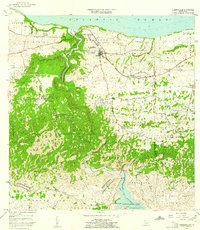
Editions of this 1957 Quebradillas Map
2 editions found
Other maps of this area
1937 · Moca
USGS Topo · 1:20,000
1938 · Alto Sano
USGS Topo · 1:20,000
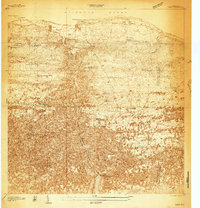
1938 · Camuy
USGS Topo · 1:20,000
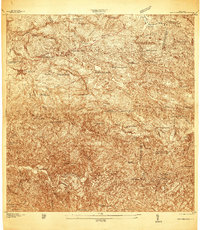
1938 · San Sebastian
USGS Topo · 1:20,000
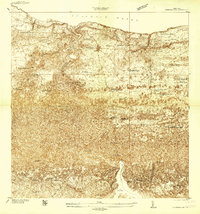
1938 · Quebradillas
USGS Topo · 1:20,000
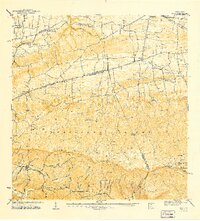
1941 · Moca
USGS Topo · 1:30,000
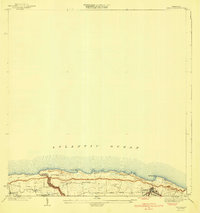
1941 · Isabela
USGS Topo · 1:30,000
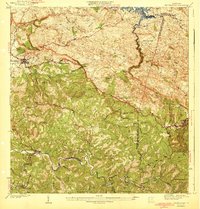
1941 · San Sebastian
USGS Topo · 1:30,000
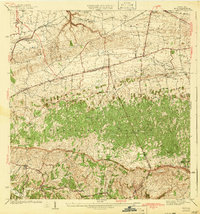
1942 · Moca
USGS Topo · 1:30,000
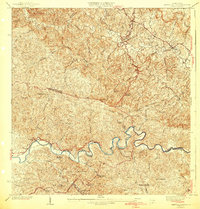
1942 · Central La Plata
USGS Topo · 1:30,000
Featured Places
- Quebradillas
- Reparto Apolonio Vélez Ramos, Isabela
- Villa Ledumerced, Quebradillas
- Hacienda La Sabana, Camuy
- Brisas de la Sabana, Camuy