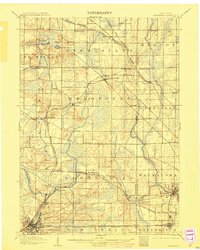
1906 Map of Waukesha
USGS Topo · Published 1914About this map
The growing agricultural and industrial landscapes west of Milwaukee are documented in this 1906 survey. Waukesha stands as a primary hub in the south, while the northern reaches show the early established settlements of Germantown and the Lutheran community at Freistadt. The landscape is defined by the winding course of the Menomonee River and its North Branch, which helped facilitate early industry in towns like Menomonee Falls. The region is a dense network of competing rail interests, including the Wisconsin Central Railroad Main Line and the Chicago Milwaukee and St. Paul Railroad, alongside the Electric Line pushing westward toward Calhoun. Researchers can trace the development of smaller rail-stop communities like Duplainville and Lannon, appearing here just as the suburban expansion of Milwaukee began to reach toward Wauwatosa.
Find a feature on this map
58 named features on this map. Tap any name to fly to it.
Don’t see what you’re looking for? This feature index may not catch every label — zoom into the map to look around manually.
Map Details
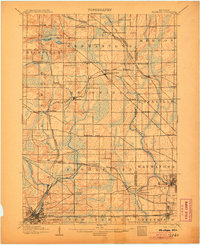
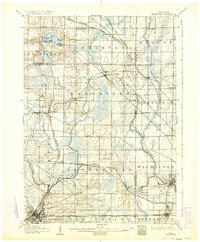
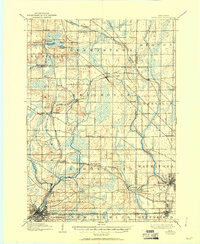
Editions of this 1906 Waukesha Map
4 editions found
Other maps of this area
1891 · Bayview
USGS Topo · 1:62,500
1891 · Muskego
USGS Topo · 1:62,500
1892 · Milwaukee
USGS Topo · 1:62,500
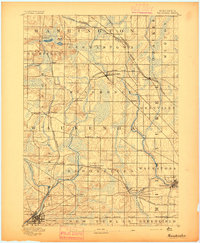
1892 · Waukesha
USGS Topo · 1:62,500
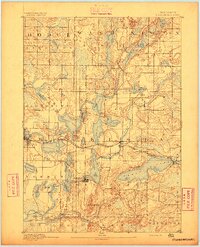
1892 · Oconomowoc
USGS Topo · 1:62,500
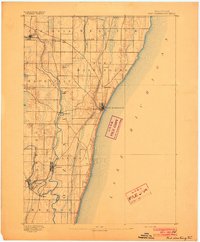
1892 · Port Washington
USGS Topo · 1:62,500
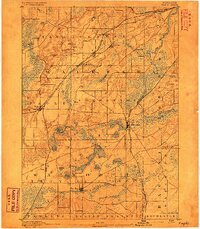
1892 · Eagle
USGS Topo · 1:62,500
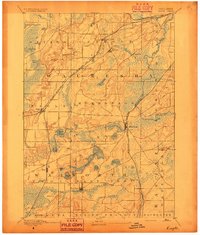
1894 · Eagle
USGS Topo · 1:62,500
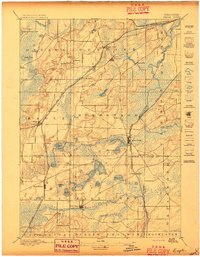
1897 · Eagle
USGS Topo · 1:62,500
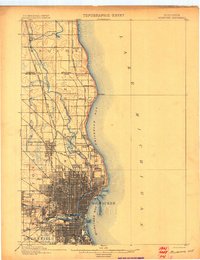
1901 · Milwaukee
USGS Topo · 1:62,500