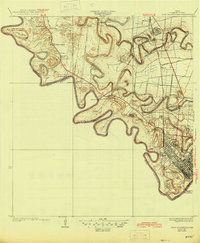
1936 Map of West Brownsville
USGS Topo · Published 1945About this map
The Rio Grande snakes along the international border in this mid-1930s survey, defining a landscape of complex hydrological engineering and traditional cattle ranching. The river's meandering path has left behind numerous oxbow lakes, known locally as resacas, including the prominent Resaca de la Palma. These natural features are interspersed with an extensive irrigation network featuring the Main Canal, numerous pumping stations, and a dedicated Floodway designed to manage the unpredictable South Texas waters.
Find a feature on this map
42 named features on this map. Tap any name to fly to it.
Don’t see what you’re looking for? This feature index may not catch every label — zoom into the map to look around manually.
Map Details
Editions of this 1936 West Brownsville Map
2 editions found
Other maps of this area
1929 · La Paloma
USGS Topo · 1:24,000
1930 · Los Fresnos
USGS Topo · 1:24,000
1930 · West Brownsville
USGS Topo · 1:24,000
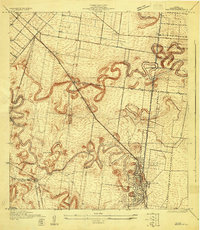
1930 · Barreda
USGS Topo · 1:24,000
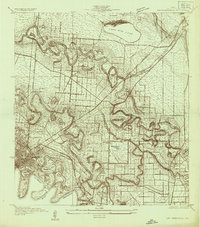
1930 · East Brownsville
USGS Topo · 1:24,000
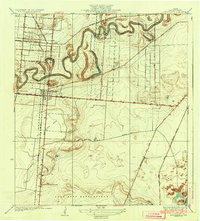
1936 · Los Fresnos
USGS Topo · 1:31,680
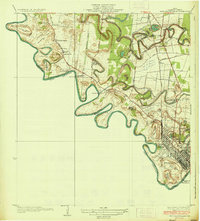
1936 · West Brownsville
USGS Topo · 1:31,680
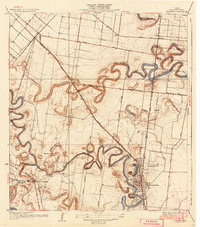
1936 · Barreda
USGS Topo · 1:31,680
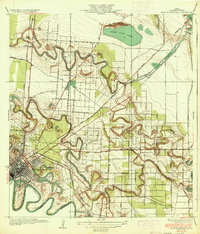
1936 · East Brownsville
USGS Topo · 1:31,680
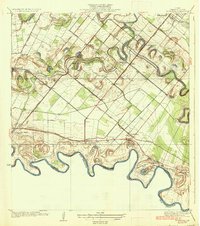
1936 · La Paloma
USGS Topo · 1:31,680