1970s Maps of Clarke County, Alabama
Explore 24 historic maps of Clarke County from the 1970s. These maps offer a rare glimpse into what life looked like during the 1970s — showing old roads, neighborhoods, homes, and landmarks that have changed or disappeared over time.
Whether you're researching your family's past, planning a metal detecting trip, or studying how Clarke County's landscape evolved across the 1970s, these high-resolution maps are a powerful tool for exploring the history of this region.
- Focus on a specific era: All maps on this page are from the 1970s, giving you a focused view of this time period.
- See what’s changed: Compare century-old streets, trails, and buildings to today's modern landscape using overlays and satellite layers.
- Research with precision: Use these maps for genealogy, historical research, land use analysis, or educational projects.
- View, download, or print: Maps are fully viewable online in high resolution, and can be downloaded or printed for your own records.
Start exploring Clarke County's history through authentic maps from the 1970s. This is your window into the past.
Clarke County, AL maps
(24)- 1971 Map of Coffeeville, 1974 Print
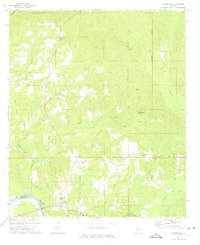 1971 Coffeeville1974 Print · USGSThe Tombigbee River country of Clarke County is shown here in the early 1970s, before modern infrastructure reshaped many rural Alabamian river towns. Researchers can trace family sites near Coffeeville, explore the crossroads at Center Point, and locate landmarks like Jones Chapel and the High Sch.2 unique versions available
 - 1971 Map of Ararat, 1975 Print
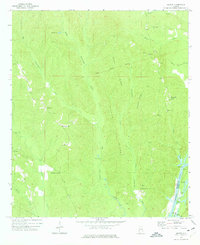 1971 Ararat1975 Print · USGSChoctaw County in the early 1970s is shown here as a landscape of timbered ridges and river bottomlands. Genealogists and local historians can trace the sites of Slaters Chapel, Thornton Springs, and the Old Indian Treaty Boundary near the river.2 unique versions available
 - 1971 Map of Coffeeville Lock And Dam, 1975 Print
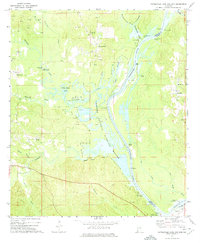 1971 Coffeeville Lock And Dam1975 Print · USGSThe Tombigbee River corridor was undergoing significant change in the 1970s as industrial oil extraction operated alongside new conservation efforts. Researchers can trace river landings like Sellers Landing and find local landmarks such as Pleasant Chapel and Womack Hill.2 unique versions available
 - 1972 Map of Chrysler, 1974 Print
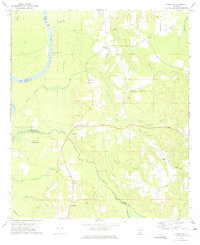 1972 Chrysler1974 Print · USGSMonroe County and the Baldwin county line are mapped here in the early seventies as the river-and-rail landscape was shifting. Genealogists and local historians can locate several family-named landmarks and rural centers, including Eliska, Mamies Chapel, and Shomo Cem.2 unique versions available
 - 1972 Map of Flynns Lake, 1974 Print
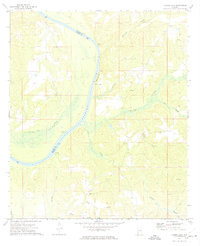 1972 Flynns Lake1974 Print · USGSThe Alabama River corridor at the Monroe and Clarke county line comes to life in this early 1970s survey. Genealogists and researchers can trace historic river access at Dale Ferry Landing and locate rural landmarks like Mt Gilead Ch and Baileys.2 unique versions available
 - 1972 Map of Whatley, 1975 Print
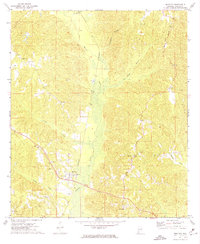 1972 Whatley1975 Print · USGSClarke County's rural landscape is captured here in the early seventies, centered on the railroad community of Whatley. Researchers can trace family history at sites like Orange Hill Ch or locate the path of the Old Indian Treaty Boundary.
 - 1972 Map of Gainestown, 1975 Print
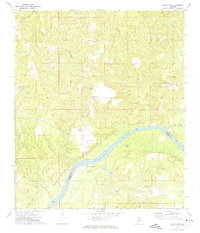 1972 Gainestown1975 Print · USGSThe Alabama River dominates this southwest Alabama landscape in the early seventies, where river landings still defined local commerce. Genealogists can trace family roots through sites like Gainestown, Barlow Bend, and the Good Hope Ch Cem.
 - 1972 Map of Claiborne, 1975 Print
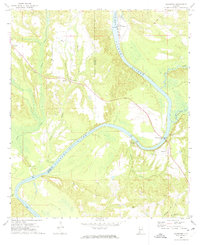 1972 Claiborne1975 Print · USGSThe Alabama River corridor in the early 1970s reveals a landscape of historic landings and modern engineering. Trace family roots and riverside industry at Gosport Landing, McConnico Cem, and the massive Claiborne Lock and Dam.
 - 1972 Map of Tattlersville, 1975 Print
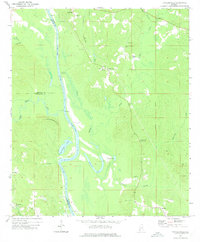 1972 Tattlersville1975 Print · USGSThe Tombigbee River corridor in southwestern Alabama was defined by its water-bound commerce and quiet rural crossroads in the early 1970s. Genealogists can trace family names at Blount Landing and rural congregations at New Hope Ch or St Pauls Ch.2 unique versions available
 - 1972 Map of Woods Bluff, 1975 Print
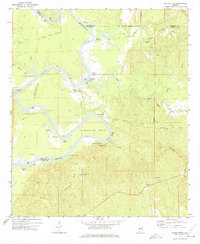 1972 Woods Bluff1975 Print · USGSThe Tombigbee River country at the start of the 1970s reveals a landscape of historic river landings and ancient boundaries. Researchers can trace family sites near Smyer and Woods Bluff, or locate the Old Indian Treaty Boundary and Witch Creek Ch.2 unique versions available
 - 1972 Map of Suggsville, 1975 Print
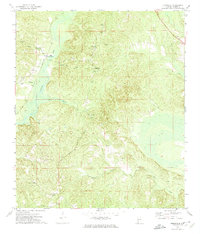 1972 Suggsville1975 Print · USGSClarke County's rural interior is documented here during the early seventies, centered on the historic crossroads of Suggsville. Researchers can trace the Old Indian Treaty Boundary and locate family landmarks like Poyner Chapel Cem and the Southern rail stop at Allen.
 - 1972 Map of Chance, 1975 Print
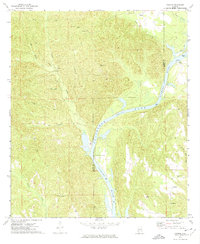 1972 Chance1975 Print · USGSThe rural riverlands of Clarke and Monroe Counties are captured here in the early seventies, centered on the Alabama River corridor. Researchers can trace local heritage through landmarks like Finchburg, Fellowship Ch, and Foster Landing.
 - 1972 Map of St. Stephens, 1975 Print
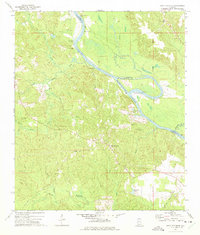 1972 St. Stephens1975 Print · USGSThe Tombigbee River corridor at the Washington and Clarke county line comes to life in this early 1970s survey. Researchers can trace historic river navigation at Old Lock No 1 or locate family plots at Old St Stephens Cem and Granade Cem.2 unique versions available
 - 1973 Map of Fulton East, 1977 Print
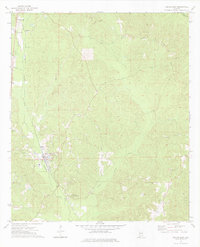 1973 Fulton East1977 Print · USGSClarke County's rural timber and rail lands are shown here in the early seventies as the SOUTHERN railroad connected small communities. Genealogists and local historians can locate Henley Cem, Salem Ch Cem, and the historic OLD INDIAN TREATY BDY.
 - 1973 Map of Thomasville, 1977 Print
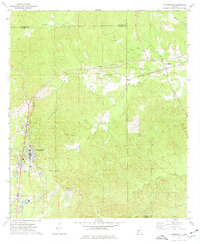 1973 Thomasville1977 Print · USGSThomasville and its surrounding rail-side communities are captured here in the early 1970s as the town expanded near the SOUTHERN line. Genealogists and historians can trace family roots through numerous sites like Finley Crossing, Danzy Cem, and the historic Old Indian Treaty Bdy.2 unique versions available
 - 1973 Map of Lower Peach Tree, 1977 Print
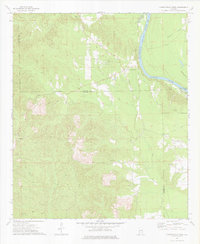 1973 Lower Peach Tree1977 Print · USGSThe Alabama River corridor near Lower Peach Tree is captured here during the 1970s as the river system adapted to the creation of Claiborne Lake. Genealogists can locate family landmarks like New Mt Moriah Ch, Kennedy Cem, and the historic Indian Treaty Bdy.
 - 1978 Map of Jackson, 1979 Print
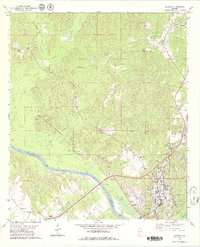 1978 Jackson1979 Print · USGSJackson and the Tombigbee River corridor are captured in the late seventies as a busy center of river-and-rail commerce. Researchers can trace family roots at Peniel Cem or explore early schooling at Gillmore Sch and Jackson Academy.2 unique versions available
 - 1978 Map of McEntyre, 1979 Print
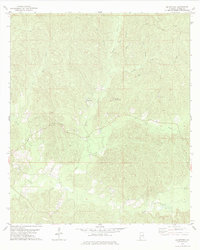 1978 McEntyre1979 Print · USGSClarke County in the late seventies remained a landscape of timbered ridges and winding watercourses like Satilpa Creek. Genealogists and local historians can trace family-named landmarks including Huggins Cem, New Prospect Ch, and the settlement at McEntyre.
 - 1978 Map of Bashi, 1979 Print
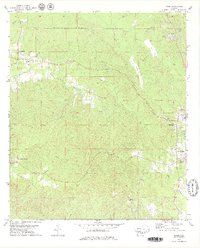 1978 Bashi1979 Print · USGSThe border of Marengo and Clarke Counties is defined by the historical Old Indian Treaty Boundary in the 1970s. Researchers can trace rural life through sites like Tallahatta Springs, Glover, and Thomasville Academy.2 unique versions available
 - 1978 Map of Winn, 1979 Print
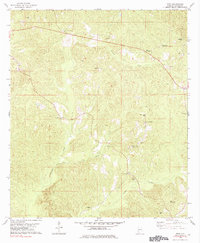 1978 Winn1979 Print · USGSClarke County's rural heartland is documented here in the late seventies, showing a landscape shaped by small communities and family-named landmarks. Genealogists and local historians can trace numerous country churches and cemeteries, including New Clarksville Ch, Austin Cem, and Berrys Chapel.2 unique versions available
 - 1978 Map of Morvin, 1979 Print
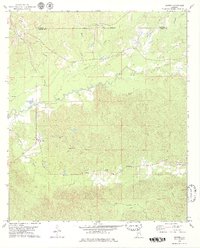 1978 Morvin1979 Print · USGSThe rural borders of Clarke and Marengo Counties are documented here in the late seventies, showing the landscape just before modern expansion. Genealogists can trace family names and local landmarks like Campbell Cem, Walnut Grove Ch, and the historic Indian Treaty Boundary.2 unique versions available
 - 1978 Map of Grove Hill, 1979 Print
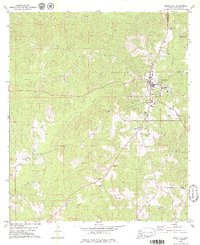 1978 Grove Hill1979 Print · USGSGrove Hill and the surrounding Clarke County countryside appear here in the late seventies as the town expands south and east. Genealogists and local historians can trace family locations through numerous sites like Smith Cem, Pine Chapel, and the Hollingsworth Cem.2 unique versions available
 - 1978 Map of Fulton West, 1979 Print
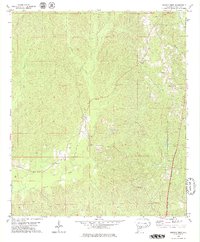 1978 Fulton West1979 Print · USGSClarke County, Alabama, is documented here in the late 1970s as a landscape of rural settlements and winding creek valleys. Researchers can locate family landmarks like Smiths Cem and Kelley Cem or trace community roots at Springfield Ch and Chilton.2 unique versions available
 - 1978 Map of Walker Springs, 1979 Print
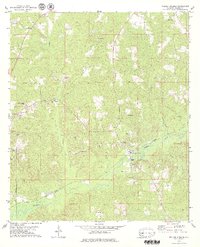 1978 Walker Springs1979 Print · USGSClarke County in the late seventies is a landscape of creek-side settlements and rural rail hubs. Genealogists and local historians can trace family locations through numerous sites like Gaddies Chapel Cem, Walker Springs, and St Luke Ch.2 unique versions available
End of results
Showing maps 1-24 of 24
Top cities of Clarke County
- Jackson historical maps
- Thomasville historical maps
- Grove Hill historical maps
- Coffeeville historical maps
- Fulton historical maps
Frequently asked questions
- What are the different types of historical maps available for Clarke County?
- What is the oldest map of Clarke County?
- Where can I purchase historical maps of Clarke County for my home or office?
- Where can I download high-res historical maps of Clarke County?
- Are there historical topographic maps available for Clarke County?
- Is there historical aerial imagery available for Clarke County?
- Where are historical maps of Clarke County sourced from?