Old Maps of Parker, Arizona for Academic Research
Study the evolution of Parker with 46 high-resolution historic maps. Whether you're teaching, researching, or modeling changes in land use, these maps provide essential visual documentation of urban, environmental, and geographic change.
- Analyze long-term change: Track patterns in development, transportation, and natural features.
- Ideal for environmental or urban studies: Support academic projects with primary historical map data.
- Use in the classroom or lab: Educators and researchers rely on these maps to bring historical context to life.
These maps are a powerful tool for teaching, research, and visualizing how Parker has changed over the decades.
Parker, AZ maps
(46)- 1911 Map of Parker
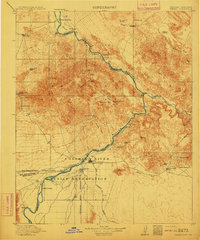 1911 Parker1911 Print · USGSThe Arizona-California borderlands are captured here in the early twentieth century as the river and rail networks began to transform the desert. Researchers can trace the development of the Colorado River Indian Reservation, the rail hub at Parker, and early mining sites like the Billy Mack Mine.3 unique versions available
 - 1930 Map of Linskey
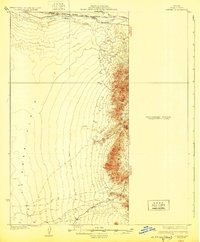 1930 Linskey1930 Print · USGSArizona's western desert frontier comes into focus in this late 1920s survey of the La Posa Plain. Researchers can trace the path of the Atchison Topeka and Santa Fe railroad through Linskey and locate early water sources like Tenmile Well.2 unique versions available
 - 1931 Map of Moon Mtn, 1955 Print
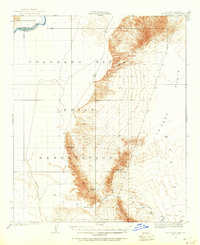 1931 Moon Mtn1955 Print · USGSThe Arizona-California borderlands are captured here in the early thirties, defined by the winding Colorado River and the stark Dome Rock Mountains. Historians and prospectors can trace mineral workings at the Valenzuella Mine and Mammoth Mine.2 unique versions available
 - 1932 Map of Moon Mtn
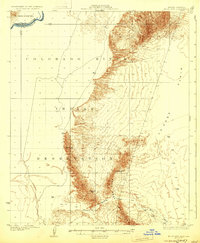 1932 Moon Mtn1932 Print · USGSThe Arizona-California borderlands are captured here in the early 1930s, showing the intersection of tribal lands and desert mining. Genealogists and historians can trace the early boundaries of the Colorado River Indian Reservation and locate industrial sites like the Valenzuela Mine.2 unique versions available
 - 1942 Map of Blythe
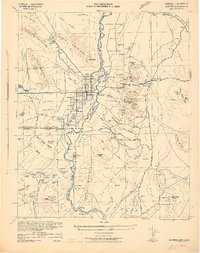 1942 Blythe1942 Print · USGSThe Lower Colorado River valley appears here in the early 1940s, showcasing the agricultural development of the Palo Verde Mesa alongside a booming mining industry. Researchers can locate remote desert outposts and extraction sites like Midland, the U S Gypsum Mine, and Nortons Landing.2 unique versions available
 - 1942 Map of MOON MTN, 1943 Print
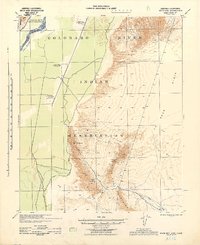 1942 MOON MTN1943 Print · USGSThe Colorado River valley and its surrounding desert ranges are shown here during the height of the Second World War. Historians can trace the locations of the Parker Alien Reception Center units and former workings at Valenzuella Mines.
 - 1943 Map of Parker
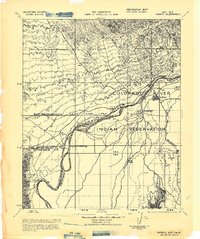 1943 Parker1943 Print · USGSThe Lower Colorado riverfront was a vital military and transport corridor during the 1940s. Genealogists and historians can trace the rail and river network connecting Parker to the Colorado River Indian Reservation, Agency, and Doyles Landing.
 - 1949 Map of Parker, 1960 Print
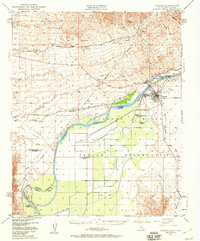 1949 Parker1960 Print · USGSThe Colorado River borderlands in the late 1940s show a fascinating mix of tribal lands, railroad stops, and desert mining. Genealogists and historians can locate the Mojave Indian Ch, the Cremation Ground, and the old Colorado River Day Sch within the reservation.2 unique versions available
 - 1950 Map of Parker
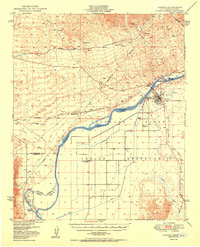 1950 Parker1950 Print · USGSThe Lower Colorado River valley in the mid-century shows a landscape defined by massive water projects and tribal lands. Researchers can trace the Colorado River Indian Reservation boundary, the Headgate Rock Dam, and desert mining at the Blue Cloud Mine.2 unique versions available
 - 1954 Map of Salton Sea
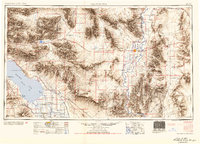 1954 Salton Sea1954 Print · USGSThe Colorado River and Imperial Valley desert frontiers are captured here in the 1950s. Trace the irrigation networks of Calipatria and mining sites like Eagle Mountain Mine.
 - 1954 Map of Needles
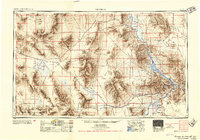 1954 Needles1954 Print · USGSThe Mojave Desert at the height of the mid-century era shows a landscape defined by the Atchison Topeka and Santa Fe railroad and the legendary U S Highway 66. Genealogists and historians can trace rail stops like Goffs, mining sites such as the Bonanza King Mine, and the early borders of the Chemehuevi Indian Reservation.
 - 1955 Map of Salton Sea
 1955 Salton Sea1955 Print · USGSThe Colorado River and Imperial Valley desert basins appear here during the mid-fifties, revealing a landscape of remote mines and agricultural irrigation. Genealogists and researchers can trace locations like the Parker Alien Reception Center Unit No 1, Blythe, and the Kane Springs School.2 unique versions available
 - 1956 Map of Needles
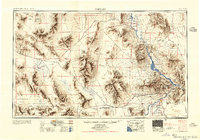 1956 Needles1956 Print · USGSThe Mojave Desert and Colorado River come alive in the mid-fifties, showing the intersection of vital rail lines and massive water projects. Trace the Atchison Topeka and Santa Fe line through Amboy or locate remote sites like the Copper World Mine and Rio Vista Guest Ranch.7 unique versions available
 - 1959 Map of Black Peak, 1961 Print
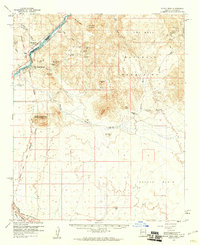 1959 Black Peak1961 Print · USGSThe Colorado River borderlands in the late fifties reveal a landscape of active mining and desert transit. Genealogists and historians can trace industrial activity at the Mineral Hill Mines or locate river-side life at Cross Roads and Cienega Springs.4 unique versions available
 - 1959 Map of Salton Sea, 1968 Print
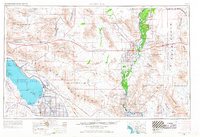 1959 Salton Sea1968 Print · USGSThe Colorado River and Salton Sea basin are shown here during a decade of intense military and agricultural activity. Trace family roots in Blythe or Niland, and locate historical mining operations like the Eagle Mountain Mine and Red Cloud Mine.4 unique versions available
 - 1962 Map of Bouse, 1964 Print
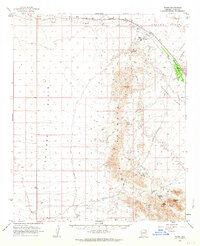 1962 Bouse1964 Print · USGSCovers Parker, including Bouse, La Paz County, and other nearby areas2 unique versions available
 - 1963 Map of Salton Sea
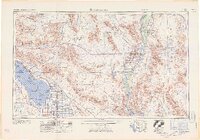 1963 Salton Sea1963 Print · USGSThe Colorado Desert during the early sixties shows a landscape defined by massive water projects and Cold War military ranges. Trace the growth of Salton City and Brawley, or locate remote desert outposts like the Paymaster Mine and Desert Center.
 - 1965 Map of Salton Sea
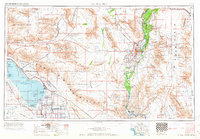 1965 Salton Sea1965 Print · USGSThe Colorado Desert and Imperial Valley are caught in a period of intense irrigation and military expansion during the mid-sixties. Researchers can trace the desert's industrial footprint through the Eagle Mountain Mine, the remote Desert Center, and the Salton Sea Test Base.
 - 1970 Map of Parker, 1973 Print
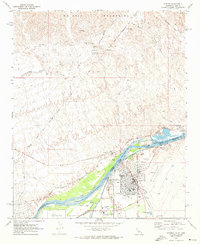 1970 Parker1973 Print · USGSThe Colorado River borderlands in the early 1970s reveal the growth of Parker alongside massive water infrastructure like the Headgate Rock Dam. Genealogists and historians can trace the Wyatt Earp House and the Indian Agency Headquarters.3 unique versions available
 - 1970 Map of Parker SE, 1973 Print
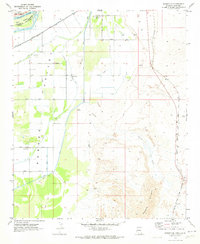 1970 Parker SE1973 Print · USGSThe Colorado River Indian Reservation in the early seventies shows a landscape defined by industrial-scale irrigation and desert transit. Genealogists and historians can trace local landmarks like the Cremation Ground (Cem) or the path of the Atchison Topeka and Santa Fe railroad.2 unique versions available
 - 1971 Map of Moon Mtn NE, 1973 Print
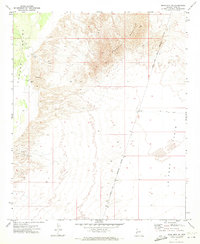 1971 Moon Mtn NE1973 Print · USGSIn the early 1970s, this desert landscape in western Arizona was defined by its industrial activity and complex land boundaries. Trace the Colorado River Indian Reservation Boundary or locate historical extraction sites like the Gravel Pits and Gravel Pit.
 - 1981 Map of Needles, 1987 Print
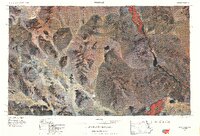 1981 Needles1987 Print · USGSThe High Desert and Colorado River valley are seen here in the early 1980s through the unique lens of satellite imagery. Trace the isolated outposts of the AT & SF railroad at Goffs and Essex, or explore the sprawling shores of Lake Havasu.
 - 1985 Map of Parker
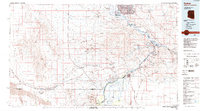 1985 Parker1985 Print · USGSThe Colorado River valley in the mid-eighties was a hub of desert transit, mining, and water management. Researchers can trace the path of the Atchison Topeka and Santa Fe railroad through Vidal Junction and locate numerous historic diggings like the Gold Hill Mine or Billy Mack Mine.2 unique versions available
 - 1986 Map of Blythe
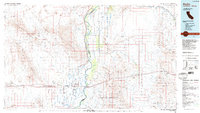 1986 Blythe1986 Print · USGSThe Colorado River valley at the California and Arizona border in the mid-1980s shows a landscape of intensive desert farming and remote mining. Trace the rail lines of the Atchison Topeka and Santa Fe or locate historical workings like the Arlington Mine and Victor Mine.3 unique versions available
 - 1990 Map of Bouse NW
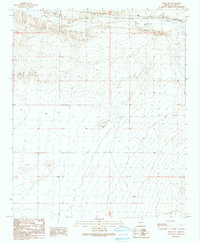 1990 Bouse NW1990 Print · USGSThe arid desert of La Paz County is captured here in the early nineties, revealing a landscape shaped by natural drainage and utility infrastructure. Researchers can trace the path of Bouse Wash and locate specific markers like the Substations and Water Tank.
Showing maps 1-25 of 46
Top cities near Parker
- Parker historical maps
- Cienega Springs historical maps
- Big River historical maps
- Bouse historical maps
- Bluewater historical maps
- Parker Strip historical maps
See more
Top neighborhoods of Parker
Frequently asked questions
- What are the different types of historical maps available for Parker?
- What is the oldest map of Parker?
- Where can I purchase historical maps of Parker for my home or office?
- Where can I download high-res historical maps of Parker?
- Are there historical topographic maps available for Parker?
- Is there historical aerial imagery available for Parker?
- Where are historical maps of Parker sourced from?