Old Maps of Marana, Arizona for Hiking & Exploration
Hike through history with 67 historic maps of Marana. Explore old trails, ghost towns, and forgotten backroads — perfect for outdoor adventurers and local explorers.
- Rediscover forgotten places: Map out old mining camps, roads, and footpaths that no longer exist on modern maps.
- Layer with modern tools: Combine with LiDAR or satellite views to plan hikes through historical terrain.
- Made for exploration: Popular among hikers, overlanders, and local history lovers.
Use these maps to find adventure and explore the hidden past of Marana.
Marana, AZ maps
(67)- 1934 Map of Tucson Mountains
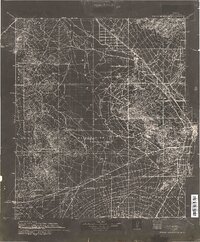 1934 Tucson Mountains1934 Print · USGSThe desert northwest of Tucson comes into focus during the mid-1930s, showing the early footprints of the Papago Indian Reservation and the railroad corridor. Genealogists and historians can trace family-named sites and ranching outposts like Maisi Ayra Ranch, Rodriguez, and the Maish Roadside Mine.
 - 1934 Map of Newman Peak
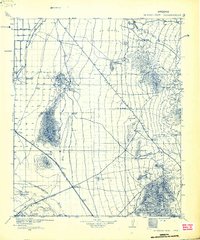 1934 Newman Peak1934 Print · USGSThe Pinal and Pima County line area is captured here in the mid-1930s, showing a desert landscape shaped by mining and the railroad. Researchers can trace the Southern Pacific line through Redrock or locate the Sasco Mine and 96 Ranch.
 - 1947 Map of Cortaro
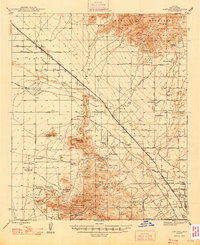 1947 Cortaro1947 Print · USGSPima County in the late 1940s showcases a desert landscape of ranching, mining, and expanding aviation infrastructure. Trace family ranching roots at Oasis Ranch or explore early aviation at the U S Army Landing Field and Silver Bell Airport.
 - 1947 Map of Red Rock
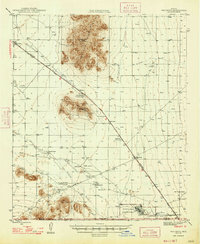 1947 Red Rock1947 Print · USGSSouthern Arizona’s desert floor and jagged peaks come into focus just after the war, showing a landscape shaped by military aviation and cattle ranching. Genealogists and historians can locate the Old Sasco Ruins, the Sasco Cem, and local landmarks like Thompson Dairy.2 unique versions available
 - 1956 Map of Tucson, 1967 Print
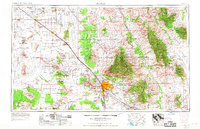 1956 Tucson1967 Print · USGSPost-war Southern Arizona comes into focus as the copper and aviation industries expand around Tucson. Trace family roots in South Tucson or locate early mining sites like the San Manuel Mine and Silver Bell Mine near the Santa Cruz River.3 unique versions available
 - 1957 Map of Cortaro, 1959 Print
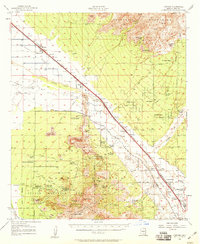 1957 Cortaro1959 Print · USGSThe Santa Cruz Valley in the late fifties shows a landscape of developing irrigation and cattle ranching between mountain ranges. Genealogists and historians can trace family-named properties like T-Bench-Bar Ranch, local mining at Gila Monster Mine, and early school sites such as Laguna School.2 unique versions available
 - 1958 Map of Tucson
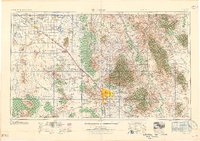 1958 Tucson1958 Print · USGSSouthern Arizona in the late fifties reveals a landscape of desert agriculture and rising military aviation. Trace the rail lines of the Southern Pacific or locate the historic San Xavier Del Bac Mission and the Casa Grande Natl Mon.
 - 1959 Map of Tucson
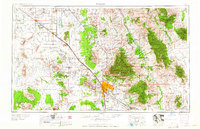 1959 Tucson1959 Print · USGSSouthern Arizona in the late fifties shows a landscape of military growth and desert industry. Genealogists and historians can trace the footprint of Davis-Monthan Air Force Base and old mining sites like the San Manuel Mine near Mammoth.2 unique versions available
 - 1959 Map of Tortolita Mts, 1960 Print
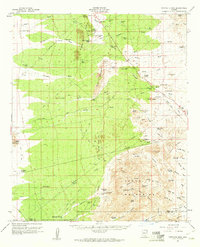 1959 Tortolita Mts1960 Print · USGSThe Pinal and Pima County borderlands come alive in this mid-century survey of desert ranching and mountain terrain. Researchers can trace historic family-named properties like Eberhardt Ranch and Davis Ranch, or locate landmarks such as the Boy Scout Camp and Sutton Well.4 unique versions available
 - 1959 Map of Silver Bell Peak, 1961 Print
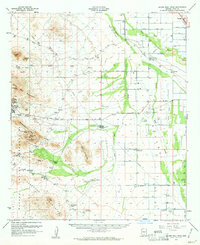 1959 Silver Bell Peak1961 Print · USGSThe Pima County desert landscape is captured here in the late fifties, during a period of active copper mining and valley agriculture. Trace the mining history at the Silver Bell townsite and locate family landmarks like Lords Ranch or the Indiana-Arizona Mine.3 unique versions available
 - 1962 Map of Tucson
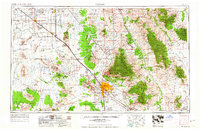 1962 Tucson1962 Print · USGSSouthern Arizona in the early sixties showcases a landscape defined by burgeoning desert cities and massive military installations. Researchers can trace tribal settlements like Schuchk, legacy mining sites at Silver Bell Mine, and the early footprint of Davis-Monthan Air Force Base.
 - 1963 Map of Red Rock, 1965 Print
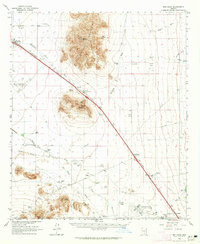 1963 Red Rock1965 Print · USGSArizona's Sonoran Desert landscape comes into focus during the early sixties, showing a corridor of growth along the railroad. Genealogists and historians can trace family-named sites like La Osa Ranch, Meeks Ranch, and the Aguirre Ranch.3 unique versions available
 - 1964 Map of Tucson
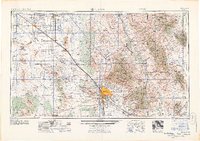 1964 Tucson1964 Print · USGSSouthern Arizona in the mid-1960s shows a landscape of burgeoning desert cities and industrial-scale copper mining. Researchers can trace the development of Tucson and its outlying mining districts, including the Silver Bell Mine and San Manuel Mine.
 - 1967 Map of Marana, 1969 Print
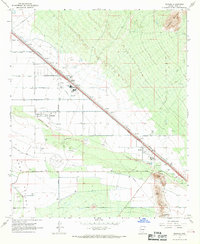 1967 Marana1969 Print · USGSMarana and the Avra Valley are captured in the late sixties during a period of steady agricultural and rail development. Researchers can locate family landmarks such as Marana High Sch, the Marana (Siding), and the small community of Rillito along the river.4 unique versions available
 - 1968 Map of Jaynes, 1969 Print
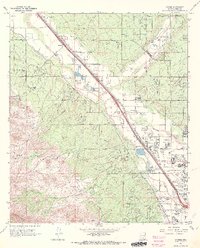 1968 Jaynes1969 Print · USGSNorthwest of Tucson in the late sixties, the desert landscape was transitioning from a ranching economy to suburban growth. Researchers can trace the original footprints of Sahuaro Ranch, find the Yuma Mine in the foothills, or locate the Freeway Airport and Stockham along the railroad.4 unique versions available
 - 1968 Map of Ruelas Canyon, 1969 Print
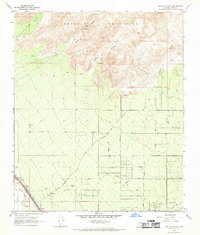 1968 Ruelas Canyon1969 Print · USGSArizona's desert ranching culture meets the expanding road networks of Pima County in the late sixties. Genealogists and historians can trace family-named properties like Jurko Ranch and Oasis Ranch or follow the Southern Pacific railroad along the Santa Cruz River.3 unique versions available
 - 1968 Map of Avra, 1969 Print
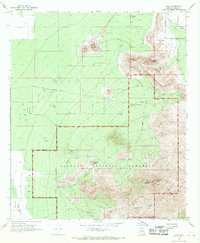 1968 Avra1969 Print · USGSArizona's Tucson Mountains meet the desert floor in the late sixties, showing a landscape shared by working ranches and conservation lands. Trace historical mining operations at the Gould Mine or locate early recreation sites like the Signal Hill Picnic Area.3 unique versions available
 - 1980 Map of Red Rock, 1981 Print
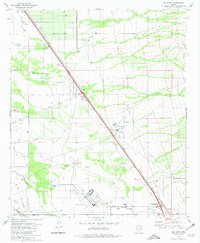 1980 Red Rock1981 Print · USGSThe Pinal and Pima county line in the early 1980s shows a landscape of desert ranching and industrial growth. Genealogists and historians can trace the Southern Pacific line through Red Rock and the extensive Marana Air Park near Meeks Ranch.2 unique versions available
 - 1988 Map of Desert Peak, 1989 Print
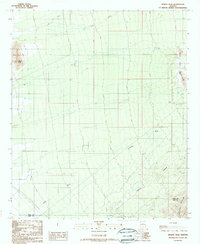 1988 Desert Peak1989 Print · USGSThe arid landscape at the Pinal and Pima county line is mapped here in the late eighties, showing a terrain of cattle ranching and mining. Trace old 4WD tracks past Desert Peak to find remote prospect sites and the Owl Head Buttes.2 unique versions available
 - 1988 Map of Tortolita Mountains, 1989 Print
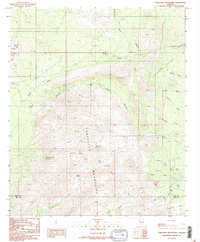 1988 Tortolita Mountains1989 Print · USGSThe Pinal and Pima County line in the late eighties reveals a rugged desert interior shaped by the Tortolita Mountains. Researchers can trace old mining and ranching infrastructure through isolated Mine Shafts, Riddle Windmill, and Bass Spring.2 unique versions available
 - 1989 Map of West of Marana
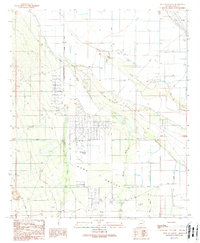 1989 West of Marana1989 Print · USGSThe Avra Valley comes into focus during the late 1980s as rural development and desert water management shaped this Pima County landscape. Genealogists and local historians can trace the foundations of the community near Avra Valley School or follow the paths of Silver Bell Road and the Santa Cruz River.
 - 1992 Map of Jaynes, 1995 Print
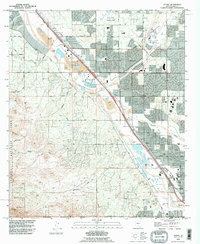 1992 Jaynes1995 Print · USGSNorthwest Tucson in the early nineties shows a desert landscape transitioning into a suburban hub along the Santa Cruz River. Trace the old Southern Pacific rail line past the Gila Monster Mine and the historic Cortaro Farms.
 - 1992 Map of Ruelas Canyon, 1995 Print
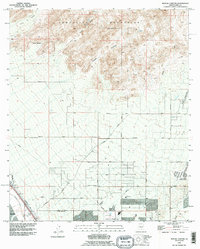 1992 Ruelas Canyon1995 Print · USGSThe Pima County desert as it appeared in the early nineties shows the growing suburbs of Maraña meeting the rugged Tortolita Mountains. Local historians can trace old landmarks like the Cem near the Santa Cruz River and the rural Landing Strip out by Canada del Oro.
 - 1992 Map of Marana, 1995 Print
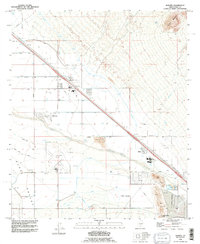 1992 Marana1995 Print · USGSAgricultural and desert life in Pima County converge in the early nineties, where the Santa Cruz River meets the town of Marana. Researchers can trace old rail sidings, irrigation Siphons, and landmarks like Rillito and the Avra Valley Airport.
 - 1992 Map of Avra, 1995 Print
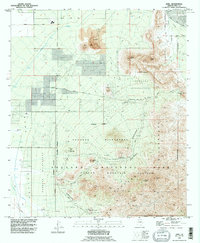 1992 Avra1995 Print · USGSThe desert lowlands of the Avra Valley meet the rising peaks of the Tucson Mountain Section in the early 1990s. Researchers can locate historic mining sites like the Gould Mine, several namesake picnic areas, and prominent landmarks such as Wasson Peak.
Showing maps 1-25 of 67
Top cities near Marana
- Tucson historical maps
- Oro Valley historical maps
- Picture Rocks historical maps
- South Tucson historical maps
- Avra Valley historical maps
- Red Rock historical maps
See more
Top neighborhoods of Marana
Frequently asked questions
- What are the different types of historical maps available for Marana?
- What is the oldest map of Marana?
- Where can I purchase historical maps of Marana for my home or office?
- Where can I download high-res historical maps of Marana?
- Are there historical topographic maps available for Marana?
- Is there historical aerial imagery available for Marana?
- Where are historical maps of Marana sourced from?