Old Maps of Sonoita, Arizona
Explore 46 old maps of Sonoita, spanning from 1904 to today. These high-resolution historic maps reveal how streets, neighborhoods, landmarks, and natural features evolved over time — perfect for genealogy, metal detecting, research, and local history exploration.
What you can do with these maps:
- See how Sonoita changed over time: Compare historical maps to modern-day views to trace roads, homesites, rail lines & more.
- View detailed metadata: Each map includes creators, publishers, year, scale, and archive source.
- Overlay maps with satellite & LiDAR: Visualize the past alongside modern tools to explore terrain & human change.
- Trusted historical sources: Maps sourced from the USGS, Library of Congress, and other archives.
- Access maps your way: View online, download high-res files, or order prints for personal or research use.
Start exploring old maps of Sonoita to uncover forgotten places, hidden landmarks, and the deep history beneath your feet.
Sonoita, AZ maps
(46)- 1904 Map of Patagonia, 1955 Print
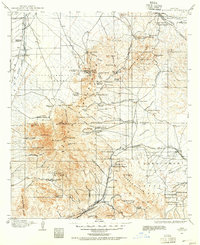 1904 Patagonia1955 Print · USGSArizona's mining and ranching frontiers are at their peak in this early century survey of the Santa Rita Mountains. Genealogists and historians can trace family operations at the Empire Ranch or the Total Wreck Mine, and locate the site of Old Ft Crittenden.
 - 1905 Map of Patagonia
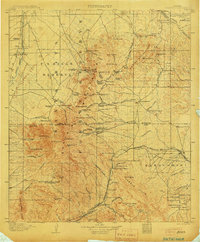 1905 Patagonia1905 Print · USGSSouthern Arizona’s mining and ranching frontier is captured here at the start of the twentieth century. Genealogists and historians can trace numerous family homesteads and active mining sites, from Empire Ranch and Helvetia to the curiously named Total Wreck Mine.4 unique versions available
 - 1922 Map of Agus Caliente
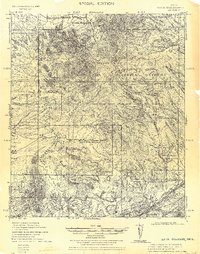 1922 Agus Caliente1922 Print · USGSThe Santa Rita Mountains of Southern Arizona appear here in the early twenties during a period of active mountain mining and ranching. Genealogists and historians can trace family sites like Wise's Ranch or find old operations at the Mansfield Mines and Montosa Mill.
 - 1932 Map of Elgin
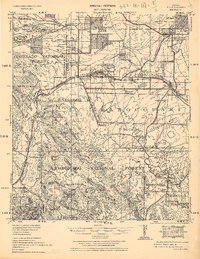 1932 Elgin1932 Print · USGSSanta Cruz County ranching culture is on full display in the early 1930s as the Southern Pacific rail line winds through the high desert. Genealogists can trace family landmarks like Gardner's Ranch and Turner-Bower Ranch or locate the site of Old Ft Crittenden.
 - 1940 Map of Elgin
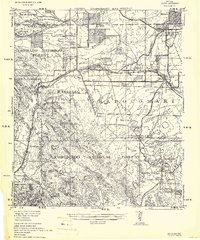 1940 Elgin1940 Print · USGSSoutheastern Arizona ranching country is shown here just before the mid-century, where the Southern Pacific railroad connects remote desert outposts. Researchers can locate early family homesteads like Gardner's Ranch and Rodgers Ranch alongside the historic site of Old Ft. Crittenden.
 - 1947 Map of Elgin, 1953 Print
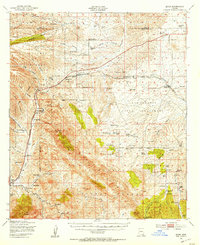 1947 Elgin1953 Print · USGSSanta Cruz and Pima Counties are seen here in the late 1940s as a landscape of sprawling cattle ranches and historic frontier outposts. Genealogists and historians can locate family landmarks like Hacienda Los Encinos alongside the Old Fort Buchanan Ruins and Dunham Mine.2 unique versions available
 - 1948 Map of Elgin, 1953 Print
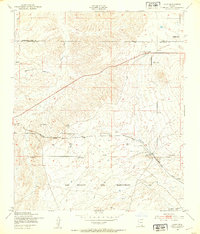 1948 Elgin1953 Print · USGSCattle ranching and the railroad defined this corner of Santa Cruz County in the late 1940s. Genealogists and historians can trace family landholdings like Heavner Ranch and Collie Ranch along the Southern Pacific tracks near Elgin.
 - 1948 Map of Sonoita, 1953 Print
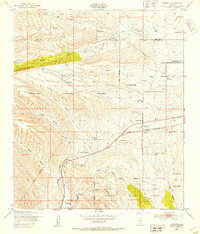 1948 Sonoita1953 Print · USGSSouthern Arizona ranching and rail life are captured here in the late 1940s, centered on the Sonoita crossroads. Researchers can trace historic family holdings such as Hacienda Los Encinos Ranch and Wilson Ranch, or locate the ruins of Old Fort Crittenden.
 - 1948 Map of O'Donnell Canyon, 1953 Print
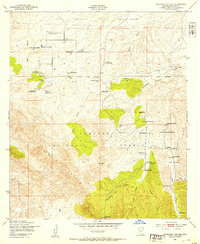 1948 O'Donnell Canyon1953 Print · USGSSanta Cruz County ranching culture and forest management are at the forefront of this late-forties survey. Researchers can trace family-named homesteads like Graham Ranch and Hale Ranch or locate the Canelo Sch and Black Oak Cem.
 - 1948 Map of Mt. Hughes, 1953 Print
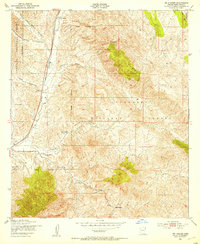 1948 Mt. Hughes1953 Print · USGSArizona ranching and railroading define this Santa Cruz County landscape in the late 1940s. Genealogists and historians can trace family operations at Harmon Ranch and Turner Ranch or locate the old Southern Pacific siding at Crittenden.
 - 1956 Map of Nogales, 1963 Print
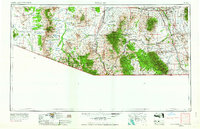 1956 Nogales1963 Print · USGSSouthern Arizona in the mid-fifties is captured here from the Papago tribal lands to the San Pedro valley. Genealogists and historians can trace border settlements like Sasabe, the legacy of Tombstone, and old mining sites including the Mary G Mine.4 unique versions available
 - 1958 Map of Nogales
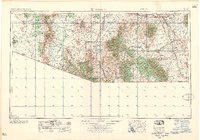 1958 Nogales1958 Print · USGSSouthern Arizona in the late fifties was a landscape of international borders and high-desert outposts, dominated by the Huachuca Mountains and the Papago Indian Reservation. Local historians can trace old mining camps like Ruby and Greaterville or locate historic military grounds at the Fort Huachuca Military Reservation.
 - 1958 Map of Elgin, 1959 Print
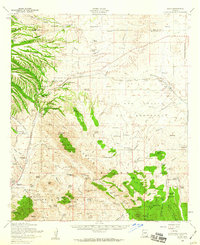 1958 Elgin1959 Print · USGSSanta Cruz County ranching and military history are preserved here in the late fifties, from the Southern Pacific rails to the San Ignacio del Babocomari grant. Trace family ranch sites and historical markers like Fort Buchanan and the Black Oak Cemetery.3 unique versions available
 - 1958 Map of Sonoita, 1959 Print
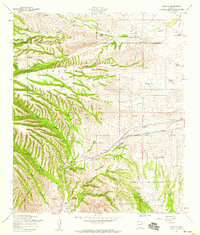 1958 Sonoita1959 Print · USGSSanta Cruz County ranching and military history are preserved here as the area appeared in the late fifties. Researchers can locate the historic grounds of Fort Crittenden, trace the Southern Pacific railroad, or identify family holdings like the Rail X Ranch and Hacienda Los Encinos.5 unique versions available
 - 1958 Map of Mount Wrightson, 1959 Print
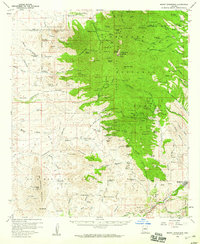 1958 Mount Wrightson1959 Print · USGSThe high peaks and mining districts of the Santa Cruz area are captured in the late fifties, featuring the towering Mt Wrightson and the Grosvenor Hills. Genealogists and historians can trace old homesteads like Salero Ranch and active workings including the Glove Mine and Montosa Mine.4 unique versions available
 - 1958 Map of Elgin, 1959 Print
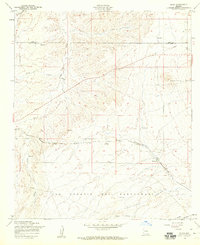 1958 Elgin1959 Print · USGSElgin sits at the intersection of rail and river in the late fifties, where the high desert meets the foothills. Genealogists and local historians can trace the Southern Pacific tracks, find the Fruitland Cemetery, and locate the Cemetery east of Elgin.4 unique versions available
 - 1958 Map of Mt. Hughes, 1960 Print
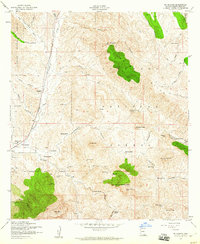 1958 Mt. Hughes1960 Print · USGSThe Patagonia region during the late 1950s shows a landscape of active ranching and historical mining interests along the Southern Pacific line. Genealogists and researchers can locate family-named landmarks like Stevens Ranch and the Gatlin Cemetery or trace old mining claims at the Aztec Group Mines.3 unique versions available
 - 1958 Map of O'Donnell Canyon, 1960 Print
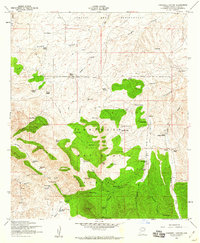 1958 O'Donnell Canyon1960 Print · USGSSanta Cruz County rangeland and the Coronado National Forest are captured here in the late fifties. Genealogists and researchers can trace family-named homesteads such as Ewing Ranch and Frazier Ranch, or locate the Canille School and Black Oak Cemetery.3 unique versions available
 - 1959 Map of Nogales
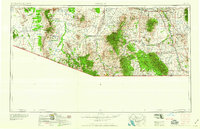 1959 Nogales1959 Print · USGSThe Southern Arizona borderlands appear in the late fifties as a complex landscape of military ranges, tribal lands, and high-desert mining towns. Local historians can trace the Southern Pacific rail lines connecting Tombstone and Benson or locate family ranches such as Canoa Ranch.
 - 1981 Map of Mt. Wrightson
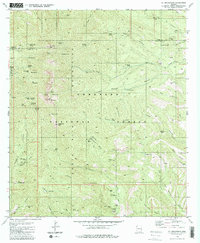 1981 Mt. Wrightson1981 Print · USGSThe Santa Rita Mountains of the early eighties are mapped here in detail, showcasing a rugged mining and recreation landscape. Researchers can trace the legacy of mineral claims at the Florida Mine, explore the heights of Mt Wrightson, or locate subterranean features like Onyx Cave.2 unique versions available
 - 1994 Map of Fort Huachuca
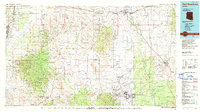 1994 Fort Huachuca1994 Print · USGSSouthern Arizona in the mid-nineties shows a landscape of expansive military reservations, historic land grants, and storied mining districts. Researchers can trace the S P RR through the San Pedro River valley or locate dozens of remote mountain workings like the Montezuma Mine and Eureka Mine.3 unique versions available
 - 1996 Map of Mount Hughes, 2002 Print
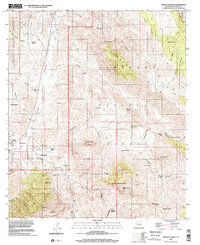 1996 Mount Hughes2002 Print · USGSNear the turn of the millennium, this portion of Santa Cruz County maintains its character as a rugged intersection of ranching and historical mining. Genealogists and researchers can trace the locations of the Crittenden (Site), the Santa Cruz Mine, and family-held lands like Bergier Ranch.2 unique versions available
 - 1996 Map of O'Donnell Canyon, 2002 Print
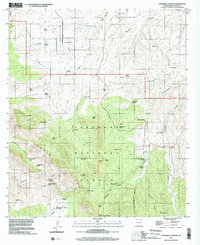 1996 O'Donnell Canyon2002 Print · USGSSoutheastern Arizona's ranching and mining heartland is captured here in the mid-1990s, where the high desert meets the Canelo Hills. Researchers can trace family ranch sites like Canelo Hills Ranch, locate the La Plata Mine, and find local landmarks such as the Canelo Ranger Station.
 - 1996 Map of Sonoita, 2002 Print
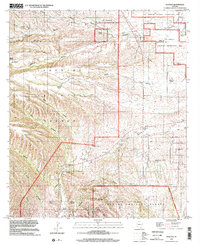 1996 Sonoita2002 Print · USGSSouthern Arizona ranching country and military history converge here in the late twentieth century near the Santa Cruz and Pima county line. Researchers can trace the heritage of the Crown C Ranch and locate the historic Fort Crittenden and Fort Buchanan sites.
 - 1996 Map of Mount Wrightson, 2002 Print
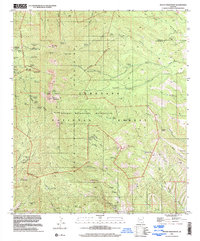 1996 Mount Wrightson2002 Print · USGSThe Santa Rita Mountains and the high peaks of the Mount Wrightson Wilderness are shown here in the mid-1990s. Researchers can locate numerous historical extraction sites like the Silver King Mine, Wildcat Mine, and Philadelphia Mine tucked into the steep canyons.
Showing maps 1-25 of 46
Top cities near Sonoita
Top neighborhoods of Sonoita
Frequently asked questions
- What are the different types of historical maps available for Sonoita?
- What is the oldest map of Sonoita?
- Where can I purchase historical maps of Sonoita for my home or office?
- Where can I download high-res historical maps of Sonoita?
- Are there historical topographic maps available for Sonoita?
- Is there historical aerial imagery available for Sonoita?
- Where are historical maps of Sonoita sourced from?