2000s (21st Century) Maps of Wilkin County, Minnesota
Explore 120 historic maps of Wilkin County from the 2000s (21st Century). These maps offer a rare glimpse into what life looked like during the 2000s — showing old roads, neighborhoods, homes, and landmarks that have changed or disappeared over time.
Whether you're researching your family's past, planning a metal detecting trip, or studying how Wilkin County's landscape evolved across the 2000s, these high-resolution maps are a powerful tool for exploring the history of this region.
- Focus on a specific era: All maps on this page are from the 2000s, giving you a focused view of this time period.
- See what’s changed: Compare century-old streets, trails, and buildings to today's modern landscape using overlays and satellite layers.
- Research with precision: Use these maps for genealogy, historical research, land use analysis, or educational projects.
- View, download, or print: Maps are fully viewable online in high resolution, and can be downloaded or printed for your own records.
Start exploring Wilkin County's history through authentic maps from the 2000s. This is your window into the past.
Wilkin County, MN maps
(120)- 2010 Map of Baker, 2010 Print
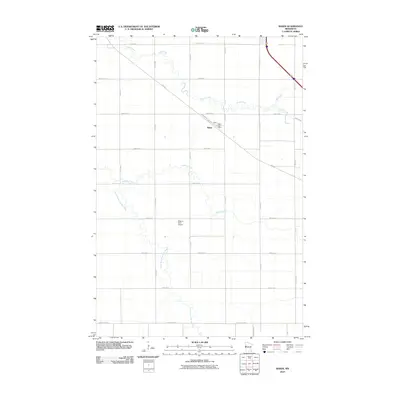 2010 Baker2010 Print · USGSThe rural landscape of Clay County is shown here in the early twenty-first century, centered on the small community of Baker. Researchers can trace the winding course of the South Branch Buffalo River and locate local landmarks like the Baker Post Office and Wagner Farm Airport.
 - 2010 Map of Doran, 2010 Print
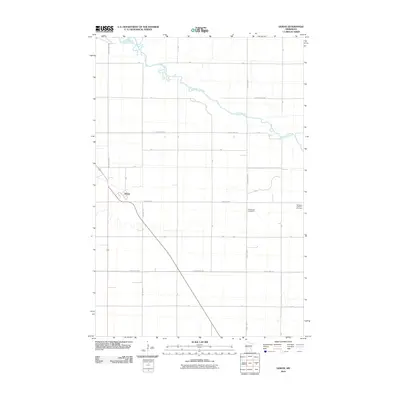 2010 Doran2010 Print · USGSThe Wilkin County agricultural landscape and the winding Otter Tail River are captured here during the early twenty-first century. Researchers can locate the small community of Doran and trace local family histories at Sticklestad Cemetery.
 - 2010 Map of Big Slough, 2010 Print
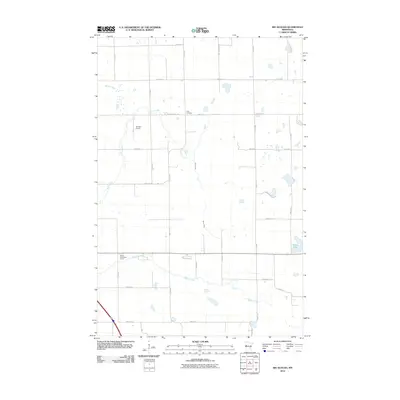 2010 Big Slough2010 Print · USGSClay County near the turn of the millennium shows a landscape defined by its prairie drainages and structured agricultural grid. Researchers can trace the layout of family lands around Gran Cemetery or locate landmarks like Janssen Airport and Solem Lake.
 - 2010 Map of Barnesville, 2010 Print
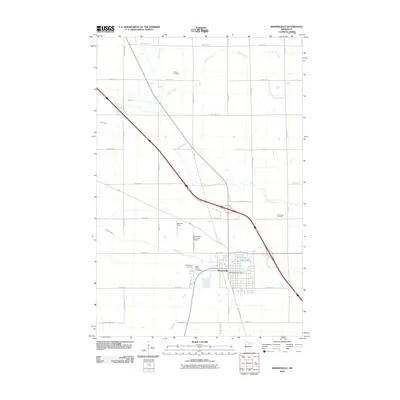 2010 Barnesville2010 Print · USGSBarnesville and its surrounding prairie landscapes are captured here at the start of the decade, showing the town's established grid and cemetery network. Genealogists can locate family sites like Elkton Cemetery or Norwegian Cemetery, while tracing the waters of Whisky Creek.
 - 2010 Map of Barnesville SW, 2010 Print
 2010 Barnesville SW2010 Print · USGSWilkin County's agricultural heartland is documented here at the turn of the twenty-first century, showing a landscape defined by drainage and distance. Researchers can locate the Braton School site and trace the winding paths of Deerhorn Creek and the South Branch Buffalo River.
 - 2010 Map of Wolverton SE, 2010 Print
 2010 Wolverton SE2010 Print · USGSWilkin County's agricultural grid and the winding South Branch Buffalo River are documented here during the early 2000s. Researchers can locate family landmarks such as Deerhorn Cemetery and the settlement at Nord Field.
 - 2010 Map of Comstock, 2010 Print
 2010 Comstock2010 Print · USGSClay County's rural prairie landscape is captured here in the early twenty-first century, showing the small agricultural hubs and waterways of the Red River Valley. Genealogists and local historians can locate the Comstock Post Office, Comstock Cemetery, and the Ottertail River Dam.
 - 2010 Map of Campbell, 2010 Print
 2010 Campbell2010 Print · USGSAgricultural life in Wilkin County at the start of the 2010s is defined by the rural grid and the winding Rabbit River. Genealogists and local historians can trace the streets of Campbell and the small settlement of Tenney near the Campbell Post Office.
 - 2010 Map of Foxhome, 2010 Print
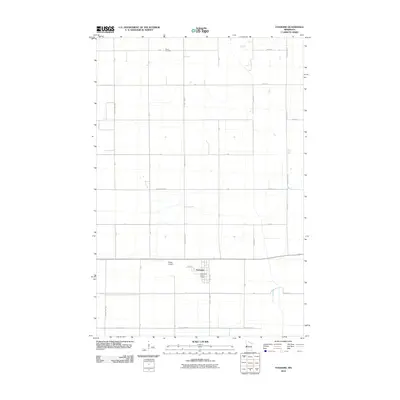 2010 Foxhome2010 Print · USGSThe village of Foxhome and its surrounding farmsteads are captured in detail during the early 21st century. Researchers can trace local landmarks like Burau Cemetery, the Foxhome Post Office, and Knapp Airport along the county road network.
 - 2010 Map of Tintah, 2010 Print
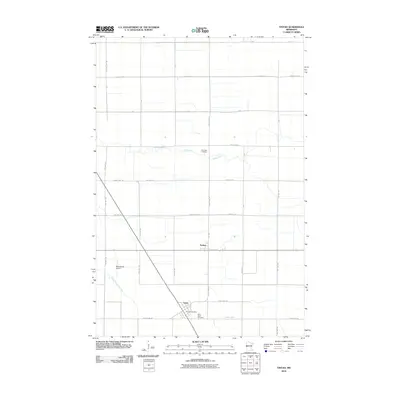 2010 Tintah2010 Print · USGSIn the fertile prairie of Traverse County during the early twenty-first century, the small villages of Tintah and Nashua anchor a vast agricultural grid. Researchers can trace local landmarks like the Tintah Post Office, Saint Galls Cemetery, and the winding Rabbit River.
 - 2010 Map of Rothsay NW, 2010 Print
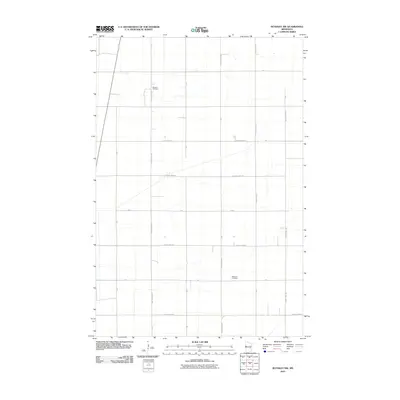 2010 Rothsay NW2010 Print · USGSWilkin County in the early twenty-first century remains a landscape of vast agricultural grids and quiet rural corners. Genealogists and local historians can locate legacy landmarks including Manston Cemetery, Meadows Cemetery, and a network of township roads like T-250.
 - 2010 Map of Everdell, 2010 Print
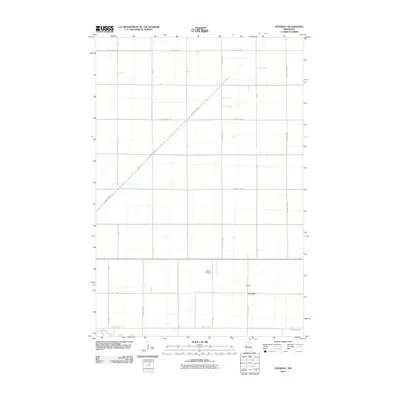 2010 Everdell2010 Print · USGSWilkin County agriculture and river-driven geography are clear in this modern survey of the Everdell area. Researchers can trace the section lines and rural road networks surrounding the Everdell settlement, the winding Otter Tail River, and the Yaggie Airport.
 - 2010 Map of Wahpeton NE, 2010 Print
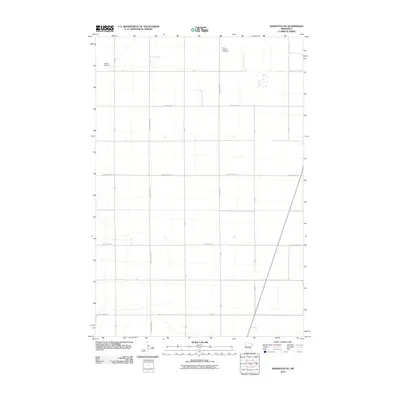 2010 Wahpeton NE2010 Print · USGSWilkin County's agricultural heartland is captured here in the early twenty-first century, showcasing the sprawling grid of prairie roads. Local researchers can locate family sites near Mitchell Cemetery or trace the routes of County Hwy-11 and County Hwy-26.
 - 2010 Map of Campbell NE, 2010 Print
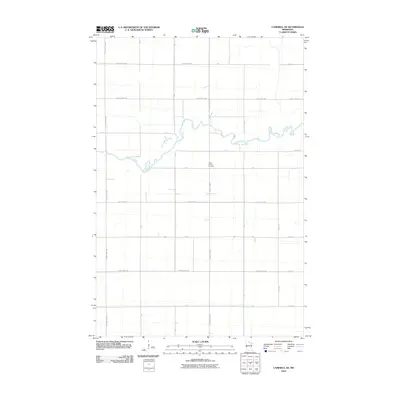 2010 Campbell NE2010 Print · USGSOtter Tail County agricultural lands are captured here at the start of the 2010s, bisected by the wandering path of the Otter Tail River. Researchers can locate family sites near the Vukku Church Cemetery or trace the rural road network including County Hwy-169 and County Hwy-8.
 - 2010 Map of Rothsay, 2010 Print
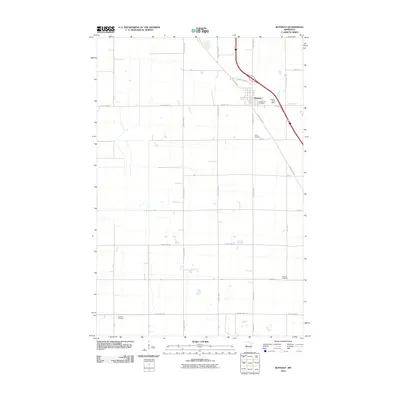 2010 Rothsay2010 Print · USGSThe community of Rothsay and its surrounding prairie townships are captured here at the start of the 2010s. Local researchers can trace family plots across Our Saviors Cemetery, German Cemetery, and the Rothsay Cemetery.
 - 2010 Map of Lawndale, 2010 Print
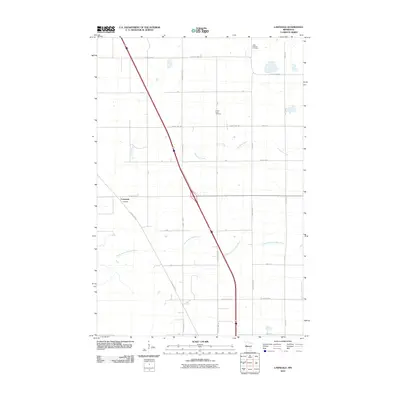 2010 Lawndale2010 Print · USGSWilkin County's agricultural heartland is documented here in the early twenty-first century, centered on the rural community of Lawndale. Genealogists and historians can locate family burial sites at Little Bethany Cemetery and Prairie View Cemetery near the banks of Deerhorn Creek.
 - 2011 Map of Wahpeton, 2011 Print
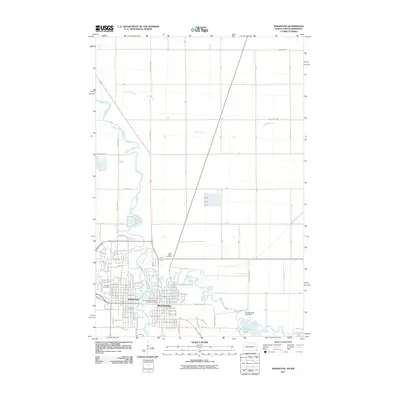 2011 Wahpeton2011 Print · USGSThe Red River Valley at the North Dakota-Minnesota border is captured here at a time of established river management and agricultural precision. Trace family connections at Saint Marys Cemetery, locate the Breckenridge Post Office, or follow the winding Red River of the North.
 - 2011 Map of Hickson, 2011 Print
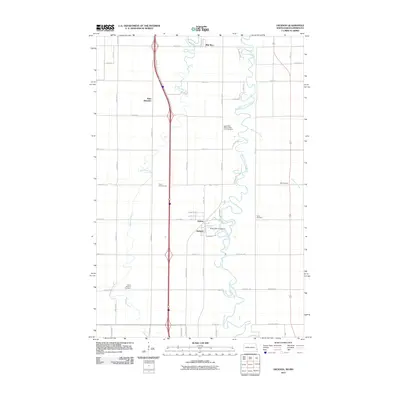 2011 Hickson2011 Print · USGSThe Red River Valley's winding path south of Fargo is captured here just over a decade ago. Genealogists and local historians can trace the positions of Lower Wild Rice and Red River Cemetery, the village of Hickson, and the riverfront layouts of Oxbow.
 - 2011 Map of Christine, 2011 Print
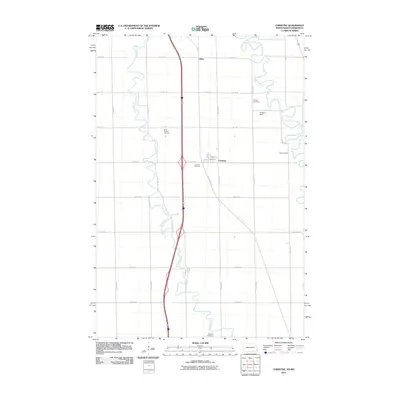 2011 Christine2011 Print · USGSThe Red River Valley's agricultural heritage is on full display here in the early twenty-first century, centered on the community of Christine. Researchers can map out ancestral sites across five burial grounds, including South Pleasant Cemetery, Pioneer Cemetery, and the Christine Dam.
 - 2011 Map of South of Wahpeton, 2011 Print
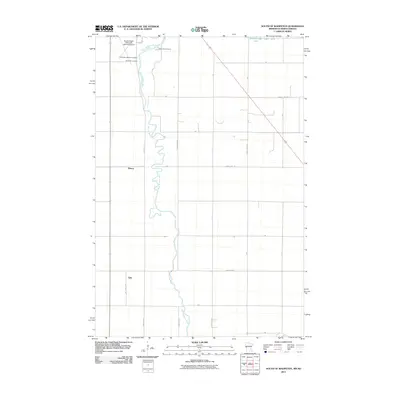 2011 South of Wahpeton2011 Print · USGSRichland County at the turn of the decade is defined by the winding Bois de Sioux River and the agricultural grid of the Red River Valley. Genealogists can trace family names and sites at Bohemian National Cemetery or the rural outposts of Tyler and Elmore.
 - 2011 Map of Abercrombie, 2011 Print
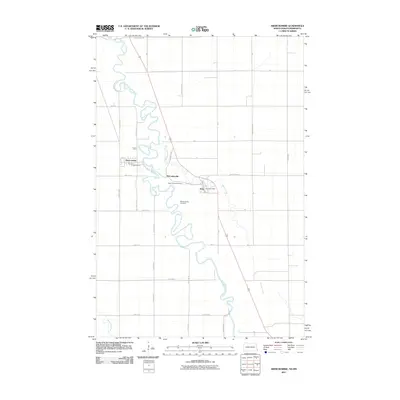 2011 Abercrombie2011 Print · USGSThe North Dakota and Minnesota border comes alive in this 2011 survey of the Red River valley. Genealogists can locate family sites near Saint Thomas Cemetery or McCauleyville Cemetery and trace the small-town streets of Abercrombie and Kent.
 - 2011 Map of Wolverton, 2011 Print
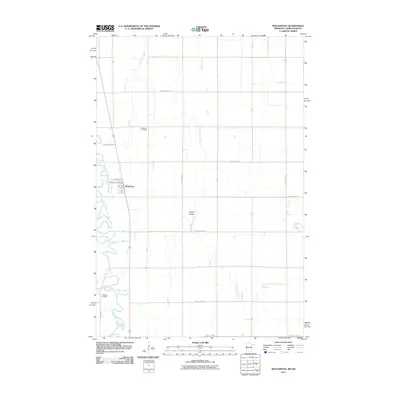 2011 Wolverton2011 Print · USGSThe Red River valley at the turn of the decade is defined by its sweeping oxbows and precise agricultural grid. Genealogists and local historians can trace legacy sites like Schmitt Cemetery, Wolverton Post Office, and the meanders of Wolverton Creek.
 - 2011 Map of Dwight, 2011 Print
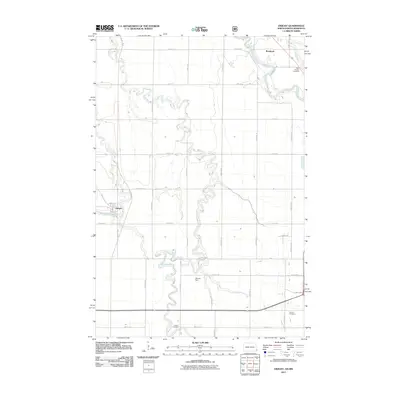 2011 Dwight2011 Print · USGSRichland County at the turn of the decade is defined by the winding paths of the Wild Rice River and Red River of the North. Genealogists and local historians can locate the Saint Josephs Cemetery and Moore Cemetery, or trace the rural landscape around Dwight.
 - 2011 Map of Fairmount, 2011 Print
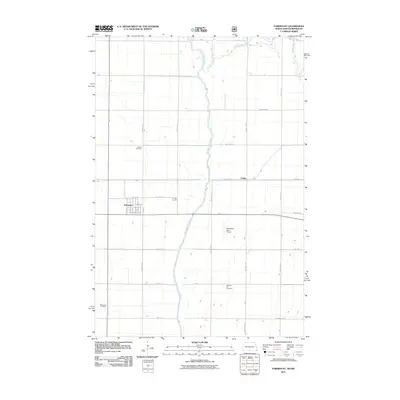 2011 Fairmount2011 Print · USGSFairmount sits at the intersection of prairie agriculture and the North Dakota-Minnesota border during the early twenty-first century. Local researchers can trace family roots at Fairmount Cemetery or explore the river confluence at Rabbit River and Childs.
 - 2013 Map of Campbell, 2013 Print
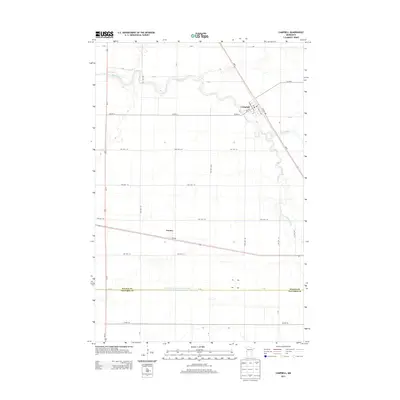 2013 Campbell2013 Print · USGSWilkin and Traverse counties meet in this western Minnesota farming region during the early twenty-first century. Researchers can trace local landmarks like the PO in Campbell, the village of Tenney, and the winding path of the Rabbit River.
Showing maps 1-25 of 120
Top cities of Wilkin County
- Breckenridge historical maps
- Campbell historical maps
- Foxhome historical maps
- Wolverton historical maps
- Kent historical maps
- Nashua historical maps
See more
Frequently asked questions
- What are the different types of historical maps available for Wilkin County?
- What is the oldest map of Wilkin County?
- Where can I purchase historical maps of Wilkin County for my home or office?
- Where can I download high-res historical maps of Wilkin County?
- Are there historical topographic maps available for Wilkin County?
- Is there historical aerial imagery available for Wilkin County?
- Where are historical maps of Wilkin County sourced from?