Old Maps of Gallatin County, Montana for Academic Research
Study the evolution of Gallatin County with 523 high-resolution historic maps. Whether you're teaching, researching, or modeling changes in land use, these maps provide essential visual documentation of urban, environmental, and geographic change.
- Analyze long-term change: Track patterns in development, transportation, and natural features.
- Ideal for environmental or urban studies: Support academic projects with primary historical map data.
- Use in the classroom or lab: Educators and researchers rely on these maps to bring historical context to life.
These maps are a powerful tool for teaching, research, and visualizing how Gallatin County has changed over the decades.
Gallatin County, MT maps
(523)- 1886 Map of Fort Logan
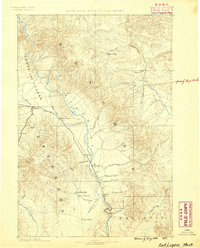 1886 Fort Logan1886 Print · USGSCentral Montana in the mid-1880s was a landscape of military outposts and early mining camps. Researchers can trace the frontier development of Radersburg and Crow Creek City or locate the historic military presence at Ft Logan.5 unique versions available
 - 1886 Map of Little Belt Mts.
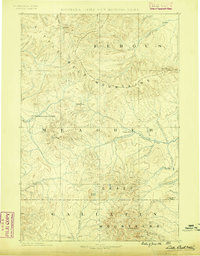 1886 Little Belt Mts.1886 Print · USGSCentral Montana territory during the mid-1880s is captured here, showing the region's early mining camps and ranching hubs. Researchers can trace the early layouts of White Sulphur Spring and Neihart or locate landmarks like Copperopolis and Crazy Peak.
 - 1888 Map of Three Forks
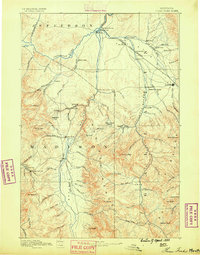 1888 Three Forks1888 Print · USGSSouthwestern Montana was a land of mining camps and river junctions in the late nineteenth century, as the railroad began to connect established valleys. Genealogists can trace family roots through pioneer settlements like Virginia City, Salesville, and Spring Hill, or locate early crossings at Barton's Bridge.
 - 1891 Map of Livingston
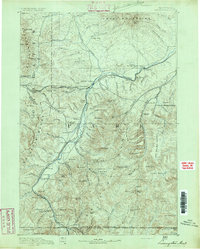 1891 Livingston1891 Print · USGSUpper Yellowstone River country is documented here in the late nineteenth century as the railroad transformed the valley. Genealogists and historians can trace rail-stop towns like Cokedale, the military grounds at Ft. Ellis, and the Old Crow Agency.
 - 1893 Map of Livingston
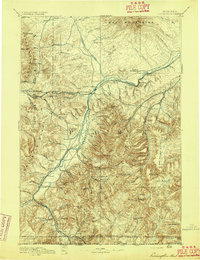 1893 Livingston1893 Print · USGSThe Montana mountain country and the gateway to the national park are captured here in the late nineteenth century. Trace the industrial rail corridor through Livingston to mining sites like Coke and the historic Old Crow Agency.5 unique versions available
 - 1894 Map of Three Forks
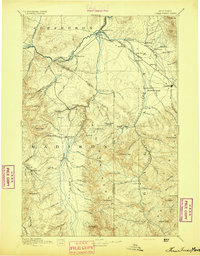 1894 Three Forks1894 Print · USGSSouthwestern Montana thrives along the river forks and rail lines during the mid-1880s. Genealogists and historians can trace early town sites like Pony, Logan, and Salesville while locating river crossings such as Fly's Bridge and Shedds Bridge.
 - 1894 Map of Little Belt Mts.
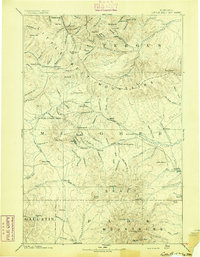 1894 Little Belt Mts.1894 Print · USGSCentral Montana in the late nineteenth century is a land of emerging mining camps and river valley outposts. Historians can trace the early footprints of White Sulphur Spring, the copper prospects at Copperopolis, and the mountain terrain of Neihart.2 unique versions available
 - 1895 Map of Three Forks
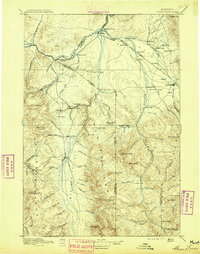 1895 Three Forks1895 Print · USGSSouthern Montana was a landscape of emerging rail towns and gold-country gulches during the mid-1890s. Genealogists and historians can trace the early footprints of Bozeman, locate Guns Ranch, and follow the Northern Pacific Railroad through Three Forks.5 unique versions available
 - 1897 Map of Little Belt Mts.
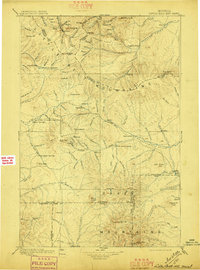 1897 Little Belt Mts.1897 Print · USGSMeagher County and the central Montana high country are captured here in the 1890s, when mining camps and early ranching outposts were first being established. Researchers can trace the early layout of White Sulphur Springs and locate now-quiet sites like the Sapphire Mine or Copperopolis.
 - 1898 Map of Little Belt Mts.
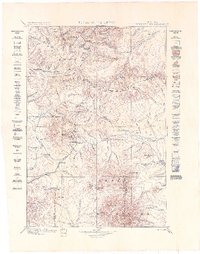 1898 Little Belt Mts.1898 Print · USGSCentral Montana in the late nineteenth century is a landscape of mountain mining camps and early ranching outposts. Genealogists and historians can trace the pioneer footprints of White Sulphur Springs, the operations at Sapphire Mine, and the route of Sixteenmile Creek.
 - 1902 Map of Little Belt Mts.
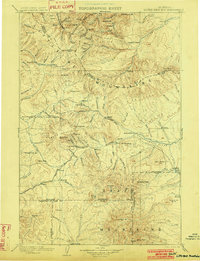 1902 Little Belt Mts.1902 Print · USGSMeagher County at the close of the nineteenth century is a landscape of mountain mining camps and riverside settlements. Researchers can trace early industry and family roots near the Sapphire Mine, the town of White Sulphur Springs, and the camp at Neihart.3 unique versions available
 - 1947 Map of Bozeman, 1948 Print
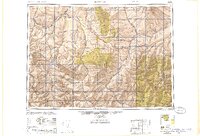 1947 Bozeman1948 Print · USGSBozeman and the surrounding mountain ranges are captured here just after the war, showing the vital rail and river networks of southwestern Montana. Genealogists and historians can trace routes to early settlements like Virginia City, Gallatin Gateway, and the mountain community of Jardine.
 - 1948 Map of Bozeman, 1951 Print
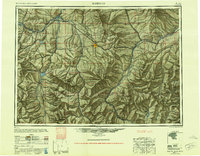 1948 Bozeman1951 Print · USGSSouthern Montana in the late 1940s is shown as a high-country crossroads of rail lines and river headwaters. Genealogists and historians can trace old town sites like Virginia City and McLeod alongside the Northern Pacific and Milwaukee Road railroads.
 - 1948 Map of White Sulphur Springs, 1951 Print
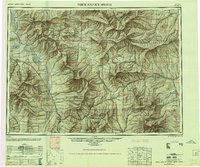 1948 White Sulphur Springs1951 Print · USGSMontana's capital and the high country of the Big Belt Mountains come alive in this mid-century survey. Trace the early hydroelectric developments at Canyon Ferry Dam or follow the historic rail lines through Ringling and Townsend.
 - 1948 Map of Sixteen, 1953 Print
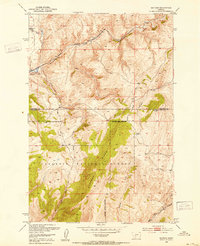 1948 Sixteen1953 Print · USGSThe Gallatin County high country is shown here in the late 1940s as a vital corridor for the Milwaukee Road railroad. Genealogists and historians can trace the isolated settlement of Sixteen and the Robertson Ranch nestled among the peaks of Elkhorn Ridge.3 unique versions available
 - 1949 Map of Anceney, 1953 Print
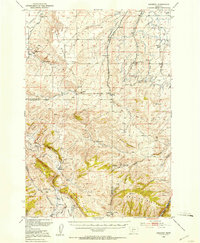 1949 Anceney1953 Print · USGSGallatin County ranching and irrigation are recorded in detail here at the close of the 1940s. Genealogists and historians can locate old landmarks like the Little Holland Cemetery, the Corundum Mine, and the Northern Pacific rail line serving the Anceney settlement.4 unique versions available
 - 1949 Map of Manhattan, 1953 Print
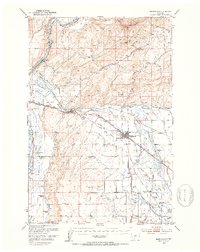 1949 Manhattan1953 Print · USGSThe Gallatin Valley in the late 1940s was a hub of irrigation and rail transport at the headwaters of the Missouri. Genealogists can locate family holdings like the Sinnema Ranch and rural landmarks such as the Heeb School and Church Hill Church.4 unique versions available
 - 1949 Map of Maudlow, 1954 Print
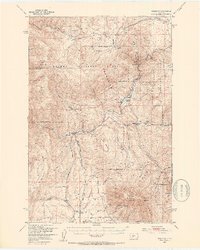 1949 Maudlow1954 Print · USGSGallatin County ranching and railroad life are preserved here in the late 1940s as the high peaks meet the rail lines. Genealogists and historians can trace family landmarks like the Morgan Cemetery, Francis School, and the remote settlement of Maudlow.4 unique versions available
 - 1949 Map of Norris, 1959 Print
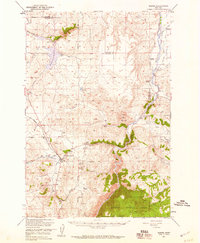 1949 Norris1959 Print · USGSMadison and Gallatin counties met at the river in the post-war years, where high-country ranching and mining legacies shaped the land. Researchers can locate the Red Bluff Cem, inactive gold-era sites like Boaz Mine, and the Cherry Creek School.2 unique versions available
 - 1949 Map of Toston, 1970 Print
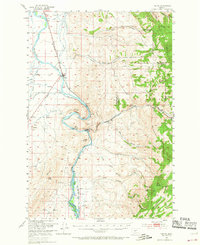 1949 Toston1970 Print · USGSMid-century Broadwater County is centered here on the Missouri River and its critical rail junctions. Researchers can trace the industrial footprint of the Milwaukee Road, locate the Crane School, or find the abandoned Coke Oven at Lombard.
 - 1950 Map of Three Forks, 1953 Print
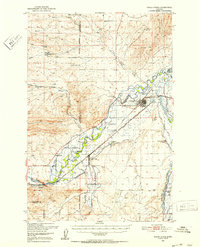 1950 Three Forks1953 Print · USGSThree Forks and the surrounding Gallatin Valley are captured here just after the war, showing the historic meeting of the rivers that form the Missouri. Genealogists and historians can trace the foundations of this ranching community through the Jefferson Sch, Fairview Cem, and the Climbing Arrow Ranch.4 unique versions available
 - 1950 Map of Belgrade, 1953 Print
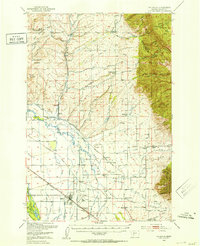 1950 Belgrade1953 Print · USGSGallatin County ranching and rail infrastructure are captured here in the early fifties as the valley modernized. Researchers can locate family roots at the Dry Creek Cem, trace the old Menard Wye, or find the Mountain View School (Aband).6 unique versions available
 - 1950 Map of Hebgen Dam, 1954 Print
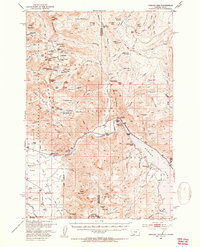 1950 Hebgen Dam1954 Print · USGSThe Madison Range and the high country of the Montana-Idaho border come alive in this mid-century survey. You can trace the ranching and early tourism of the era through sites like Olifee Ranch, Campfire Lodge, and the remote Watkins Creek Ranch airstrip.7 unique versions available
 - 1950 Map of Spanish Peaks, 1954 Print
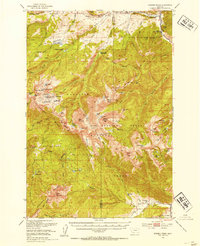 1950 Spanish Peaks1954 Print · USGSThe Madison Range high country comes into focus in this early 1950s survey of the Gallatin and Beaverhead National Forests. Researchers can locate remote mountain landmarks and early ranch sites like 8K Ranch, Crall Ranch, and the Spanish Creek Ranger Station.4 unique versions available
 - 1950 Map of Sphinx Mountain, 1954 Print
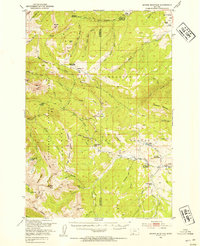 1950 Sphinx Mountain1954 Print · USGSThe high peaks of Madison County and Gallatin County are mapped here in the early postwar era, capturing a landscape of remote ranger stations and historic family ranches. Researchers can locate early forest outposts like Yellow Mule Ranger Sta or trace old backcountry routes such as the Wapiti Trail and Eldridge Trail.4 unique versions available
Showing maps 1-25 of 523
Top cities of Gallatin County
- Bozeman historical maps
- Belgrade historical maps
- Big Sky historical maps
- Three Forks historical maps
- Manhattan historical maps
- West Yellowstone historical maps
See more
Frequently asked questions
- What are the different types of historical maps available for Gallatin County?
- What is the oldest map of Gallatin County?
- Where can I purchase historical maps of Gallatin County for my home or office?
- Where can I download high-res historical maps of Gallatin County?
- Are there historical topographic maps available for Gallatin County?
- Is there historical aerial imagery available for Gallatin County?
- Where are historical maps of Gallatin County sourced from?