Old Maps of Holt County, Nebraska for Metal Detecting
Plan your next treasure hunt with 303 historic maps of Holt County. Find old homesites, ghost towns, trails, and gathering spots that may be lost to time — perfect for identifying promising metal detecting locations.
- Locate forgotten sites: Uncover places like long-lost settlements, abandoned rail lines, or gathering spots.
- Plan better hunts: Use map overlays combined with LiDAR or satellite views to narrow in on historically rich areas.
- Made for detectorists: Thousands of hobbyists use these maps to discover relics, coins, and hidden history.
Use these historic maps to boost your research and find new opportunities beneath the surface of Holt County.
Holt County, NE maps
(303)- 1950 Map of Mariaville
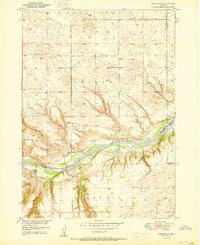 1950 Mariaville1950 Print · USGSThe Niobrara River breaks through the Nebraska sandhills at mid-century, revealing a landscape of remote ranching and rural education. Genealogists and researchers can locate the Mariaville settlement, Simpson Cem, and schools like School No 69.2 unique versions available
 - 1950 Map of Dorsey NW, 1952 Print
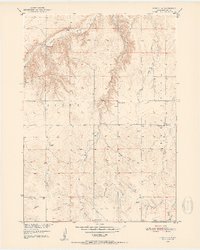 1950 Dorsey NW1952 Print · USGSHolt County, Nebraska, is seen here during the early fifties, showing a rural landscape dominated by dispersed school districts and vital water sources. Researchers can locate specific sites like School No 63 and School No 100 or trace the winding course of Redbird Creek.3 unique versions available
 - 1950 Map of Lynch, 1952 Print
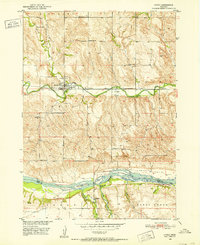 1950 Lynch1952 Print · USGSThe Boyd County panhandle was a landscape of remote farmsteads and rail-fed towns in the early 1950s. Genealogists can locate several rural schoolhouses like School No 63 and cemeteries such as Highland Cemetery along the Chicago and North Western line.3 unique versions available
 - 1950 Map of Monowi, 1973 Print
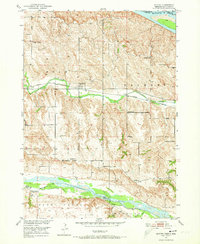 1950 Monowi1973 Print · USGSNortheastern Nebraska is captured in the mid-1950s at the meeting of the Missouri River and Niobrara River. Genealogists and local historians can locate family sites among numerous rural landmarks like Alford Cem, Monowi, and Masdon Sch.
 - 1951 Map of Butte NW
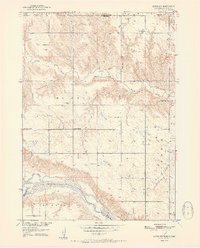 1951 Butte NW1951 Print · USGSBoyd County agriculture and rural life are preserved here at the turn of the 1950s, showing the Nebraska-South Dakota borderlands. Researchers can trace the placement of historic country schoolhouses like School No 49 and School No 3 near the Niobrara River.2 unique versions available
 - 1951 Map of Bristow
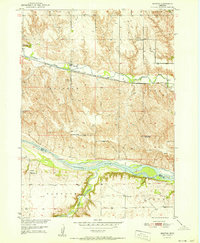 1951 Bristow1951 Print · USGSBoyd and Holt counties meet at the Niobrara River in the early fifties, documenting a landscape of small townships and prairie schools. Genealogists can trace family roots through Bristow Cem, Mission Cem, and rural landmarks like School No 57 or the rail-side village of Bristow.3 unique versions available
 - 1951 Map of Naper
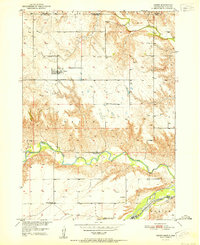 1951 Naper1951 Print · USGSNaper and the Boyd County ranchlands are captured here in the early fifties, showing a rural landscape defined by river valleys and the state line. Researchers can locate several country schoolhouses, from Basin Sch to Point Sch, and the local Knoll Crest Cem.2 unique versions available
 - 1951 Map of Butte SW
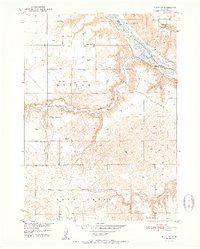 1951 Butte SW1951 Print · USGSHolt County's northern border along the Niobrara River is captured here in the early fifties, showing a rural landscape defined by its creek valleys. Genealogists can locate specific family landmarks like Adams Cem and rural school sites including Prairie Rose Sch and School No 68.2 unique versions available
 - 1951 Map of Dustin
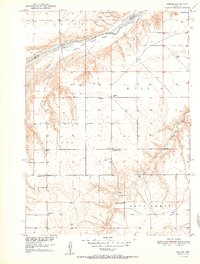 1951 Dustin1951 Print · USGSHolt County and Boyd County are documented here in the early 1950s, showing the rural communities along the Niobrara River. Local history researchers can trace family landmarks like the Cleveland Cem, White Horse Ranch, and several rural schoolhouses including Pleasant Hill Sch.2 unique versions available
 - 1951 Map of Naper SW
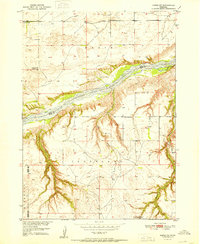 1951 Naper SW1951 Print · USGSHolt County ranching and rural life are preserved here in the early fifties, centering on the canyon-cut lands along the Niobrara River. Genealogists and local historians can trace legacy landholdings like Tienken Ranch and several rural schoolhouses, including School No 51 and the Frost Valley Sch.2 unique versions available
 - 1952 Map of Monowi
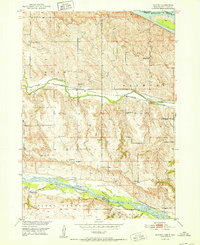 1952 Monowi1952 Print · USGSThe village of Monowi and the surrounding Nebraska-South Dakota borderlands are captured here in the early 1950s. Genealogists can trace family roots through numerous rural landmarks like Beulah Cem, Pleasant Hill Sch, and the Verdel Sch.2 unique versions available
 - 1952 Map of Dorsey
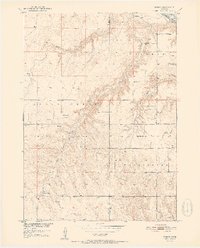 1952 Dorsey1952 Print · USGSThe border of Holt and Knox counties in the early fifties shows a landscape of creek-fed valleys and rural schoolhouses. Genealogists and local historians can locate early burial sites like Star Cemetery or trace the locations of the Old Mill School and the village of Dorsey.2 unique versions available
 - 1952 Map of Spencer South
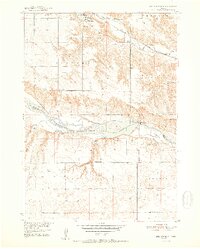 1952 Spencer South1952 Print · USGSBoyd County and the Niobrara River are shown here in the early fifties during the peak of the region's agricultural and hydraulic development. Genealogists and local historians can locate rural schoolhouses and family burial grounds like the Bohemian Cemetery and School No 142 along the Chicago and North Western rail line.2 unique versions available
 - 1952 Map of Butte SE
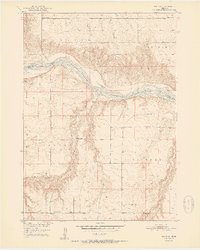 1952 Butte SE1952 Print · USGSHolt and Boyd counties are captured here in the early fifties, where the braided Niobrara River carves through the Nebraska plains. Genealogists can locate rural landmarks like Catalpa and several numbered schoolhouses, including School No 193 (Abandoned).2 unique versions available
 - 1954 Map of Atkinson SE, 1955 Print
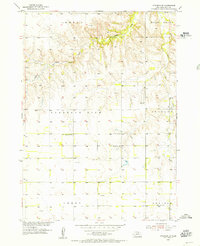 1954 Atkinson SE1955 Print · USGSHolt County's agricultural heartland is documented here in the mid-1950s, showing a landscape of organized townships and essential water infrastructure. Genealogists can locate specific rural school sites like School No 159 and School No 89 near the winding Eagle Creek.
 - 1954 Map of Stuart, 1955 Print
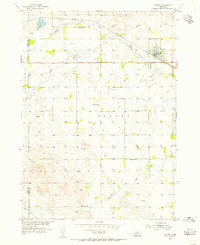 1954 Stuart1955 Print · USGSThe town of Stuart thrives along the CHICAGO AND NORTH WESTERN railroad in the mid-fifties. Genealogists can locate several rural landmarks including School No 70 and School No 183 along the banks of Keegan Creek.2 unique versions available
 - 1954 Map of Atkinson, 1955 Print
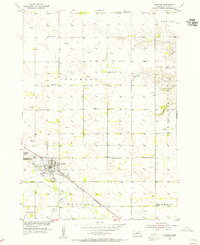 1954 Atkinson1955 Print · USGSAtkinson sits at the intersection of rail and river in the mid-1950s, serving as a vital agricultural and transport hub for Holt County. Genealogists can locate family-named townships and numerous rural schoolhouses, including School No 180 and School No 155.
 - 1954 Map of Stuart SE, 1955 Print
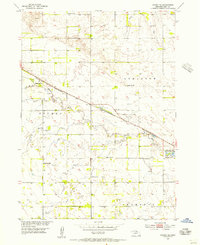 1954 Stuart SE1955 Print · USGSHolt County's rural landscape is captured here in the mid-fifties, dominated by the winding course of the Elkhorn River. Researchers can trace the locations of rural schoolhouses like School No 72 and early regional transit at the Stuart Atkinson Airport.
 - 1954 Map of Stuart NW, 1956 Print
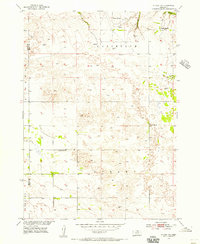 1954 Stuart NW1956 Print · USGSHolt and Rock counties are captured here in the mid-1950s, showing a remote ranching landscape defined by the drainage of Beaver Creek. Genealogists and local historians can trace family operations like Muesch Ranch and locate rural landmarks such as School No 249.
 - 1954 Map of Dorsey SW, 1956 Print
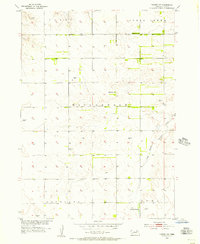 1954 Dorsey SW1956 Print · USGSHolt County, Nebraska, is seen here in the mid-1950s as a well-ordered agricultural landscape under the Missouri River Basin development program. Researchers can locate specific rural landmarks including Miniola Cem, School No 122, and the waters of Antelope Slough.
 - 1954 Map of Meek NE, 1956 Print
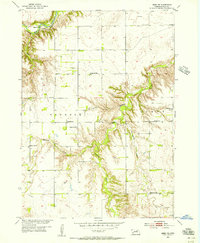 1954 Meek NE1956 Print · USGSHolt County's rural townships are captured here in the mid-fifties during the Missouri River Basin development survey. Researchers can trace the exact locations of local landmarks like Paddock Ch, the Town Hall, and several rural schoolhouses including School No 170.
 - 1954 Map of Opportunity, 1956 Print
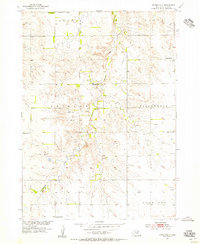 1954 Opportunity1956 Print · USGSHolt County's rural landscape is captured in the mid-1950s as the Missouri River Basin development program shaped the region. Genealogists and local historians can trace the distribution of early education centers like School No 80 and School No 37 near Opportunity.
 - 1954 Map of Meek SW, 1956 Print
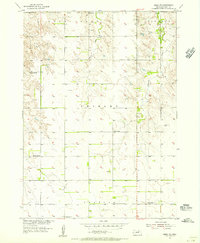 1954 Meek SW1956 Print · USGSHolt County's rural townships were captured in the mid-1950s just as the Missouri River Basin development program was underway. Genealogists can trace family land near the Town Hall or locate vanished district classrooms like School No 90 and School No 150.
 - 1954 Map of Meek, 1956 Print
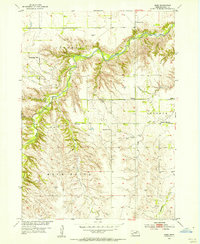 1954 Meek1956 Print · USGSHolt County ranching country is documented here during the mid-fifties as the landscape was shaped by the waters of Eagle Creek. Researchers can locate historic rural schoolhouses like Strong Butte Sch and community centers such as Meek and Pleasant Valley Ch.
 - 1954 Map of Atkinson NW, 1956 Print
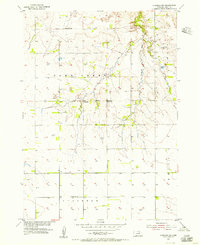 1954 Atkinson NW1956 Print · USGSHolt County's cattle country in the mid-1950s reveals a sparse network of ranching homesteads and rural school districts. Researchers can pinpoint long-standing family locations near Celia Cem, the Beck settlement, and the many Windmills that dot this High Plains terrain.2 unique versions available
Showing maps 1-25 of 303
Top cities of Holt County
- O'Neill historical maps
- Atkinson historical maps
- Stuart historical maps
- Ewing historical maps
- Chambers historical maps
- Page historical maps
See more
Frequently asked questions
- What are the different types of historical maps available for Holt County?
- What is the oldest map of Holt County?
- Where can I purchase historical maps of Holt County for my home or office?
- Where can I download high-res historical maps of Holt County?
- Are there historical topographic maps available for Holt County?
- Is there historical aerial imagery available for Holt County?
- Where are historical maps of Holt County sourced from?