1970s Maps of Emmons County, North Dakota
Explore 31 historic maps of Emmons County from the 1970s. These maps offer a rare glimpse into what life looked like during the 1970s — showing old roads, neighborhoods, homes, and landmarks that have changed or disappeared over time.
Whether you're researching your family's past, planning a metal detecting trip, or studying how Emmons County's landscape evolved across the 1970s, these high-resolution maps are a powerful tool for exploring the history of this region.
- Focus on a specific era: All maps on this page are from the 1970s, giving you a focused view of this time period.
- See what’s changed: Compare century-old streets, trails, and buildings to today's modern landscape using overlays and satellite layers.
- Research with precision: Use these maps for genealogy, historical research, land use analysis, or educational projects.
- View, download, or print: Maps are fully viewable online in high resolution, and can be downloaded or printed for your own records.
Start exploring Emmons County's history through authentic maps from the 1970s. This is your window into the past.
Emmons County, ND maps
(31)- 1971 Map of Moffit SW, 1973 Print
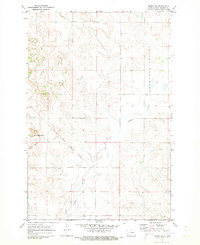 1971 Moffit SW1973 Print · USGSEmmons County land is captured here in the early seventies, dominated by the lingering lines of a nineteenth-century military frontier. Researchers can trace the Old Fort Rice Military Reservation Boundary and locate local landmarks like Rattlesnake Butte and Devils Gulch.
 - 1971 Map of Huff, 1973 Print
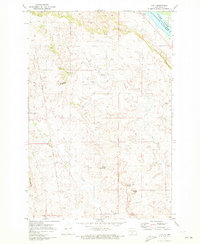 1971 Huff1973 Print · USGSThe Missouri River breaks near Huff are captured here during the early 1970s, showcasing a landscape of high buttes and military history. Genealogists and historians can locate the Parum Cem, Ambulance Butte Sch, and the old Fort Rice Military Reservation Boundary.
 - 1971 Map of Grassna NW, 1973 Print
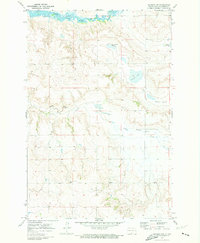 1971 Grassna NW1973 Print · USGSNorth Dakota's rural plains are captured here in the early seventies, showing the waters of Lake Oahe meeting the mouth of Beaver Creek. Researchers can locate family landmarks like St Bernard Ch or trace the drainage patterns of Berreth Lake and Schumacher Slough.
 - 1971 Map of Kiefer Buttes, 1973 Print
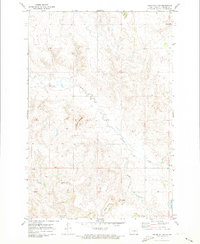 1971 Kiefer Buttes1973 Print · USGSEmmons County prairie land is mapped here in the early 1970s, showcasing a landscape of high buttes and seasonal watercourses. Local history researchers can trace the natural landmarks of the region, from the heights of Kiefer Buttes and Smith Butte to the waters of Becker Lake.
 - 1971 Map of Grassna, 1973 Print
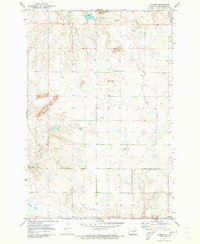 1971 Grassna1973 Print · USGSEmmons County farming country is shown here in the early seventies, centered on the small prairie settlement of Grassna. Researchers can locate the Holy Trinity Ch and trace the paths of Little Beaver Creek and Cattail Creek through the local buttes.
 - 1971 Map of Hazelton, 1973 Print
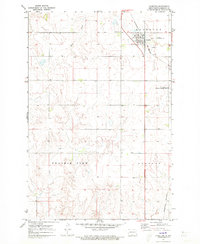 1971 Hazelton1973 Print · USGSHazelton and the surrounding Emmons County prairies are captured here in the early seventies, centered on the Burlington Northern rail line. Researchers can trace local heritage at St Paul Cem or explore the boundaries of the Appert Lake National Wildlife Refuge.
 - 1971 Map of Moffit SE, 1973 Print
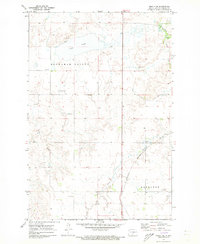 1971 Moffit SE1973 Print · USGSEmmons County prairie and the community of Hazelton are shown here as they appeared in the early seventies. Researchers can trace the Burlington Northern rail line and locate landmarks like the local Townhall and Dutton Slough.
 - 1971 Map of Fort Rice, 1973 Print
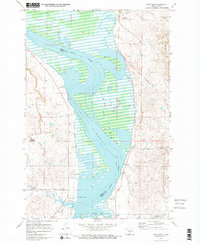 1971 Fort Rice1973 Print · USGSThe Missouri River valley near Fort Rice appears here in the early seventies during the rise of Lake Oahe. Genealogists and historians can locate the Fort Rice Military Cem, the Fort Rice Historical Site, and an Old Railroad Grade.2 unique versions available
 - 1971 Map of Hazelton SW, 1973 Print
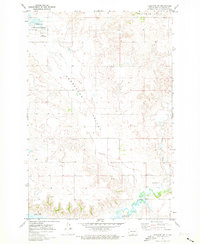 1971 Hazelton SW1973 Print · USGSThe Missouri River breaks of Emmons County come into focus in the early 1970s, showing a landscape shaped by water and wildlife conservation. Genealogists can locate several local burial sites, including Winchester Cem and Baptist Cem, alongside the waters of Sunburst Lake.
 - 1971 Map of Huff NE, 1973 Print
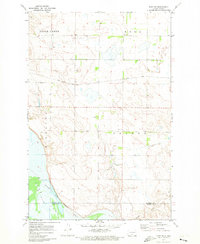 1971 Huff NE1973 Print · USGSThe Missouri River breaks into the prairie south of Bismarck in the early seventies, showing a landscape defined by ranching and historic boundaries. Trace the Old Fort Rice Military Reservation Boundary and locate local landmarks like Glendale Ch and Telfer Sch.
 - 1971 Map of Moffit NW, 1973 Print
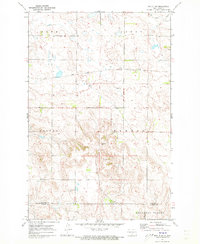 1971 Moffit NW1973 Print · USGSCentral North Dakota’s rugged breaks and prairie flats are captured here in the early seventies as the railroad and ranching economy shaped the land. Genealogists and local historians can trace family-named landmarks like Black Leg Ranch and the rail siding at Brittin.
 - 1971 Map of Grassna NE, 1973 Print
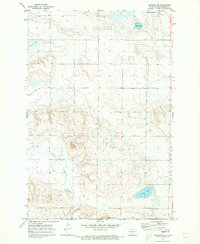 1971 Grassna NE1973 Print · USGSEmmons County prairie and wetlands appear in high detail during the early 1970s. Local researchers can trace family-named landmarks across the landscape, including Schwahn Lake, Maier Lake, and the drainage of Little Beaver Creek.
 - 1971 Map of Hazelton NW, 1973 Print
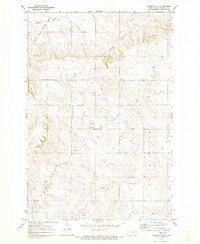 1971 Hazelton NW1973 Print · USGSThe Emmons County prairie in the early seventies shows a transition from military history to modern conservation. Genealogists and local historians can trace the family markers at Gimble Cem and Meckle Cem or locate the old Fort Rice Military Reservation Boundary.
 - 1971 Map of Strasburg, 1973 Print
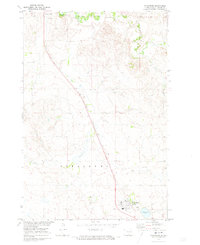 1971 Strasburg1973 Print · USGSThe village of Strasburg and the surrounding North Dakota prairie are captured in the early seventies, anchored by a prominent rail corridor. Genealogists and local historians can locate Reform Cem, trace the Milwaukee Road tracks, and find the site of an old Drive-in Theater.
 - 1971 Map of Temvik, 1973 Print
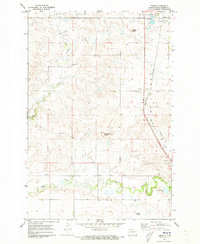 1971 Temvik1973 Print · USGSIn the early 1970s, the rural community of Temvik and its surrounding prairie landscape were centered on the Burlington Northern railroad. Genealogists can locate family landmarks like Sand Creek Cem and the Townhall.
 - 1971 Map of Moffit, 1973 Print
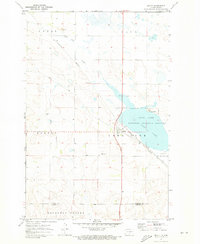 1971 Moffit1973 Print · USGSThe rural landscape around Moffit comes into focus during the early 1970s, as the Burlington Northern and Soo Line railroads cross the prairie. Researchers can trace local landmarks like Moffit Cemetery, Moffit Butte, and the protected waters of Long Lake.
 - 1975 Map of Dana, 1978 Print
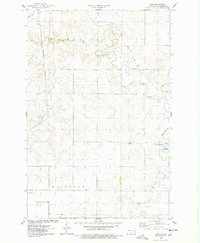 1975 Dana1978 Print · USGSEmmons County in the mid-1970s was a critical junction for the northern plains rail network. Researchers can trace the dual paths of the Burlington Northern and Soo Line railroads or locate local landmarks like the McLeish Landing Strip and Braddock Dam.
 - 1975 Map of Appert Lake, 1978 Print
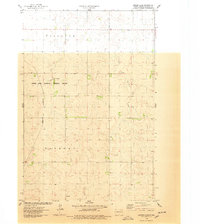 1975 Appert Lake1978 Print · USGSThe Emmons County prairie during the mid-seventies is documented here through its agricultural grid and wildlife conservation lands. Researchers can trace land divisions in Hazelton and Danbury or locate the boundaries of the Appert Lake National Wildlife Refuge.
 - 1975 Map of Linton NE, 1978 Print
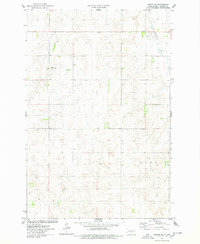 1975 Linton NE1978 Print · USGSThe rural prairie of Emmons County was surveyed in the mid-1970s, showing the agricultural character of Tell and Wood townships. Genealogists and researchers can locate the small settlement of Brad and a specific early Grave site north of the Long Lake Creek.
 - 1975 Map of Braddock NW, 1978 Print
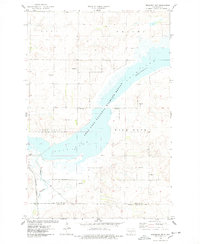 1975 Braddock NW1978 Print · USGSThe Missouri Plateau of North Dakota is captured here in the mid-seventies, centered on the expansive waters of the Long Lake National Wildlife Refuge. Researchers can trace the path of the Soo Line railroad and locate small prairie landmarks like the Landing Strip and Long Lake Creek.
 - 1975 Map of Braddock, 1978 Print
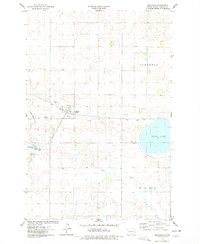 1975 Braddock1978 Print · USGSBraddock and the surrounding Emmons County plains are captured here in the mid-seventies as the rail-and-creek economy shaped the local township. Genealogists can locate Braddock Cem and Maria Cem, or trace the Soo Line past Goose Lake.
 - 1975 Map of Braddock NE, 1978 Print
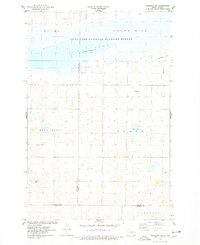 1975 Braddock NE1978 Print · USGSKidder and Burleigh counties are shown in the mid-1970s, a period defined by vast wildlife conservation and prairie agriculture. Researchers can trace land boundaries in Wild Rose and Baker or locate natural landmarks like Crown Hill and Mud Lake.
 - 1975 Map of Kintyre, 1978 Print
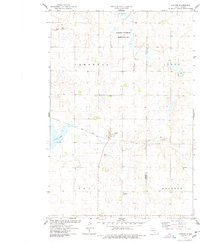 1975 Kintyre1978 Print · USGSThe rural prairie landscape surrounding Kintyre is captured here during the mid-seventies, showing the vital role of the railroad and land management. Researchers can trace the Soo Line tracks through town or locate the National Waterfowl Production Area and Stink Lake.
 - 1976 Map of Sugarloaf Butte, 1977 Print
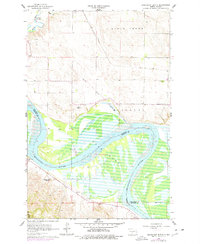 1976 Sugarloaf Butte1977 Print · USGSThe Missouri River valley south of Bismarck is captured here during the mid-seventies as the reservoir waters of Lake Oahe dominated the lowlands. Researchers can trace the Old Fort Rice Military Reservation Boundary or locate local landmarks like Stewartsdale Cem and Sugarloaf Butte.
 - 1978 Map of Zeeland NW, 1979 Print
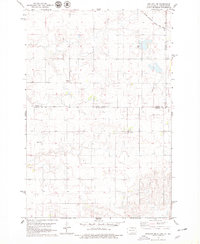 1978 Zeeland NW1979 Print · USGSThe borderlands of the Dakotas appear here in the late seventies, showing a quiet prairie landscape at the intersection of three counties. Genealogists and local historians can trace the Milwaukee Road rail line and locate the Baptist Cem or Freidens Cem.
Showing maps 1-25 of 31
Top cities of Emmons County
- Linton historical maps
- Strasburg historical maps
- Hazelton historical maps
- Hague historical maps
- Braddock historical maps
Frequently asked questions
- What are the different types of historical maps available for Emmons County?
- What is the oldest map of Emmons County?
- Where can I purchase historical maps of Emmons County for my home or office?
- Where can I download high-res historical maps of Emmons County?
- Are there historical topographic maps available for Emmons County?
- Is there historical aerial imagery available for Emmons County?
- Where are historical maps of Emmons County sourced from?