2000s (21st Century) Maps of Coal County, Oklahoma
Explore 90 historic maps of Coal County from the 2000s (21st Century). These maps offer a rare glimpse into what life looked like during the 2000s — showing old roads, neighborhoods, homes, and landmarks that have changed or disappeared over time.
Whether you're researching your family's past, planning a metal detecting trip, or studying how Coal County's landscape evolved across the 2000s, these high-resolution maps are a powerful tool for exploring the history of this region.
- Focus on a specific era: All maps on this page are from the 2000s, giving you a focused view of this time period.
- See what’s changed: Compare century-old streets, trails, and buildings to today's modern landscape using overlays and satellite layers.
- Research with precision: Use these maps for genealogy, historical research, land use analysis, or educational projects.
- View, download, or print: Maps are fully viewable online in high resolution, and can be downloaded or printed for your own records.
Start exploring Coal County's history through authentic maps from the 2000s. This is your window into the past.
Coal County, OK maps
(90)- 2009 Map of Gerty, 2009 Print
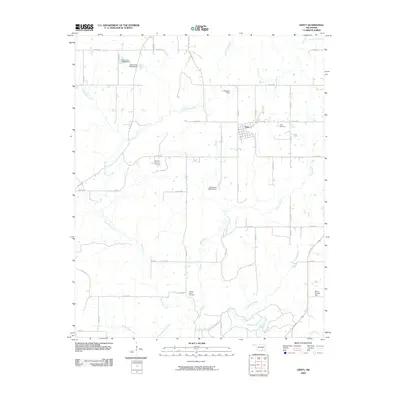 2009 Gerty2009 Print · USGSHughes County remains a landscape of quiet creek bottoms and oil exploration in the first decade of the 2000s. Genealogists and local historians can trace the rural layout of Gerty, the Ne Citra Oil and Gas Field, and the Gerty Cemetery.
 - 2009 Map of Lula, 2009 Print
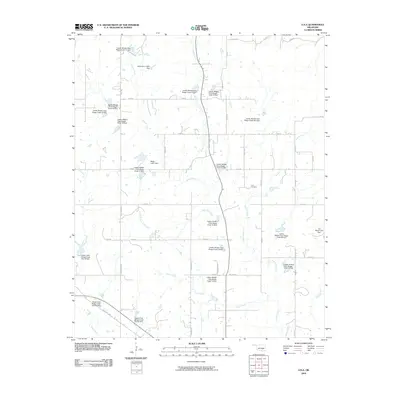 2009 Lula2009 Print · USGSPontotoc County rural life is seen here in the first decade of the 2000s, centered on a complex network of managed waterways and country roads. Researchers can locate family landmarks like Lula Cemetery, find local junctions like Deb's Corner, and trace the route of Old State Hwy 3.
 - 2009 Map of Connerville NE, 2009 Print
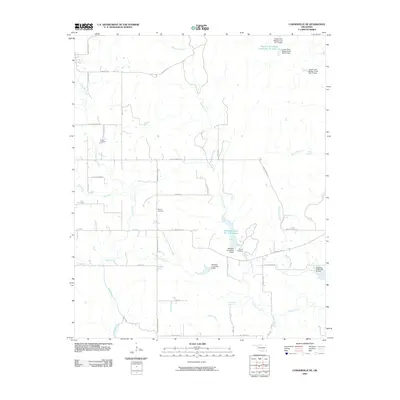 2009 Connerville NE2009 Print · USGSThe rural stretches of Johnston County are mapped here in the late 2000s, showcasing a network of managed reservoirs and family land. Researchers can locate Seeley Cemetery, the grounds of Camp Simpson, and historic water sources like Kelly Spring and Deadman Spring.
 - 2009 Map of Stonewall, 2009 Print
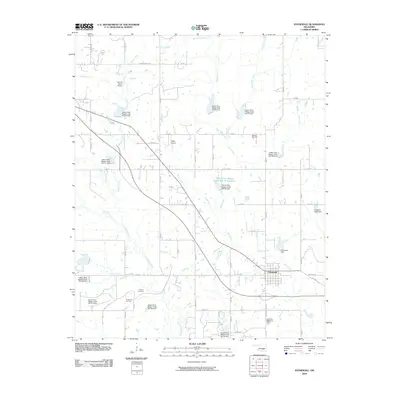 2009 Stonewall2009 Print · USGSOklahoma's southern ranchlands and creek bottoms come into focus at the end of the first decade of the 2000s. Genealogists and local historians can trace legacy sites like Malville Cemetery and the North Fitts Oil Field near Stonewall.
 - 2009 Map of Harden City, 2009 Print
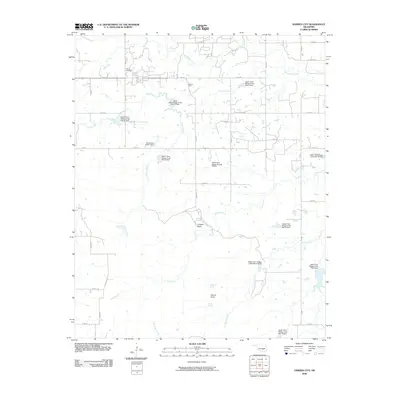 2009 Harden City2009 Print · USGSPontotoc County’s rural landscape is captured here in the early twenty-first century, showing a region defined by energy production and watershed management. Genealogists and historians can locate Atkins Cemetery or trace the reach of the Fitts Oil Field among natural landmarks like Gobbler Knob.
 - 2009 Map of Olney, 2009 Print
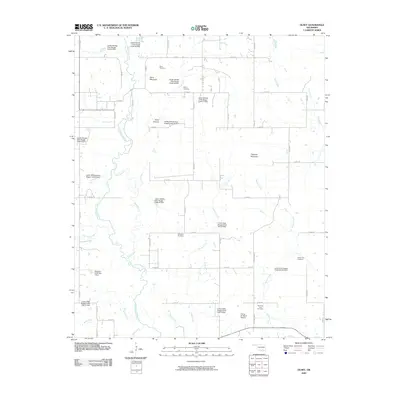 2009 Olney2009 Print · USGSCoal County’s rural landscape comes into focus during this early 21st-century survey, centered on the Clear Boggy Creek watershed. Genealogists and local historians can locate several family-named burial sites including Sealy Cemetery, Valley View Cemetery, and the notable Standing Rock Cemetery.
 - 2009 Map of Tupelo NE, 2009 Print
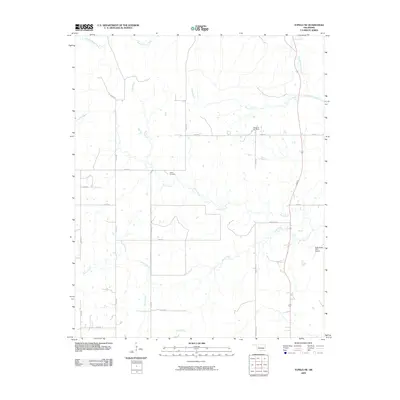 2009 Tupelo NE2009 Print · USGSCoal County ranchlands are documented here in the early twenty-first century, showing the rural landscape before further modern development. Genealogists and researchers can trace local landmarks like Globe Cemetery and the remote Diamond Bar Ranch.
 - 2009 Map of Ashland, 2009 Print
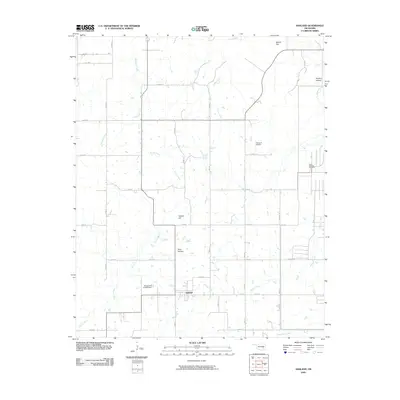 2009 Ashland2009 Print · USGSAshland and the surrounding Pittsburg County landscape are captured here in the early twenty-first century, showing a rural community defined by its creeks and hills. Researchers can locate Ward Springs Cemetery, the Flying H Airport, and landmarks like Bethel Hill.
 - 2009 Map of Steedman, 2009 Print
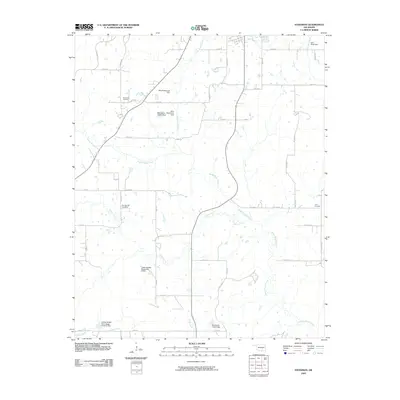 2009 Steedman2009 Print · USGSThe rural lands near Allen, Oklahoma, are captured here in the late 2000s, showing a landscape shaped by creek systems and water management. Genealogists and local historians can locate several historic burial sites, such as Black Rock Cemetery and Red Springs Cemetery, alongside local landmarks like the Allen Sportsman Dam.
 - 2009 Map of Coalgate, 2009 Print
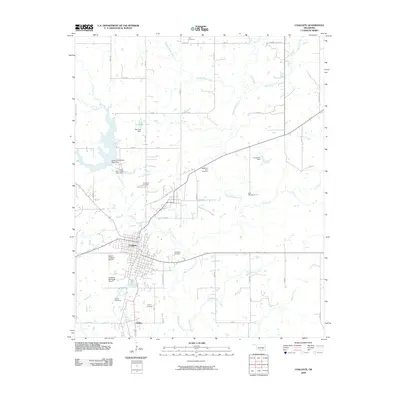 2009 Coalgate2009 Print · USGSCoalgate and the Coal County countryside are shown here in the late 2000s, where the local coal mining legacy meets a landscape of creeks and reservoirs. Researchers can locate family heritage sites at Calvary or Woodman Cemetery and trace industrial sites like the Phillips Strip Mine.
 - 2009 Map of Wapanucka North, 2009 Print
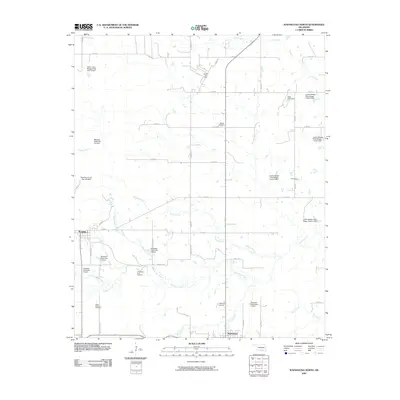 2009 Wapanucka North2009 Print · USGSOklahoma's Johnston County countryside is revealed here at the end of the first decade of the millennium. Researchers can locate family landmarks at Rose Hill Cemetery and Wells Valley Cemetery, or trace the grounds of the Chickasaw Rock Academy and Clarita Post Office.
 - 2010 Map of Parker, 2010 Print
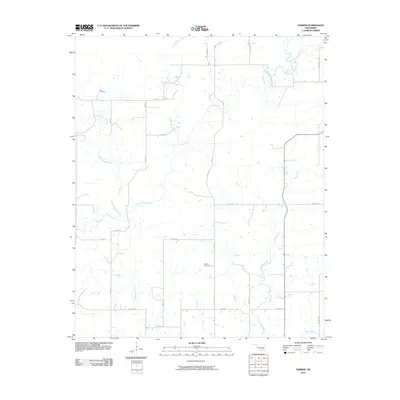 2010 Parker2010 Print · USGSCoal County at the start of the 2010s is a landscape of winding creeks and section line roads. Family historians can trace local ties through Pirie Cemetery and McCarty Cemetery, or follow the banks of the Muddy Boggy Creek.
 - 2010 Map of Non, 2010 Print
 2010 Non2010 Print · USGSIn rural Hughes County during the early 2000s, this area shows a landscape defined by creeks and flood control structures. Genealogists and local historians can locate Non Cemetery, Rock Creek Cemetery, and the Elmo Tipton Dam among the local section roads.
 - 2010 Map of Lehigh, 2010 Print
 2010 Lehigh2010 Print · USGSAtoka County's coal mining heritage and municipal growth are preserved here in the early 2000s. Researchers can trace ancestral sites at Old Lehigh Cemetery and Lehigh Cemetery or examine the footprint of the Lehigh Strip Mine near Midway.
 - 2010 Map of Wardville, 2010 Print
 2010 Wardville2010 Print · USGSAtoka County's rural landscape is captured here in the early 2000s, showing a region defined by its creek valleys and section-line roads. Researchers can pinpoint several family burial sites including Lone Star Cemetery, King Cemetery, and the Kelly Cemetery.
 - 2010 Map of Centrahoma, 2010 Print
 2010 Centrahoma2010 Print · USGSCentrahoma and the surrounding Coal County rural districts are shown in detail as they appeared in 2010. Researchers can locate the Oconee Oil Field, family-named cemeteries like Keel Cemetery, and former school sites such as Oak Grove School.
 - 2010 Map of Tupelo, 2010 Print
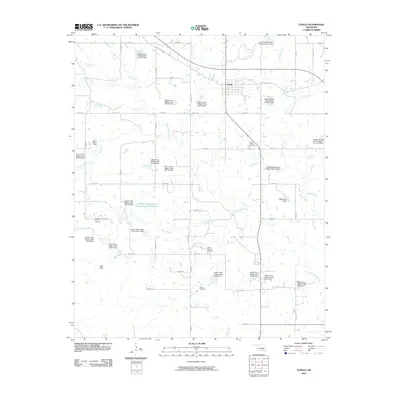 2010 Tupelo2010 Print · USGSCoal County enters the 2010s as a landscape of managed water and energy, centered on the community of Tupelo. Researchers can trace old family burial sites at Byrds Prairie Cemetery or locate the Clarita Oil and Gas Field and several flood control dams.
 - 2010 Map of Coalgate SE, 2010 Print
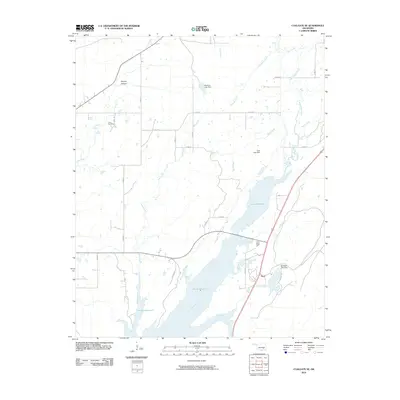 2010 Coalgate SE2010 Print · USGSAtoka County's landscape is defined by its massive water projects and rural holdings at the start of the 2010s. Genealogists and local historians can trace the area near Flora or locate the Cairo Cemetery tucked away near Phillips Hollow.
 - 2012 Map of Steedman, 2012 Print
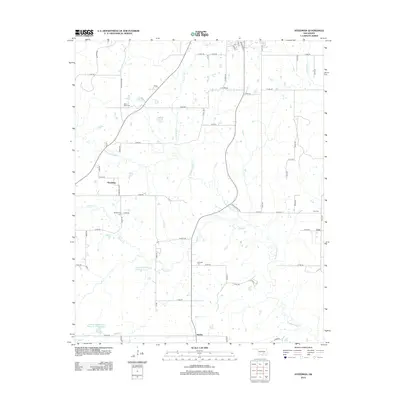 2012 Steedman2012 Print · USGSOklahoma's rural interior near the Pontotoc-Hughes county line is mapped here during a period of modern water management and established township grids. Genealogists can locate family burial sites at Black Rock Cem and Citra Cem or trace the early paths of Steedman and Jaydee.
 - 2012 Map of Centrahoma, 2012 Print
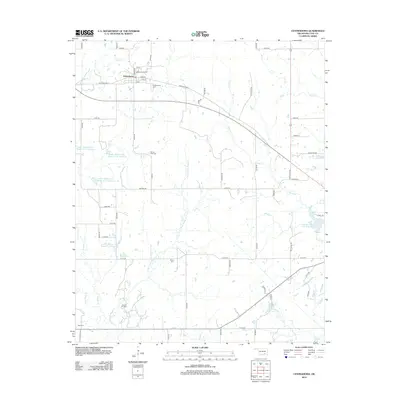 2012 Centrahoma2012 Print · USGSCentrahoma and the surrounding Coal County countryside are captured here in the early twenty-first century as a landscape of managed water and oil production. Researchers can locate the Oconee Oil Field and several rural burying grounds like Nixon Cem and Keel Cem.
 - 2012 Map of Lula, 2012 Print
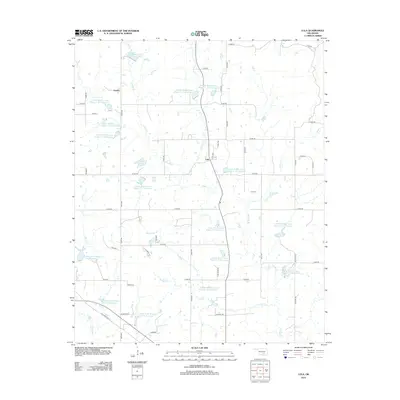 2012 Lula2012 Print · USGSThe rural landscape of Pontotoc County is shown here in the early 2010s, defined by a massive network of watershed reservoirs. Genealogists and local historians can locate Lula Cem and trace small settlements like Leader and Lula.
 - 2012 Map of Gerty, 2012 Print
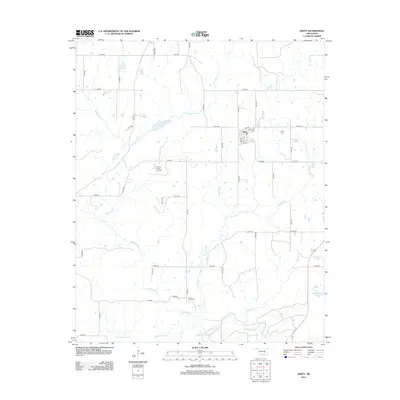 2012 Gerty2012 Print · USGSGerty and the surrounding Hughes County countryside are captured here in the early twenty-first century. Genealogists and local researchers can locate family plots at Gerty Cem or Panther Creek Cem and trace the local energy landscape at the Ne Citra Oil and Gas Field.
 - 2012 Map of Lehigh, 2012 Print
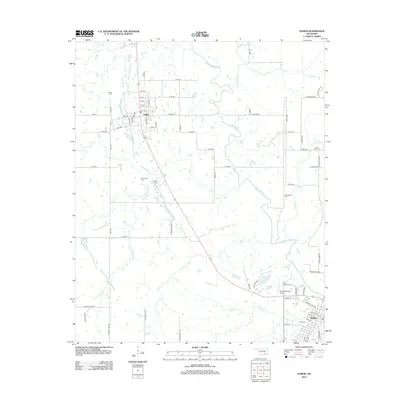 2012 Lehigh2012 Print · USGSLehigh and Atoka are shown in the early twenty-first century, revealing a landscape shaped by the winding Muddy Boggy Creek. Researchers can locate numerous historic burial sites such as Old Lehigh Cem, Macedonia Cem, and Coal Creek Cem.
 - 2012 Map of Tupelo NE, 2012 Print
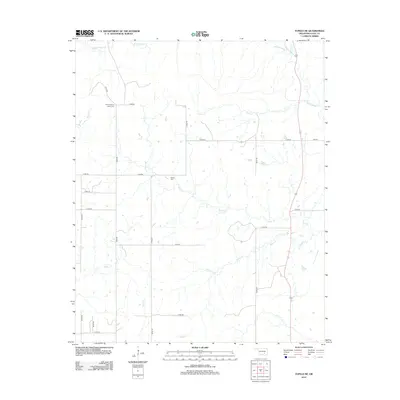 2012 Tupelo NE2012 Print · USGSCoal County at the start of the 2010s is a landscape of rural section lines and winding waterways. Family historians can locate Boiling Spring Indian Cem and Globe Cem nestled among the drainages of Muddy Boggy Cr and Rock Cr.
 - 2012 Map of Wardville, 2012 Print
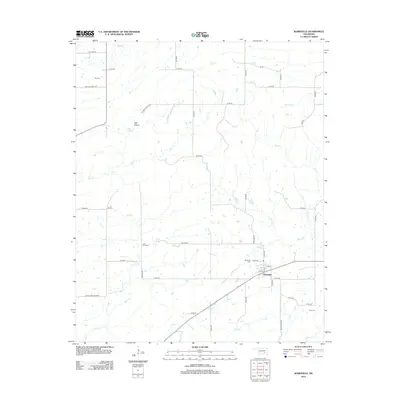 2012 Wardville2012 Print · USGSWardville and its surrounding Oklahoma prairies are captured here in the early twenty-first century, showing a landscape defined by ranch roads and historic boundaries. Genealogists can locate several local burial grounds, including Lone Star Cem and King Cem, while tracing the path of the Indian Bnd.
Showing maps 1-25 of 90
Top cities of Coal County
- Coalgate historical maps
- Tupelo historical maps
- Lehigh historical maps
- Phillips historical maps
- Centrahoma historical maps
Frequently asked questions
- What are the different types of historical maps available for Coal County?
- What is the oldest map of Coal County?
- Where can I purchase historical maps of Coal County for my home or office?
- Where can I download high-res historical maps of Coal County?
- Are there historical topographic maps available for Coal County?
- Is there historical aerial imagery available for Coal County?
- Where are historical maps of Coal County sourced from?