1990s Maps of Comanche County, Oklahoma
Explore 22 historic maps of Comanche County from the 1990s. These maps offer a rare glimpse into what life looked like during the 1990s — showing old roads, neighborhoods, homes, and landmarks that have changed or disappeared over time.
Whether you're researching your family's past, planning a metal detecting trip, or studying how Comanche County's landscape evolved across the 1990s, these high-resolution maps are a powerful tool for exploring the history of this region.
- Focus on a specific era: All maps on this page are from the 1990s, giving you a focused view of this time period.
- See what’s changed: Compare century-old streets, trails, and buildings to today's modern landscape using overlays and satellite layers.
- Research with precision: Use these maps for genealogy, historical research, land use analysis, or educational projects.
- View, download, or print: Maps are fully viewable online in high resolution, and can be downloaded or printed for your own records.
Start exploring Comanche County's history through authentic maps from the 1990s. This is your window into the past.
Comanche County, OK maps
(22)- 1991 Map of Fletcher
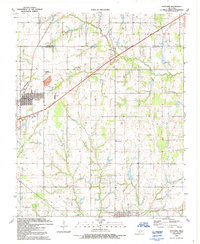 1991 Fletcher1991 Print · USGSThe Oklahoma prairie south of the Caddo County line is captured here in the early nineties as energy production and transport routes define the landscape. Trace local family history at the Washita Indian Cemetery or locate old operations near Fletcher and Sterling.
 - 1991 Map of Denton
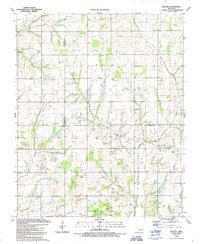 1991 Denton1991 Print · USGSThe Oklahoma prairie at the start of the 1990s reveals a landscape defined by an active gas and oil field spanning three county lines. Genealogists and historians can trace family-named sites like Burris alongside the Woodlawn Cem and the Hurley Grove Community House.
 - 1991 Map of Letitia
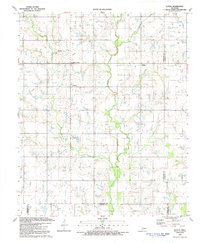 1991 Letitia1991 Print · USGSSouthern Oklahoma at the start of the nineties shows a landscape where petroleum production and farming coexist. Researchers can trace rural community centers like Pumpkin Center and Letitia, along with Hulen Church and the local Cemetery.
 - 1991 Map of Lawton
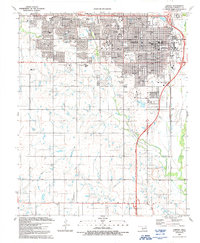 1991 Lawton1991 Print · USGSLawton in the early nineties displays a bustling regional hub defined by expanding medical centers and academic campuses. Researchers can trace the town's evolution through landmarks like Cameron University, the Municipal Airport, and neighborhood schools like Eisenhower School.
 - 1991 Map of Rocky Ford
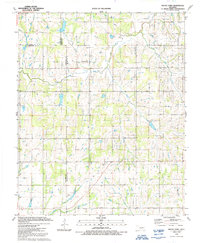 1991 Rocky Ford1991 Print · USGSThe Oklahoma countryside at the turn of the 1990s reveals a complex network of oil production and rural life where Grady, Caddo, and Comanche counties meet. Researchers can trace family sites near Simpson Cem, explore the Rush Creek Oil and Gas Field, or locate the old community of Acme.
 - 1991 Map of Sterling
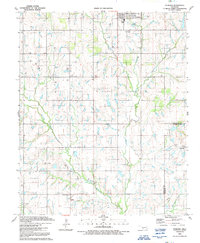 1991 Sterling1991 Print · USGSThe ranching and energy country of the Oklahoma prairie is captured here in the early nineties. Genealogists and local historians can locate rural landmarks such as Midway Ch, the old settlement at Denton, and the concentrated Oil Field near Coxs Corner.
 - 1991 Map of Arbuckle Hill
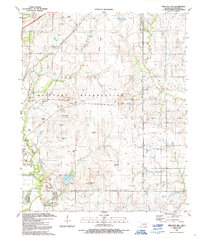 1991 Arbuckle Hill1991 Print · USGSOklahoma's military heartland is captured here during the late twentieth century, showing the intersection of historic training grounds and local genealogy. Researchers can trace the perimeter of the Fort Sill Military Reservation and locate old burials at Beef Creek Cem or Balitsos South Cem.
 - 1991 Map of Ninemile Creek
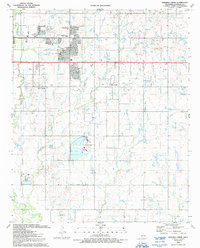 1991 Ninemile Creek1991 Print · USGSEastern Lawton and the surrounding plains show a landscape of suburban growth and utility infrastructure in the early nineties. Genealogists and local historians can trace family-named sites like Flower Mound Cem and early aviation at the R & D Aviation Landing Strip.
 - 1991 Map of Fort Sill
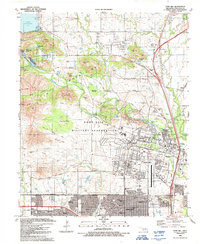 1991 Fort Sill1991 Print · USGSComanche County and the sprawling Fort Sill military complex appear in detail during the early nineties. Researchers can trace the layout of Fort Sill, find the Comanche Tribal Complex, and locate family sites near Highland Cemetery.
 - 1991 Map of Taupa, 1992 Print
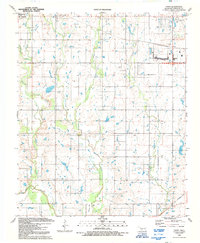 1991 Taupa1992 Print · USGSComanche County is shown at the start of the nineties as a landscape of established rural communities and small-town growth. Researchers can locate specific family burial sites at Deyo Cem and Pecan Cem or trace the path of the old railroad grade.
 - 1991 Map of Indiahoma, 1992 Print
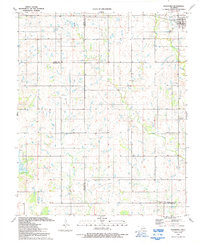 1991 Indiahoma1992 Print · USGSIndiahoma and the surrounding ranchlands at the intersection of three counties are detailed in this early nineties survey. Genealogists can trace family roots at Post Oak Cem, Indiahoma IOOF Cem, and Peace Congregational Ch.
 - 1991 Map of Meers, 1992 Print
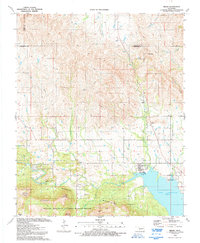 1991 Meers1992 Print · USGSThe Wichita Mountains foothills come into focus in the early nineties, centered on the community of Meers. Local historians can trace tribal roots at the Mount Scott Kiowa Mission and Mountain Scott Tribal Center near Lake Lawtonka.2 unique versions available
 - 1991 Map of Mount Scott, 1992 Print
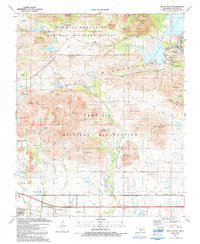 1991 Mount Scott1992 Print · USGSComanche County is shown at a time when the peaks of the Wichita Mountains met the expansive training grounds of Fort Sill. Researchers can locate the grounds of The Holy City, trace the streets of Medicine Park, or find family sites near Cache Cemetery and Komah Mem Ch.
 - 1991 Map of Quanah Mountain, 1992 Print
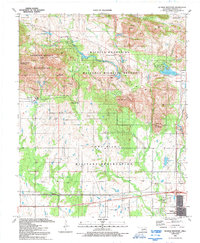 1991 Quanah Mountain1992 Print · USGSThe Wichita Mountains at the start of the 1990s reveal a landscape split between wildlife conservation and military operations. Trace the early mining history at Bonanza Mine or explore the transition from the Charons Garden Wilderness to the Fort Sill Military Reservation.2 unique versions available
 - 1991 Map of Elgin, 1992 Print
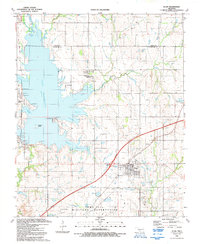 1991 Elgin1992 Print · USGSElgin and the Caddo-Comanche county line are captured here during the early nineties as lakeside developments expanded. Genealogists and local historians can trace family plots at St Ann Cem and Elgin Community Cem or locate old water features like Schammahorn Slough.
 - 1991 Map of Richards Spur, 1992 Print
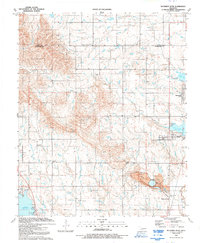 1991 Richards Spur1992 Print · USGSComanche County and Caddo County meet here at a time of established lakeside growth and industrial activity near the Wichita Mountains. Trace local heritage at the Whitewolf Ceremonial Grounds, Mount Scott Cemetery, and the settlement of Richards Spur.
 - 1991 Map of Post Oak Creek, 1992 Print
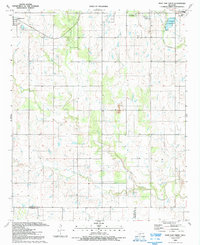 1991 Post Oak Creek1992 Print · USGSComanche County during the early nineties reveals a landscape of tribal centers and rural prairie settlements. Trace ancestral roots and local history at the Comanche Tribal Cultural Center, Cache Indian Cem, and the town of Indiahoma.
 - 1991 Map of Saddle Mountain, 1992 Print
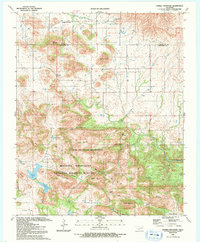 1991 Saddle Mountain1992 Print · USGSThe Wichita Mountains in the early nineties show a landscape defined by protected wilderness and the intersection of Kiowa and Comanche counties. Researchers can trace land markers like Saddle Mountain Cem, Geronimo Ridge, and Gray Wolf Crossing.2 unique versions available
 - 1991 Map of Cooperton, 1992 Print
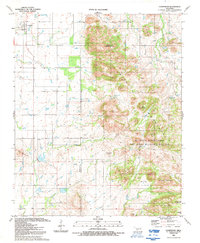 1991 Cooperton1992 Print · USGSThe Kiowa and Comanche county line area comes into focus in the early 1990s, where agricultural plains meet the granite peaks of the southwest. Researchers can locate the Springhill Cem, trace the waters of Cut Throat Lake, and explore the high ground of Mount Pinchot.
 - 1991 Map of Odetta, 1992 Print
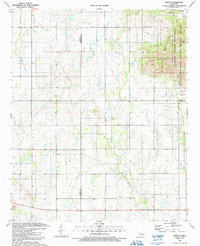 1991 Odetta1992 Print · USGSComanche and Kiowa counties meet here in the early nineties, where the high plains break into the dramatic Wichita Mountains. Trace the rural settlement of Odetta or locate water sources like Cottonwood Spring and Deep Red Creek among the geologic peaks.
 - 1997 Map of Quanah Mountain, 1999 Print
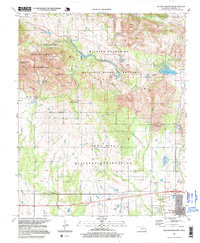 1997 Quanah Mountain1999 Print · USGSComanche County during the late nineties reveals a stark division between preserved wilderness and military territory. Genealogists and historians can trace old landmarks like the Peprington Mine, the settlement of Cache, and family-favored spots like Eagle Park.2 unique versions available
 - 1997 Map of Mount Scott, 2000 Print
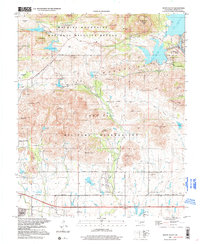 1997 Mount Scott2000 Print · USGSComanche County during the late nineties shows a fascinating intersection of military training grounds and wildlife conservation. Genealogists and local historians can trace the area around Cache, the resort streets of Medicine Park, or the grounds of The Holy City.
End of results
Showing maps 1-22 of 22
Top cities of Comanche County
- Lawton historical maps
- Cache historical maps
- Elgin historical maps
- Geronimo historical maps
- Fletcher historical maps
- Sterling historical maps
See more
Frequently asked questions
- What are the different types of historical maps available for Comanche County?
- What is the oldest map of Comanche County?
- Where can I purchase historical maps of Comanche County for my home or office?
- Where can I download high-res historical maps of Comanche County?
- Are there historical topographic maps available for Comanche County?
- Is there historical aerial imagery available for Comanche County?
- Where are historical maps of Comanche County sourced from?