Old Maps of Pushmataha County, Oklahoma
Explore 227 old maps of Pushmataha County, spanning from 1898 to today. These high-resolution historic maps reveal how streets, neighborhoods, landmarks, and natural features evolved over time — perfect for genealogy, metal detecting, research, and local history exploration.
What you can do with these maps:
- See how Pushmataha County changed over time: Compare historical maps to modern-day views to trace roads, homesites, rail lines & more.
- View detailed metadata: Each map includes creators, publishers, year, scale, and archive source.
- Overlay maps with satellite & LiDAR: Visualize the past alongside modern tools to explore terrain & human change.
- Trusted historical sources: Maps sourced from the USGS, Library of Congress, and other archives.
- Access maps your way: View online, download high-res files, or order prints for personal or research use.
Start exploring old maps of Pushmataha County to uncover forgotten places, hidden landmarks, and the deep history beneath your feet.
Pushmataha County, OK maps
(227)- 1898 Map of McAlester
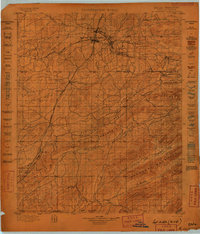 1898 McAlester1898 Print · USGSThe Choctaw Nation in the late 1890s was a landscape defined by emerging coal towns and critical rail junctions. Researchers can trace early settlements and industrial sites like South Mc Alester, Hartshorne, and Mine No. 5 along the Choctaw Oklahoma and Gulf R. R.4 unique versions available
 - 1900 Map of Winding Stair
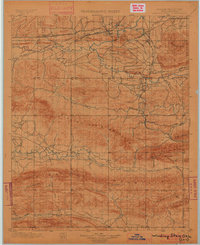 1900 Winding Stair1900 Print · USGSThe Choctaw Nation at the turn of the century shows a frontier landscape shaped by the Ouachita Mountains and new rail lines. Genealogists can locate early settlements like Summerfield and Heavener or trace the Woods Trail across the Kiamichi Mountain range.2 unique versions available
 - 1901 Map of Antlers
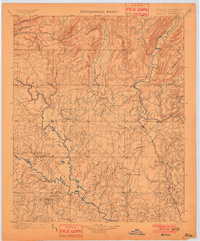 1901 Antlers1901 Print · USGSThe Choctaw Nation territory is captured here during the transitional years before Oklahoma statehood, when the railroad began to reshape the landscape. Genealogists and historians can trace early settlements like Mayhew, the site of Spencer Academy, and the path of the St. Louis and San Francisco line.
 - 1901 Map of Tuskahoma
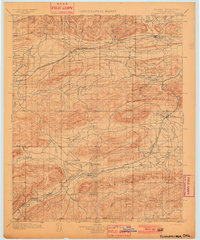 1901 Tuskahoma1901 Print · USGSThe Choctaw Nation in the Indian Territory is captured here during its transition to statehood, showing a landscape of tribal centers and early railroad expansion. Genealogists and historians can locate the Council House and rural outposts like Bengal, Ola, and Damon.
 - 1901 Map of Alikchi
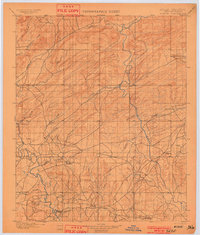 1901 Alikchi1901 Print · USGSChoctaw Nation territory is captured here just before the turn of the century, showing a landscape of river-fed valleys and early educational outposts. Researchers can trace the grounds of Old Spencer Academy, the site of Fort Towson, and the remote Alikchi settlement.5 unique versions available
 - 1908 Map of Tuskahoma, 1964 Print
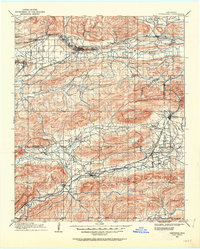 1908 Tuskahoma1964 Print · USGSOklahoma's Choctaw Nation territory at the start of the twentieth century shows a landscape shaped by ridge-top boundaries and the arrival of the steam engine. Researchers can locate early landmarks like the Choctaw Council House, Peachland Chapel, and mining era towns like Wilburton.
 - 1909 Map of Mc Alester
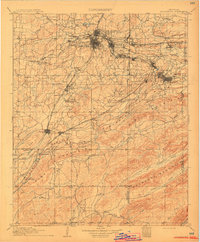 1909 Mc Alester1909 Print · USGSSoutheast Oklahoma's coal mining belt and the rugged Choctaw Nation territory are captured here in the early years of statehood. Researchers can trace the rail-side growth of McAlester and Hartshorne or locate vanished sites like Barnett Sta Haywood PO and Perryville.3 unique versions available
 - 1909 Map of Tuskahoma
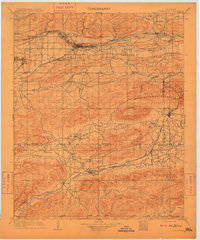 1909 Tuskahoma1909 Print · USGSSoutheastern Oklahoma’s rugged mountain corridors and Choctaw Nation landmarks are documented here at the end of the territorial era. Genealogists and historians can trace rail-town development and find remote sites like the Choctaw Council House, Bunchtown, and Thessalonica Church.3 unique versions available
 - 1909 Map of Winding Stair
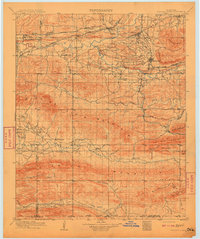 1909 Winding Stair1909 Print · USGSSoutheastern Oklahoma’s early statehood era is defined here by the intersection of major rail corridors and high mountain ridges. Researchers can trace the development of transit hubs like Heavener and Wister, or locate remote valley settlements such as Whitesboro and Muse.4 unique versions available
 - 1912 Map of Antlers
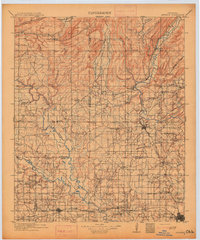 1912 Antlers1912 Print · USGSSoutheastern Oklahoma’s river valleys and growing rail towns are captured here in the decade following statehood. Genealogists can trace family roots through numerous rural landmarks like Niles Store, the Asphalt Mine, and early school sites such as Timber Hill School.3 unique versions available
 - 1925 Map of Antlers
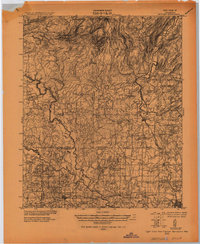 1925 Antlers1925 Print · USGSSoutheastern Oklahoma's river valleys and rail lines are documented here in the years following statehood. Genealogists can trace family roots through numerous local landmarks like Armstrong Academy, the Asphalt Mine, and many rural sites like Nelson Chapel School.
 - 1950 Map of Mcalester
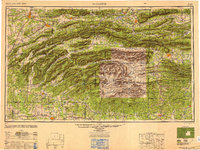 1950 Mcalester1950 Print · USGSThe Ouachita Mountains and the coal country of Southeast Oklahoma are shown here in the late 1940s. Genealogists and historians can trace the rail-driven growth of McAlester, Wilburton, and Antlers alongside the rugged terrain of Kiamichi Mountain.2 unique versions available
 - 1957 Map of Farris, 1958 Print
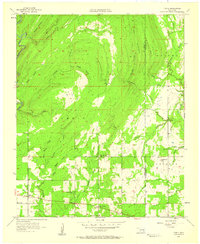 1957 Farris1958 Print · USGSSoutheastern Oklahoma in the late fifties shows a landscape of small farming communities and county-line crossings. Genealogists can trace family roots through landmarks like Round Lake Cem, Farris Sch, and the Center Point Ch.3 unique versions available
 - 1957 Map of Moyers, 1958 Print
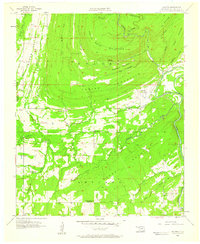 1957 Moyers1958 Print · USGSThe Kiamichi River valley in the late fifties was a landscape of mountain ridges and small rail-side communities. Genealogists and historians can trace the foundations of Miller, Moyers, and Kellond, or locate rural landmarks like Pleasant Cove Ch and Miller Cem.3 unique versions available
 - 1957 Map of Jumbo, 1958 Print
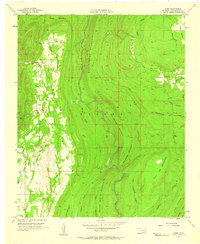 1957 Jumbo1958 Print · USGSPushmataha County in the late fifties was a landscape of prominent ridges and creek-fed valleys. Genealogists and historians can trace the settlement at Jumbo and search for family landmarks near Wildhorse Creek or the Oil Wells scattered through the southern hills.4 unique versions available
 - 1957 Map of Lane NE, 1958 Print
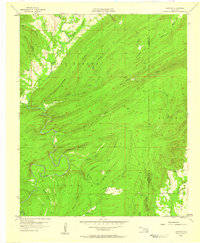 1957 Lane NE1958 Print · USGSThe Atoka and Pushmataha county line runs through these wooded hills in the late fifties, where small communities follow the creek beds. Trace early homesteads and rural landmarks like the Impson Ch (Abandoned), the Cem, and the winding McGee Creek.3 unique versions available
 - 1961 Map of Darwin, 1963 Print
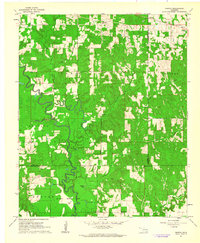 1961 Darwin1963 Print · USGSSoutheastern Oklahoma’s river bottoms and timberlands are captured here in the early sixties as small farming communities thrived. Local researchers can map the grounds of the Mc Leod Honor Farm or find family roots near Darwin Ch and Old Farris.2 unique versions available
 - 1961 Map of Antlers East, 1963 Print
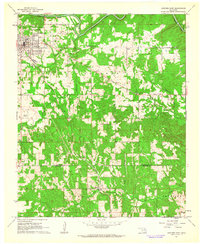 1961 Antlers East1963 Print · USGSAntlers and the rural southeast Oklahoma countryside are captured here in the early sixties, showing the area's transition from town to timberland. Genealogists and local historians can trace family locations near Hamden, Dela, and the Odd Fellows Cem.2 unique versions available
 - 1961 Map of Antlers West, 1963 Print
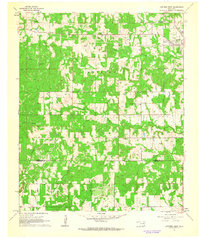 1961 Antlers West1963 Print · USGSPushmataha County is captured here in the early sixties, showing the rural landscape around the town of Antlers. Genealogists and historians can trace local landmarks like Edwards Cem or follow the ST LOUIS SAN FRANCISCO rail line.2 unique versions available
 - 1962 Map of McAlester
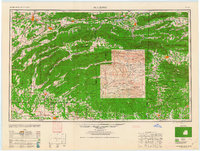 1962 McAlester1962 Print · USGSSoutheastern Oklahoma and western Arkansas are shown here during the early sixties, a time of transition for the region's mountain communities and timberlands. Researchers can trace the paths of the Kansas City Southern RR through Heavener or locate settlements like Talihina and Broken Bow near the Kiamichi Mountains.2 unique versions available
 - 1962 Map of Sobol, 1964 Print
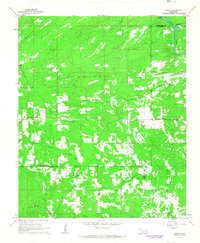 1962 Sobol1964 Print · USGSThe Kiamichi Mountains and the Little River valley are captured here in the early sixties as rural Oklahoma life centered on small settlements and timber. Trace family roots at Ringold Cem and Sobol Cem, or locate landmarks like the Sobol Lookout Tower.3 unique versions available
 - 1962 Map of Caney Mountain, 1964 Print
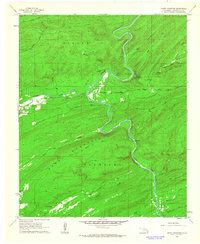 1962 Caney Mountain1964 Print · USGSPushmataha County's mountainous interior was defined by the winding Little River and remote ridges during the early sixties. Genealogists and local historians can trace legacy landmarks like East Cloudy Sch, Caney Creek Sch, and the Billy Bell Trail.3 unique versions available
 - 1962 Map of Alikchi, 1964 Print
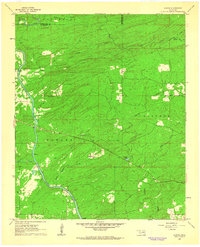 1962 Alikchi1964 Print · USGSMcCurtain and Pushmataha counties are documented here in the early sixties, showing a landscape shaped by the winding Little River. Researchers can locate the Wilson Chapel Cem, the settlement of Ringold, and natural landmarks like Alikchi Spring and Tucker Lake.3 unique versions available
 - 1962 Map of Signal Mountain, 1964 Print
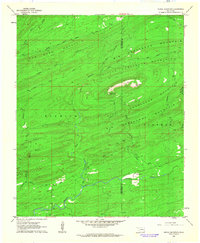 1962 Signal Mountain1964 Print · USGSThe peaks of the Oklahoma highlands are captured here in the early sixties, showing a wilderness landscape before modern development. Researchers can trace the winding Harry Rowe Trail, the Signal Mountain Lookout Tower, and the remote Brannon Ranch.3 unique versions available
 - 1965 Map of McAlester
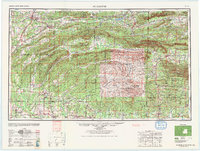 1965 McAlester1965 Print · USGSSoutheastern Oklahoma and western Arkansas appear here in the mid-1960s, showing the intersection of the timber industry and the growing reservoir system. Genealogists can trace family roots through settlements like Antlers, Idabel, and Kiowa or follow the historic routes of the Kansas City Southern Ry.3 unique versions available
Showing maps 1-25 of 227
Top cities of Pushmataha County
Frequently asked questions
- What are the different types of historical maps available for Pushmataha County?
- What is the oldest map of Pushmataha County?
- Where can I purchase historical maps of Pushmataha County for my home or office?
- Where can I download high-res historical maps of Pushmataha County?
- Are there historical topographic maps available for Pushmataha County?
- Is there historical aerial imagery available for Pushmataha County?
- Where are historical maps of Pushmataha County sourced from?