Old Maps of Howe, Texas for Academic Research
Study the evolution of Howe with 30 high-resolution historic maps. Whether you're teaching, researching, or modeling changes in land use, these maps provide essential visual documentation of urban, environmental, and geographic change.
- Analyze long-term change: Track patterns in development, transportation, and natural features.
- Ideal for environmental or urban studies: Support academic projects with primary historical map data.
- Use in the classroom or lab: Educators and researchers rely on these maps to bring historical context to life.
These maps are a powerful tool for teaching, research, and visualizing how Howe has changed over the decades.
Howe, TX maps
(30)- 1901 Map of Denison
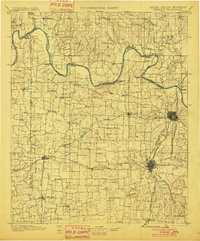 1901 Denison1901 Print · USGSThe Red River valley in the final years of the Indian Territory era was a landscape of river crossings and rail expansion. Genealogists and historians can trace the early transit networks through Willis Ferry, Cedar Mills, and the Colbert Bridge.4 unique versions available
 - 1954 Map of Sherman, 1964 Print
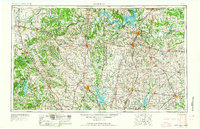 1954 Sherman1964 Print · USGSThe Red River valley and North Texas plains are captured here in the mid-fifties, showing the region as new reservoirs like Lake Texoma and Lavon Reservoir reshaped the land. Genealogists can trace family roots through specific local landmarks like Courtney P O, Pilot Grove Sch, and New Hope Ch.2 unique versions available
 - 1958 Map of Dorchester, 1959 Print
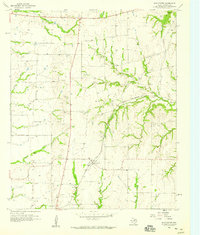 1958 Dorchester1959 Print · USGSGrayson County in the late fifties was a landscape of rail-connected farming communities and prairie creek beds. Genealogists and historians can trace the paths of the St Louis Southwestern railroad through Dorchester and identify old sites like Norman or Motor.2 unique versions available
 - 1958 Map of Sherman, 1959 Print
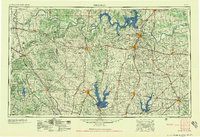 1958 Sherman1959 Print · USGSNorth Texas and Southern Oklahoma were undergoing significant development in the late fifties as the Red River Valley transit networks matured. Researchers can trace historic family-named locations such as Saddler Bend, the grounds of Perrin AFB, and early shoreline developments at Lake Texoma.
 - 1958 Map of Sherman, 1959 Print
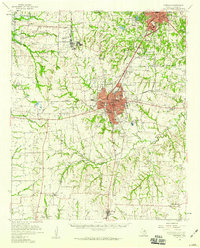 1958 Sherman1959 Print · USGSGrayson County was a critical rail hub in the late fifties, dominated by the sprawling Perrin Air Force Base. Researchers can trace the lines of four major railroads and locate historic sites like Austin College, Luella Cem, and Hagerman Ch.
 - 1958 Map of Howe, 1959 Print
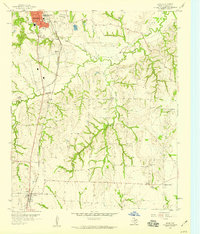 1958 Howe1959 Print · USGSGrayson County's agricultural and transit corridors are captured here in the late fifties. Researchers can trace the path of the St Louis-San Francisco and Southern Pacific Railroad and locate family burial sites like Akers Cem and White Mound Cem.3 unique versions available
 - 1961 Map of Gunter, 1963 Print
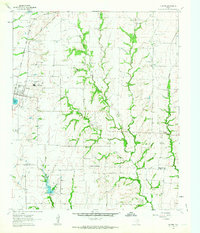 1961 Gunter1963 Print · USGSThis early 1960s survey of the North Texas prairies captures the border between Grayson and Collin counties as the rural landscape began its modern shift. Genealogists and local historians can locate several family burial grounds, including Smallwood Cem and Forbis Cem, and trace the path of the ST LOUIS SAN FRANCISCO railroad.2 unique versions available
 - 1961 Map of Van Alstyne, 1963 Print
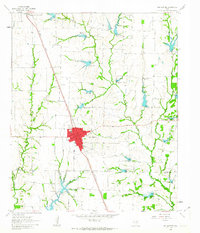 1961 Van Alstyne1963 Print · USGSGrayson and Collin counties are captured here in the early sixties as agricultural life and the railroad define the landscape. Genealogists can trace family names at Morris Cem and Baker Cem or locate the rural Sister Grove Ch along the winding prongs of the local creeks.2 unique versions available
 - 1985 Map of McKinney
 1985 McKinney1985 Print · USGSNorth Texas in the mid-1980s was a landscape of rural communities connected by a complex web of railroads and creek systems. Researchers can trace family roots through settlements like Westminster, find local landmarks like Henslee Chapel, or map the industrial activity at various Gravel Pits.2 unique versions available
 - 1985 Map of Sherman, 1991 Print
 1985 Sherman1991 Print · USGSThe borderlands of North Texas and Southern Oklahoma are captured here in the mid-eighties, centered on the expansive waters of Lake Texoma. Researchers can trace the legacy of the regional rail economy through the Missouri-Kansas-Texas RR or explore the geography of Hagerman National Wildlife Refuge and Carpenters Bluff.
 - 2010 Map of Van Alstyne, 2010 Print
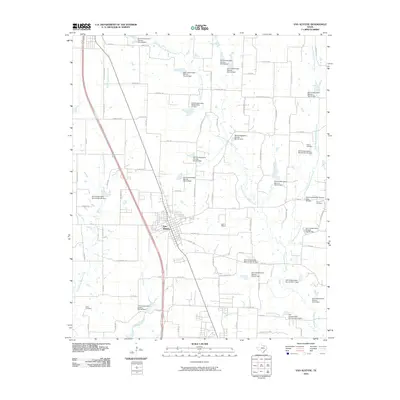 2010 Van Alstyne2010 Print · USGSVan Alstyne and its surrounding rural landscapes are captured here at the start of the 2010s. Researchers can locate family landmarks like Baker Cemetery or Morris Cemetery and trace the many water management sites along Hurricane Creek and Sister Grove Creek.
 - 2010 Map of Gunter, 2010 Print
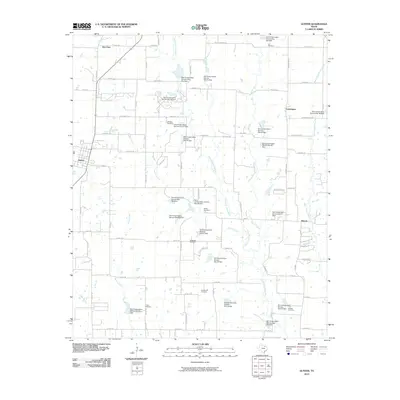 2010 Gunter2010 Print · USGSNorth Texas at the start of the second decade of the millennium shows a landscape shaped by water management and rural heritage. Researchers can locate numerous family burial sites like Whitaker Cemetery and Smallwood Cemetery or trace the early paths of Little Elm Creek and Clarks Branch.
 - 2010 Map of Howe, 2010 Print
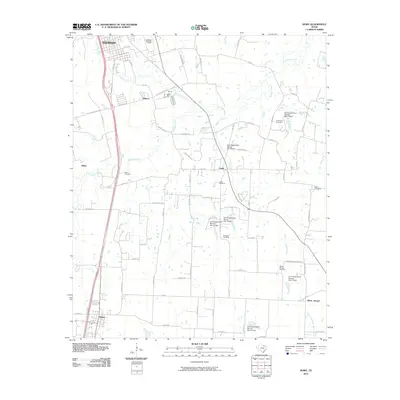 2010 Howe2010 Print · USGSGrayson County near the turn of the decade shows the expanding reach of Sherman alongside traditional rural settlements. Researchers can trace family history through numerous landmarks like Akers Cemetery, White Mound, and Tribune.
 - 2010 Map of Dorchester, 2010 Print
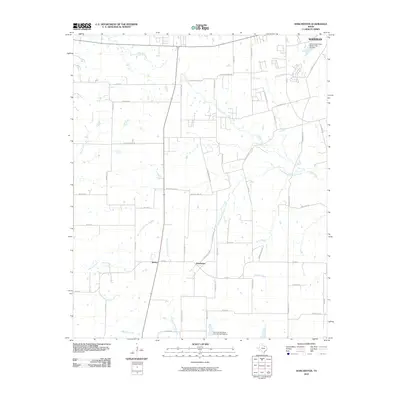 2010 Dorchester2010 Print · USGSGrayson County at the start of the 21st century remains a landscape of rolling prairies and vital headwaters. Researchers can trace historic transit corridors like Old Preston Rd and find rural landmarks such as Sperry, Dorchester, and Squirrel Creek.
 - 2013 Map of Gunter, 2013 Print
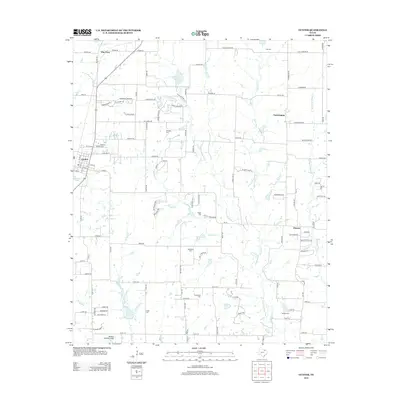 2013 Gunter2013 Print · USGSGunter and the surrounding plains of North Texas appear here at a moment of continued rural character and agricultural significance. Researchers can trace family sites through numerous landmarks like Whitaker Cem, Warden Cem, and the historic settlement at Farmington.
 - 2013 Map of Van Alstyne, 2013 Print
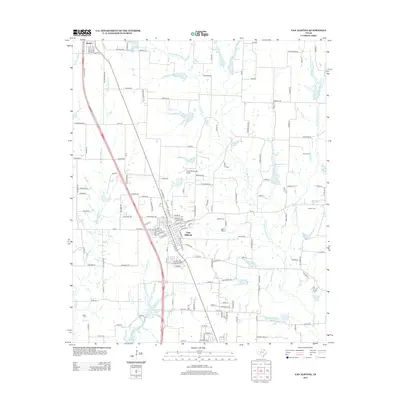 2013 Van Alstyne2013 Print · USGSThe northern edge of the Blackland Prairie is captured here in the early twenty-first century as Van Alstyne and Howe grew along the primary highway corridor. Genealogists can locate family burial sites at Morris Cem, Cannon Cem, and Baker Cem.
 - 2013 Map of Dorchester, 2013 Print
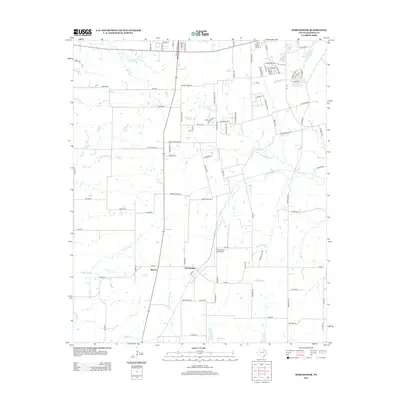 2013 Dorchester2013 Print · USGSTexas blackland prairie country south of Sherman appears here in the early twenty-first century as a landscape of rural crossroads and creek-side settlements. Genealogists can trace property boundaries and routes like Old Preston Rd near Dorchester or locate McKinstry Springs along the Choctaw Cr drainage.
 - 2013 Map of Howe, 2013 Print
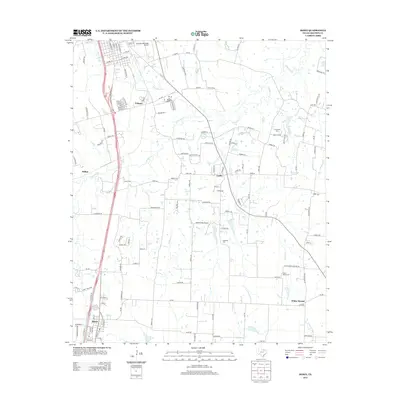 2013 Howe2013 Print · USGSHowe and the rural expanses of Grayson County are captured here in the early twenty-first century as suburban growth meets agricultural roots. Genealogists and historians can locate numerous local burial grounds such as Holloway Cem and Providence Cem, alongside the small community at Luella.
 - 2016 Map of Howe, 2016 Print
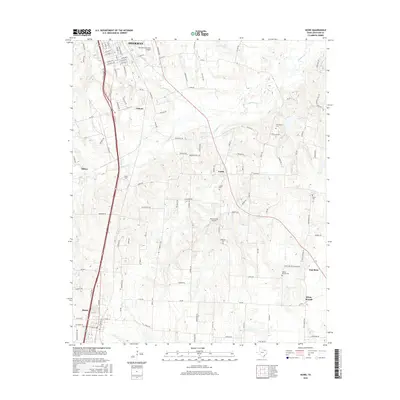 2016 Howe2016 Print · USGSGrayson County in the mid-2010s shows the persistent rural character of north Texas between the growing hubs of Sherman and Howe. Researchers can locate numerous family burial sites such as White Mound Cem and Providence Cem, alongside small communities like Luella and Tom Bean.
 - 2016 Map of Van Alstyne, 2016 Print
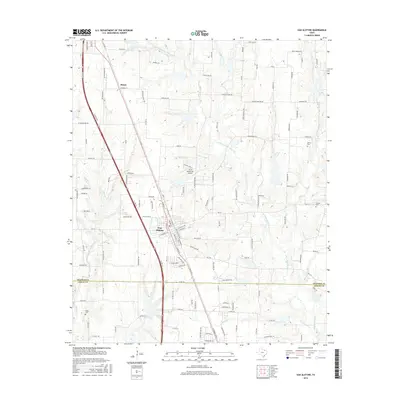 2016 Van Alstyne2016 Print · USGSThe North Texas communities of Van Alstyne and Howe are captured here during a period of modern expansion along the Grayson-Collin county line. Genealogists and local historians can trace family locations through rural landmarks like Morris Cem, Baker Cem, and the winding course of Hurricane Cr.
 - 2016 Map of Dorchester, 2016 Print
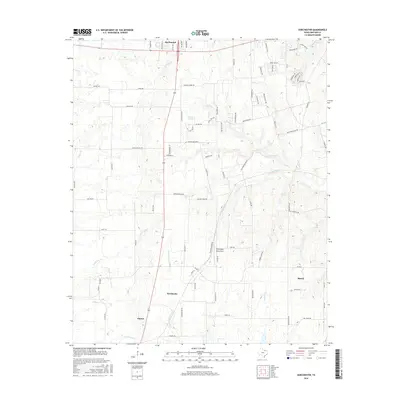 2016 Dorchester2016 Print · USGSGrayson County's rural character and transition toward modern aviation are captured here during the mid-2010s. Genealogists and local historians can trace legacy transport routes like Old Preston Rd and find landmarks such as McKinstry Springs or the TXAerosport Aerodrome.
 - 2016 Map of Gunter, 2016 Print
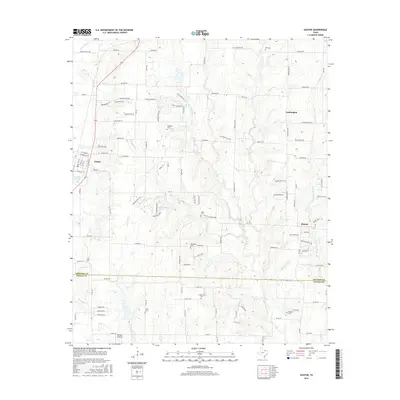 2016 Gunter2016 Print · USGSGrayson and Collin counties appear here in the mid-2010s, showing a rural Texas landscape at the edge of regional growth. Genealogists can locate several historic burial sites like Warden Cem and Forbis Cem near settlements like Gunter and Elmont.
 - 2019 Map of Howe, 2019 Print
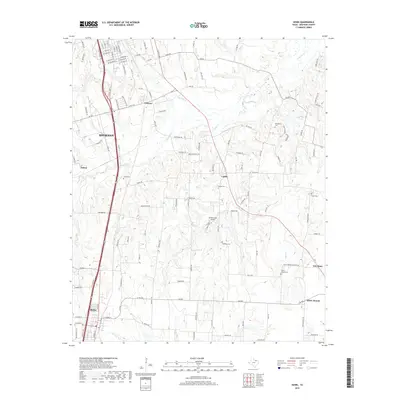 2019 Howe2019 Print · USGSGrayson County's agricultural heartland and growing suburban fringe are captured here during the late 2010s. Local historians can trace family roots through numerous burial sites like White Mound Cem and Holloway Cem or locate the former community centers of Luella and Tom Bean.
 - 2019 Map of Van Alstyne, 2019 Print
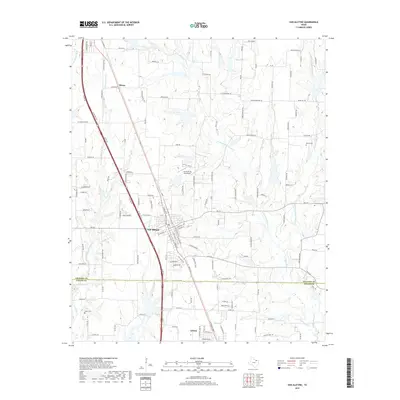 2019 Van Alstyne2019 Print · USGSThis North Texas survey covers the growth of Van Alstyne and Anna during a period of modern expansion. Researchers can trace family history through local landmarks like Taylor Cemetary and Morris Cem or map the waterways of Hurricane Creek.
 - 2019 Map of Gunter, 2019 Print
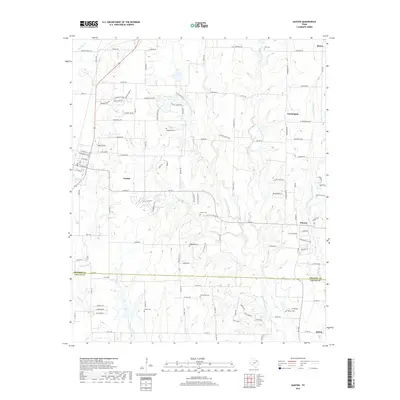 2019 Gunter2019 Print · USGSThe North Texas borderlands between Grayson and Collin counties are captured here in the late 2010s. Genealogists can trace family heritage at Hall Cem and Whitaker Cem or locate old community centers like Elmont and Farmington.
Showing maps 1-25 of 30
Top cities near Howe
- McKinney historical maps
- Sherman historical maps
- Denison historical maps
- Anna historical maps
- Melissa historical maps
- Celina historical maps
See more
Frequently asked questions
- What are the different types of historical maps available for Howe?
- What is the oldest map of Howe?
- Where can I purchase historical maps of Howe for my home or office?
- Where can I download high-res historical maps of Howe?
- Are there historical topographic maps available for Howe?
- Is there historical aerial imagery available for Howe?
- Where are historical maps of Howe sourced from?