1970s Maps of Hartley County, Texas
Explore 31 historic maps of Hartley County from the 1970s. These maps offer a rare glimpse into what life looked like during the 1970s — showing old roads, neighborhoods, homes, and landmarks that have changed or disappeared over time.
Whether you're researching your family's past, planning a metal detecting trip, or studying how Hartley County's landscape evolved across the 1970s, these high-resolution maps are a powerful tool for exploring the history of this region.
- Focus on a specific era: All maps on this page are from the 1970s, giving you a focused view of this time period.
- See what’s changed: Compare century-old streets, trails, and buildings to today's modern landscape using overlays and satellite layers.
- Research with precision: Use these maps for genealogy, historical research, land use analysis, or educational projects.
- View, download, or print: Maps are fully viewable online in high resolution, and can be downloaded or printed for your own records.
Start exploring Hartley County's history through authentic maps from the 1970s. This is your window into the past.
Hartley County, TX maps
(31)- 1970 Map of Sedan SE, 1973 Print
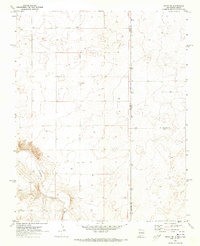 1970 Sedan SE1973 Print · USGSThe high plains along the border of New Mexico and Texas are captured here during the 1970 field check. Researchers can locate the isolated Shaha Cem and trace the path of Tramperos Creek across the county lines of Union, Dallam, and Hartley.
 - 1971 Map of Koger Ranch, 1973 Print
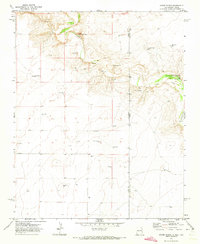 1971 Koger Ranch1973 Print · USGSThe high-plains ranching country along the New Mexico and Texas border comes into focus in the early seventies. Genealogists and historians can trace essential water sources and family-named landmarks like Koger Ranch, Daughty Well, and the fishing spots at Bass Hole.
 - 1971 Map of Middle Water, 1973 Print
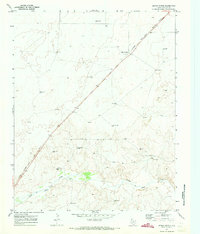 1971 Middle Water1973 Print · USGSHartley County ranching country is shown here in the early seventies, centered on the vital rail stop at Middle Water. Trace the local water infrastructure and land use through features like Dammier Ranch, Punta de Agua Creek, and the Red Windmill.
 - 1971 Map of Romero SE, 1973 Print
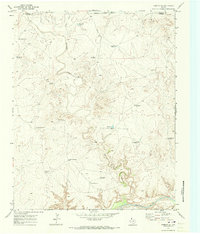 1971 Romero SE1973 Print · USGSThe Texas Panhandle breaks along the Canadian River are documented here in the early seventies, showing a ranching landscape centered on remote water sources. Researchers can trace the ranching infrastructure of the era through sites like Old Santa Fe Windmill, East Chavez Windmill, and Horseshoe Tank.
 - 1971 Map of Doyle Hill, 1973 Print
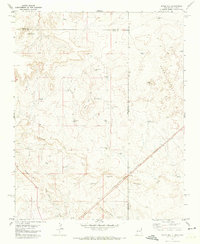 1971 Doyle Hill1973 Print · USGSThe high plains of the New Mexico-Texas border come into focus in the early seventies, showing a ranching landscape tied to the railroad. Genealogists and historians can trace family-named water sources like Patterson Well or Millican Well and locate isolated landmarks such as the Grave near the SAND HILLS.
 - 1971 Map of Amistad SE, 1973 Print
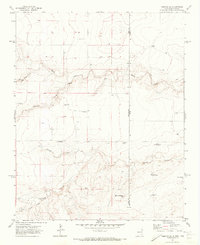 1971 Amistad SE1973 Print · USGSHigh plains ranching life at the New Mexico and Texas border comes into focus in the early 1970s. Trace old family water sources like Poteet Well and Whatley Well near the small settlement of Centerville.
 - 1971 Map of Syndicate Hills, 1973 Print
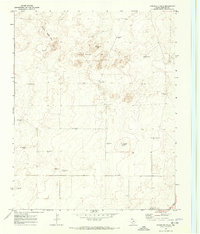 1971 Syndicate Hills1973 Print · USGSHartley County ranching land is documented here in the early seventies, showcasing a high-plains landscape dependent on deep wells. Researchers can locate specific water points and homesteads like McCrory Ranch, Mildred Lake, and the C R I & P railroad line.
 - 1971 Map of Bivins Channing Ranch, 1973 Print
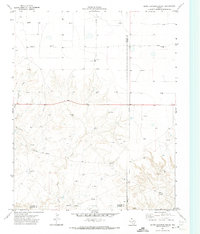 1971 Bivins Channing Ranch1973 Print · USGSTexas Panhandle ranching and energy production intersect in the early seventies at the junction of Hartley, Moore, and Oldham Counties. Researchers can trace land use at the Bivins Channing Ranch, the settlement of Heldon, and numerous Gas Wells.2 unique versions available
 - 1971 Map of Beck Ranch, 1973 Print
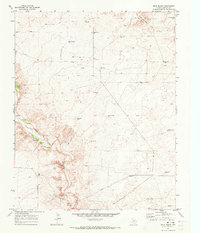 1971 Beck Ranch1973 Print · USGSHartley County ranching operations are documented here in the early 1970s, showing a landscape of scattered camps and essential water sources. Genealogists and historians can trace the sites of Beck Ranch and U Bar Camp or locate dozens of named wells like Reynolds Well and T O Well.
 - 1971 Map of Proctor Ranch, 1973 Print
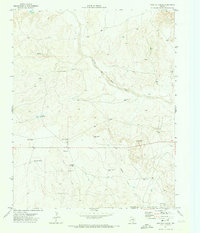 1971 Proctor Ranch1973 Print · USGSThe Texas Panhandle ranching landscape comes into focus in the early seventies, centered on the Proctor Ranch. Genealogists and researchers can trace local landmarks like Punta de Agua Creek and family-named sites such as Cruz Windmill.
 - 1971 Map of Nara Visa, 1973 Print
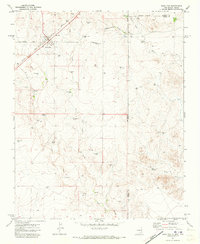 1971 Nara Visa1973 Print · USGSThe ranching landscape of Quay County is documented here in the early 1970s, as the railroad still shaped the high plains. Genealogists and historians can trace family-named water sources like Jones Well and McAlister Well near Nara Visa.
 - 1971 Map of Whiteaker Ranch, 1973 Print
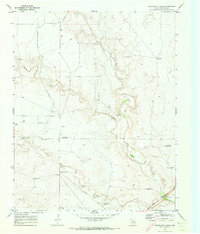 1971 Whiteaker Ranch1973 Print · USGSHartley County ranching country is captured here during the early seventies, showing a landscape shaped by water rights and the rail lines. You can trace the Chicago Rock Island and Pacific railroad and locate named water sources like Little Sandy Well and Whiteaker Ranch.
 - 1971 Map of Knoblaw, 1973 Print
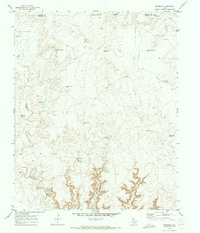 1971 Knoblaw1973 Print · USGSThe high plains of the Texas Panhandle were a landscape of managed water and vast ranches in the early 1970s. Researchers can trace land use through a network of named sites like Thousand Dollar Dam, Chisum Spring, and the Trujillo Well.2 unique versions available
 - 1971 Map of Channing NW, 1973 Print
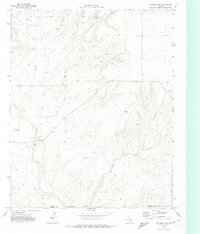 1971 Channing NW1973 Print · USGSHartley County at the start of the 1970s reveals a ranching landscape structured by its water sources and county lines. Genealogists and historians can trace old landmarks like Flats Windmill and the drainage of Rita Blanca Creek across the high plains.
 - 1971 Map of Spring Creek Ranch, 1973 Print
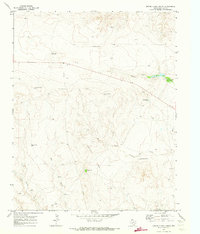 1971 Spring Creek Ranch1973 Print · USGSHartley County ranching country is captured here in the early 1970s, showcasing the essential water infrastructure of the Texas Panhandle. Genealogists and historians can locate family landmarks like Spring Creek Ranch and Houghton Ranch, or trace cattle-country life through Little Nelson Windmill and Buttermilk Tank.
 - 1971 Map of Many Post Camp, 1974 Print
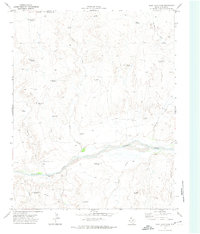 1971 Many Post Camp1974 Print · USGSThe Texas Panhandle in the early seventies remained a landscape of isolated ranching outposts and river crossings. Researchers can trace the water-dependent economy of the region through landmarks like Many Post Camp, the Old Farm Crossing, and Oil Well Spring.
 - 1971 Map of Channing, 1974 Print
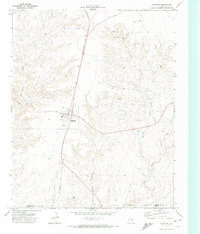 1971 Channing1974 Print · USGSThe Texas Panhandle town of Channing is captured in the early seventies as a rail-centered community on the edge of a growing energy landscape. Researchers can trace the Fort Worth and Denver line, find the local Cem, and see the Rodeo Ground.
 - 1971 Map of Romero, 1974 Print
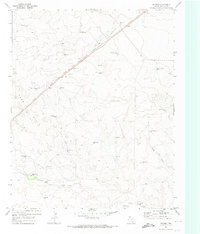 1971 Romero1974 Print · USGSThe ranchlands of Hartley County are captured here in the early seventies, dominated by the railroad and rolling sand dunes. Genealogists and historians can locate family landmarks like Castleberry Ranch, the outpost at Romero, and Bull Spring.
 - 1971 Map of Humdinger Spring, 1974 Print
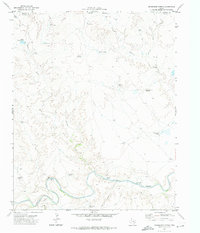 1971 Humdinger Spring1974 Print · USGSThe Texas Panhandle cattle country of the early seventies is mapped here along the winding Canadian River and the Hartley-Oldham county line. Researchers can trace old livestock routes and water sources, from Humdinger Spring to river fords like Partwood Crossing.
 - 1971 Map of Pedarosa Camp, 1974 Print
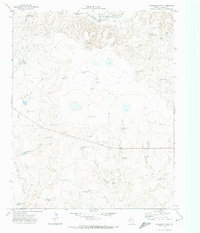 1971 Pedarosa Camp1974 Print · USGSRanching life in the Texas Panhandle during the early seventies relied on a vast network of water points and remote camps. Trace the locations of isolated landmarks like Pedarosa Camp, Full Blood Windmill, and the spring-fed Pedarosa Creek.
 - 1972 Map of Hartley SW, 1975 Print
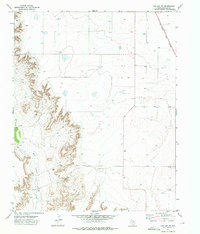 1972 Hartley SW1975 Print · USGSHartley County at the start of the 1970s shows a landscape of expansive cattle country and steep canyon breaks. Genealogists and historians can trace the Fort Worth and Denver line, locate the Hartley Cem, and find the small settlement at Collins.
 - 1973 Map of Pardue Camp, 1975 Print
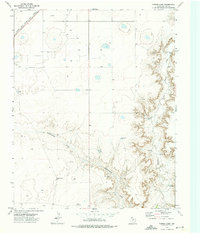 1973 Pardue Camp1975 Print · USGSHartley County ranching and rail operations are captured here in the early 1970s. Researchers can trace the isolated outposts of Pardue Camp and Bishop Camp or locate water sources like Sandfield Well along Cottonwood Draw.
 - 1973 Map of King SW, 1975 Print
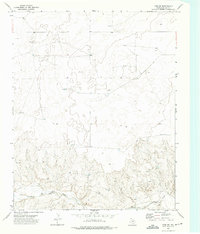 1973 King SW1975 Print · USGSHartley County ranching lands and high plains drainage are documented here in the early 1970s. Researchers can locate specific pastoral landmarks and small-scale industry such as McMordie Pens, the community of Finch, and Punta de Agua Creek.
 - 1973 Map of Hartley, 1975 Print
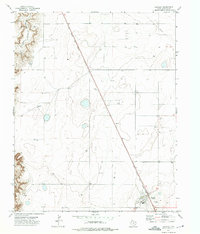 1973 Hartley1975 Print · USGSThe High Plains of Hartley County come into focus in the mid-1970s, where the local economy centers on the rail lines and cattle culture. Researchers can trace the town’s layout near the Rodeo Ground and follow the Fort Worth and Denver railroad across Rita Blanca Creek.
 - 1973 Map of King, 1975 Print
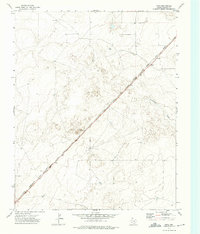 1973 King1975 Print · USGSHartley County at the dawn of the seventies shows a landscape shaped by the iron rail and the search for water. Researchers can trace the diagonal route of the CHICAGO ROCK ISLAND AND PACIFIC railroad through the settlements of King and Rehm.
Showing maps 1-25 of 31
Top cities of Hartley County
Frequently asked questions
- What are the different types of historical maps available for Hartley County?
- What is the oldest map of Hartley County?
- Where can I purchase historical maps of Hartley County for my home or office?
- Where can I download high-res historical maps of Hartley County?
- Are there historical topographic maps available for Hartley County?
- Is there historical aerial imagery available for Hartley County?
- Where are historical maps of Hartley County sourced from?