1960s Maps of Fauquier County, Virginia
Explore 19 historic maps of Fauquier County from the 1960s. These maps offer a rare glimpse into what life looked like during the 1960s — showing old roads, neighborhoods, homes, and landmarks that have changed or disappeared over time.
Whether you're researching your family's past, planning a metal detecting trip, or studying how Fauquier County's landscape evolved across the 1960s, these high-resolution maps are a powerful tool for exploring the history of this region.
- Focus on a specific era: All maps on this page are from the 1960s, giving you a focused view of this time period.
- See what’s changed: Compare century-old streets, trails, and buildings to today's modern landscape using overlays and satellite layers.
- Research with precision: Use these maps for genealogy, historical research, land use analysis, or educational projects.
- View, download, or print: Maps are fully viewable online in high resolution, and can be downloaded or printed for your own records.
Start exploring Fauquier County's history through authentic maps from the 1960s. This is your window into the past.
Fauquier County, VA maps
(19)- 1961 Map of Washington
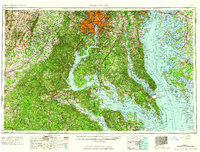 1961 Washington1961 Print · USGSThe mid-Atlantic region in the late fifties is presented in remarkable detail, from the Blue Ridge foothills to the Chesapeake Eastern Shore. Researchers can trace historic river landings and military sites like Mount Vernon, Fort Belvoir, and Point Lookout.2 unique versions available
 - 1961 Map of Baltimore
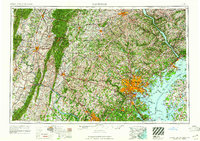 1961 Baltimore1961 Print · USGSMaryland and Pennsylvania are captured at a mid-century peak of industrial and military expansion. Genealogists and historians can trace rail corridors like the Western Maryland Ry or locate regional landmarks such as Camp Detrick and Kent Island.
 - 1961 Map of Sperryville, 1962 Print
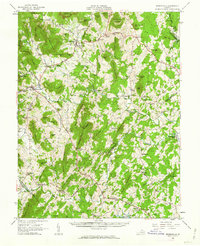 1961 Sperryville1962 Print · USGSVirginia's Piedmont and the Blue Ridge foothills come alive in this early 1960s survey of Rappahannock and Culpeper counties. Genealogists and historians can trace numerous milling communities like Monumental Mills and Peola Mills alongside local landmarks such as Hope Hill Chapel.2 unique versions available
 - 1966 Map of Brandy Station, 1968 Print
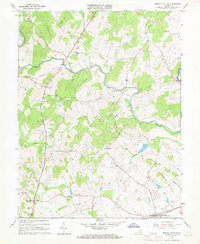 1966 Brandy Station1968 Print · USGSBrandy Station and the surrounding Virginia Piedmont are captured here in the mid-sixties, showing a landscape defined by its river forks and rail corridor. Genealogists and historians can trace old community hubs like Lakota, the Rixeyville Sch, and prominent landmarks such as Fleetwood Hill.3 unique versions available
 - 1966 Map of Storck, 1968 Print
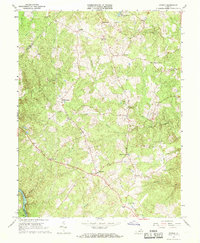 1966 Storck1968 Print · USGSStafford County is shown in the mid-1960s as a landscape of small crossroads and rural churches. Researchers can trace family-named locations like Skidmore Corner and Roseville, or find local community centers such as Richland Ch and Hartwood.4 unique versions available
 - 1966 Map of Warrenton, 1968 Print
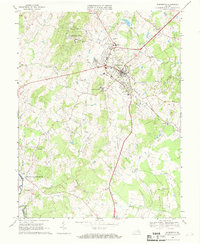 1966 Warrenton1968 Print · USGSWarrenton and its surrounding Fauquier County countryside appear here in the mid-sixties as a blend of traditional crossroads and emerging military infrastructure. Local historians can trace the Southern rail line to Meetze or find family landmarks like Fauquier White Sulphur Springs and Our Saviour Ch.4 unique versions available
 - 1966 Map of Linden, 1968 Print
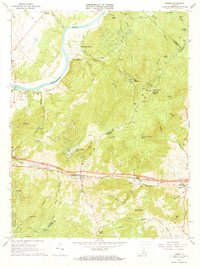 1966 Linden1968 Print · USGSThe Blue Ridge mountain passes of Warren and Fauquier counties are captured here in the mid-1960s. Genealogists and hikers can trace the Appalachian Trail across Blue Mountain or locate old community centers like Linden, Markham, and Mt Paran Ch.5 unique versions available
 - 1966 Map of Flint Hill, 1968 Print
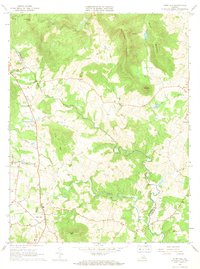 1966 Flint Hill1968 Print · USGSThe Rappahannock River valley remains deeply rural in the mid-sixties, characterized by small farming hamlets and prominent Blue Ridge foothills. Researchers can trace the original paths of the Appalachian Trail, locate Rockland Cem, and explore landmarks like Wakefield Manor and Willis Chapel.2 unique versions available
 - 1966 Map of Somerville, 1969 Print
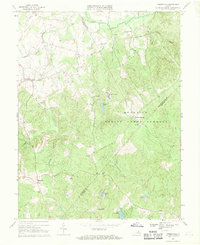 1966 Somerville1969 Print · USGSNorthern Virginia's rural landscape meets military expansion in the mid-sixties, capturing a territory defined by small hamlets and training grounds. Genealogists can trace family names at Cromwell Cem and Tacketts Mill, or locate old crossroads like Sowego.4 unique versions available
 - 1966 Map of Remington, 1969 Print
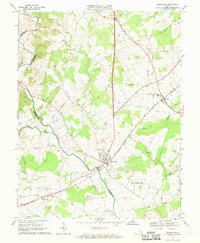 1966 Remington1969 Print · USGSThe Rappahannock River border between Fauquier and Culpeper counties comes alive in this mid-sixties survey. Researchers can trace rural lineages through local landmarks like Cedar Grove Cem, Payne Sch, and the depot at Remington.4 unique versions available
 - 1966 Map of Thoroughfare Gap, 1969 Print
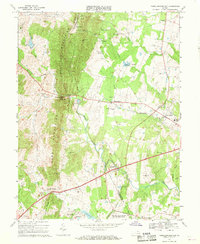 1966 Thoroughfare Gap1969 Print · USGSPrince William and Fauquier counties are captured here in the mid-1960s as the railroad and highways thread through the Bull Run Mountains. Researchers can locate several rural landmarks including Beverley Mill, the Antioch-McCrae Sch, and the Vint Hill Farms Station Military Reservation.3 unique versions available
 - 1966 Map of Catlett, 1969 Print
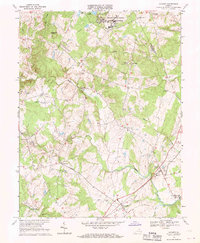 1966 Catlett1969 Print · USGSMid-century Fauquier and Prince William counties are shown here as a landscape of rural crossroads and military installations. Genealogists can trace family roots through numerous country sites like Oak Shade Ch, Balls Mill, and the settlement of Casanova.2 unique versions available
 - 1966 Map of Jeffersonton, 1969 Print
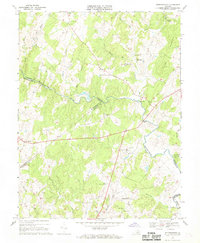 1966 Jeffersonton1969 Print · USGSMid-century Virginia Piedmont life is centered on the Rappahannock River borderlands between Culpeper and Fauquier Counties. Genealogists can trace family names and local landmarks through several rural churches like Wesley Chapel and the historic settlement at Jeffersonton.3 unique versions available
 - 1966 Map of Nokesville, 1969 Print
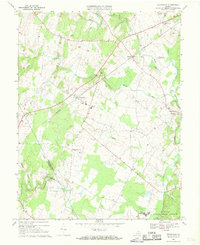 1966 Nokesville1969 Print · USGSPrince William County in the mid-1960s remained a landscape of rural crossroads and river-fed farmland. Genealogists and local historians can trace the foundations of Nokesville, Brentsville, and Aden, alongside landmarks like Daniels Mill and Valley View Cem.5 unique versions available
 - 1967 Map of Chester Gap, 1968 Print
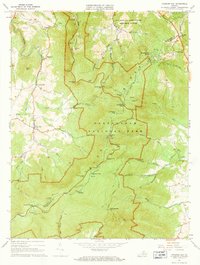 1967 Chester Gap1968 Print · USGSThe Blue Ridge high country is captured here in the late sixties, where the nascent Blue Ridge Mts Estates meets the established wilderness of the national park. Genealogists and hikers can trace the Appalachian Trail past Boyds Mill, Browntown Ch, and the Williams Cem.2 unique versions available
 - 1967 Map of Midland, 1969 Print
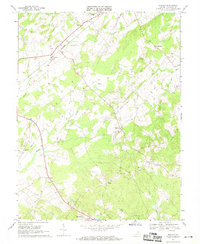 1967 Midland1969 Print · USGSMidland and the surrounding Fauquier County countryside are captured here in the late sixties as the rail-and-creek economy still defined the area. Genealogists can locate family landmarks like the John Marshall Birthplace, Ensors Shop, and the Franklin Mine.3 unique versions available
 - 1968 Map of Richardsville, 1970 Print
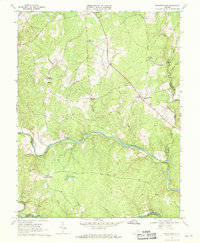 1968 Richardsville1970 Print · USGSUpper Piedmont life in the late sixties is centered around the confluence of the Rappahannock River and Rapidan River. Genealogists and local historians can locate rural landmarks such as Goldvein, Richardsville, and Clevers Oak Ch.3 unique versions available
 - 1968 Map of Germanna Bridge, 1970 Print
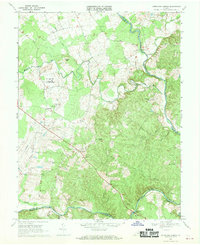 1968 Germanna Bridge1970 Print · USGSIn the late sixties, the river country between Culpeper and Fauquier counties remained a landscape of rural stores and strategic river crossings. You can trace family roots and old routes through Kellys Ford, Lignum, and the family-named Edwards Shop.2 unique versions available
 - 1968 Map of Middleburg, 1970 Print
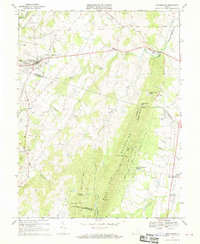 1968 Middleburg1970 Print · USGSNorthern Virginia's equestrian heartland and the rocky ridges of the Bull Run Mountains appear here in the late sixties. Researchers can locate several burial grounds like Sharon Cemetery and historic rural hubs such as Aldie and Halfway.3 unique versions available
End of results
Showing maps 1-19 of 19
Top cities of Fauquier County
- Warrenton historical maps
- Bealeton historical maps
- Marshall historical maps
- Remington historical maps
- Opal historical maps
- Catlett historical maps
See more
Frequently asked questions
- What are the different types of historical maps available for Fauquier County?
- What is the oldest map of Fauquier County?
- Where can I purchase historical maps of Fauquier County for my home or office?
- Where can I download high-res historical maps of Fauquier County?
- Are there historical topographic maps available for Fauquier County?
- Is there historical aerial imagery available for Fauquier County?
- Where are historical maps of Fauquier County sourced from?