Old Maps of New Haven, Wisconsin for Academic Research
Study the evolution of New Haven with 32 high-resolution historic maps. Whether you're teaching, researching, or modeling changes in land use, these maps provide essential visual documentation of urban, environmental, and geographic change.
- Analyze long-term change: Track patterns in development, transportation, and natural features.
- Ideal for environmental or urban studies: Support academic projects with primary historical map data.
- Use in the classroom or lab: Educators and researchers rely on these maps to bring historical context to life.
These maps are a powerful tool for teaching, research, and visualizing how New Haven has changed over the decades.
New Haven, WI maps
(32)- 1948 Map of Downing, 1970 Print
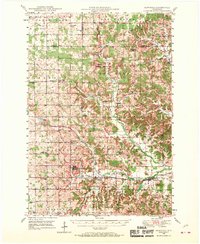 1948 Downing1970 Print · USGSWestern Wisconsin's agricultural and rail heartland is captured here in the late 1940s, centered on the villages of the Tiffany Creek valley. Genealogists can trace family roots through dozens of rural landmarks like Beaver Valley Sch, Graytown, and Immanuel Ch.
 - 1950 Map of Downing
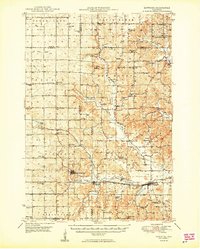 1950 Downing1950 Print · USGSWisconsin's dairy and timber heartland is captured here just after the war, centered on the rail-linked towns of Glenwood City and Boyceville. Genealogists can trace family roots through numerous country schools like Peaceful Valley and local landmarks like Chimney Rock.
 - 1953 Map of Stillwater, 1980 Print
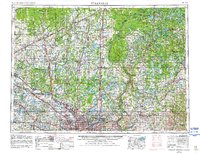 1953 Stillwater1980 Print · USGSThe Twin Cities and the St. Croix Valley are captured in this mid-century survey as the interstate era began to transform the Upper Midwest. Genealogists and historians can trace the rail-and-river geography of Stillwater, locate landmarks in Anoka, or explore the sprawling St Croix State Park.
 - 1955 Map of Stillwater, 1965 Print
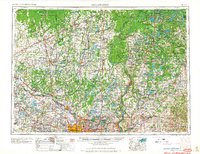 1955 Stillwater1965 Print · USGSThe Upper St. Croix Valley and the growing Twin Cities area are shown here during the mid-fifties, before the interstate era transformed the regional commute. You can trace the lines of the Northern Pacific RR through towns like Rush City or locate the Saint Croix Indian Reservation.
 - 1958 Map of Stillwater
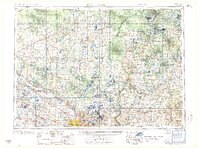 1958 Stillwater1958 Print · USGSThe Upper Mississippi and St. Croix River valleys appear in the mid-fifties as the Twin Cities expanded north. Genealogists can locate family landmarks like Oak Park Cem, Saint Michael Church, and the Soo Line RR rail corridors.2 unique versions available
 - 1965 Map of Stillwater
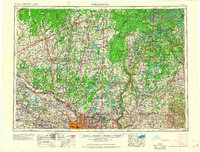 1965 Stillwater1965 Print · USGSThe Twin Cities and the St. Croix Valley are mapped here during a period of significant post-war growth and industrial transit. Genealogists and historians can trace rail lines like the Northern Pacific RR through towns such as Rush City, Amery, and Balsam Lake.
 - 1975 Map of Stillwater
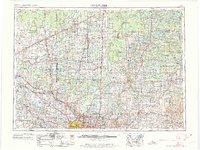 1975 Stillwater1975 Print · USGSThe Twin Cities and the St. Croix Valley are captured in the mid-seventies, showing the urban growth of Minneapolis and St Paul. Researchers can trace old rail corridors of the Northern Pacific RR and locate tribal lands at the Mille Lacs Indian Reservation.2 unique versions available
 - 1975 Map of Connorsville, 1978 Print
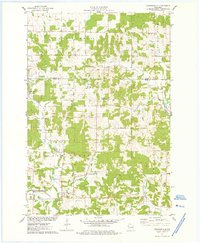 1975 Connorsville1978 Print · USGSDunn and Barron Counties are captured in the mid-seventies, showing a network of rural hamlets and winding waterways. Genealogists can locate family sites like Akers Cem and New Haven Cem or trace the early paths of Sheridan Rd.
 - 1975 Map of Boyceville, 1978 Print
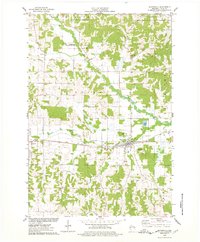 1975 Boyceville1978 Print · USGSThe rural landscape of Dunn County is captured here in the mid-seventies as the SOO LINE still connects the farming communities. Researchers can trace the village layouts of Boyceville and Downing or locate rural sites like Mound Cem and Holy Trinity Ch.
 - 1975 Map of Graytown, 1978 Print
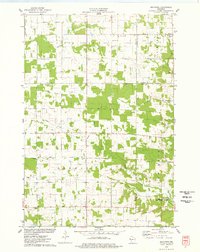 1975 Graytown1978 Print · USGSSmall farming settlements and the headwaters of the Willow River define this western Wisconsin region in the mid-seventies. Genealogists can trace family footprints at Sunnyside Sch, Reeve, and the Old Grade Railroad.
 - 1975 Map of Glenwood City, 1978 Print
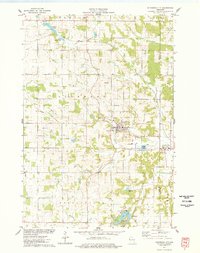 1975 Glenwood City1978 Print · USGSGlenwood City and the surrounding borderlands of St. Croix and Dunn counties are shown here in the mid-seventies, just as regional recreation was expanding. Trace the industrial landscape through various Gravel Pits or locate local landmarks like the Fairground, St Johns Cem, and the village of Downing.
 - 1985 Map of Stillwater
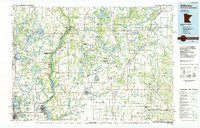 1985 Stillwater1985 Print · USGSThe St. Croix River valley in the mid-1980s reveals a borderland of river towns and conservation areas. Trace the rail lines of the Soo Line, locate the Minnesota State Prison, and explore the numerous wildlife areas like Cylon Marsh.2 unique versions available
 - 2010 Map of Glenwood City, 2010 Print
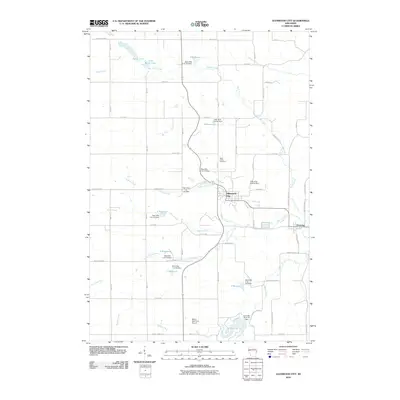 2010 Glenwood City2010 Print · USGSSaint Croix County at the start of the 2010s shows a landscape of established townships and extensive water management. Researchers can trace the layout of Glenwood City, locate Saint Johns Cemetery, and see the numerous dams and reservoirs along Tiffany Creek.
 - 2010 Map of Connorsville, 2010 Print
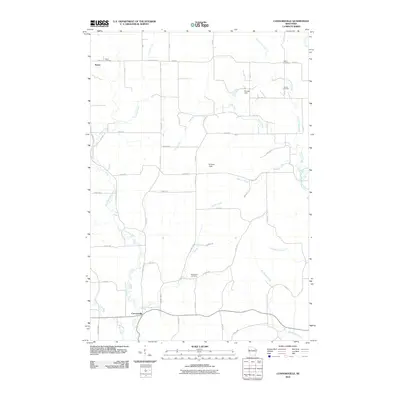 2010 Connorsville2010 Print · USGSWestern Barron County remains a quiet agricultural landscape of creek valleys and crossroads in the early twenty-first century. Genealogists and local historians can trace early settlement patterns through Reeve Cemetery, Solum Cemetery, and the hamlet of Connorsville.
 - 2010 Map of Boyceville, 2010 Print
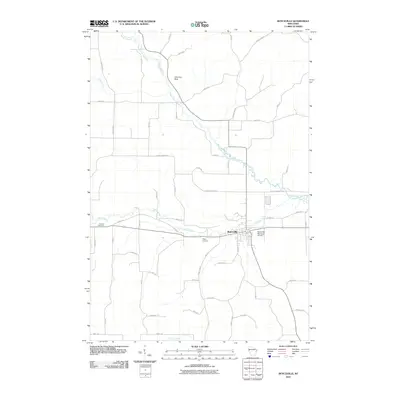 2010 Boyceville2010 Print · USGSBoyceville sits at the center of a dense network of river forks and country roads in rural Dunn County. Genealogists and local historians can trace property boundaries and visit Mound Cemetery, Tiffany Cemetery, and landmarks like Chimney Rock near the South Fork Hay River.
 - 2010 Map of Graytown, 2010 Print
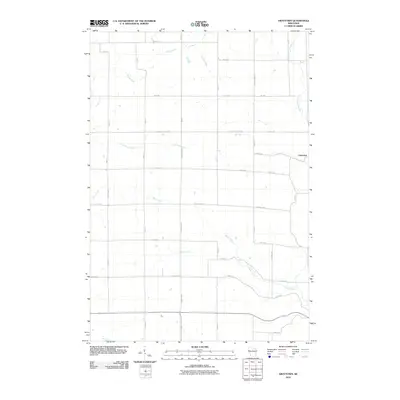 2010 Graytown2010 Print · USGSNorthwestern Wisconsin’s rural landscape is captured here at the start of the decade, centered on the small settlement of Graytown. Researchers can trace old property boundaries and drainage patterns along the Willow River, Wolf Creek, and Bolen Creek.
 - 2013 Map of Connorsville, 2013 Print
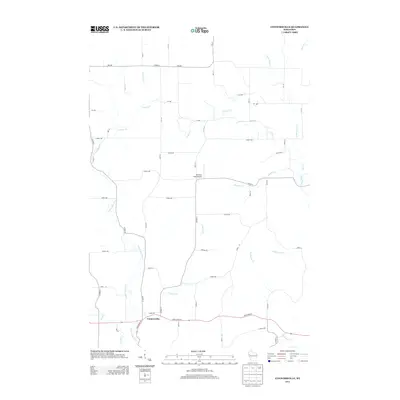 2013 Connorsville2013 Print · USGSConnorsville and the surrounding Barron County countryside are captured here in the early twenty-first century. Researchers can trace the local drainage of S Fork Hay River and Vance Cr or locate the rural Erickson Field Airport.
 - 2013 Map of Boyceville, 2013 Print
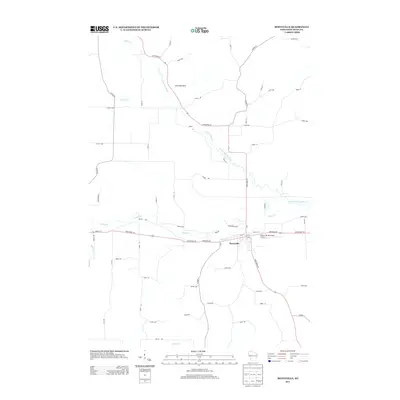 2013 Boyceville2013 Print · USGSBoyceville and its surrounding river valleys are captured here in the early twenty-first century as the area maintains its rural character. Genealogists and local historians can trace family lands along the South Fork Hay River or locate landmarks like Chimney Rock and the Boyceville Municipal Airport.
 - 2013 Map of Glenwood City, 2013 Print
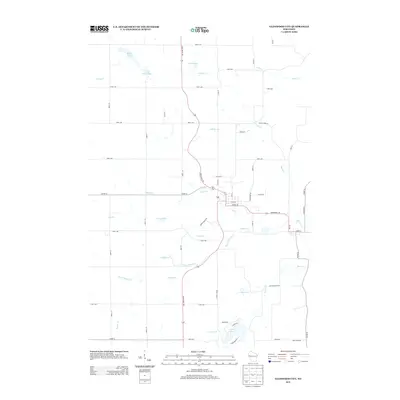 2013 Glenwood City2013 Print · USGSSaint Croix County at the start of the 2010s shows a landscape where vital water management meets rural recreation. Researchers can trace the winding paths of Tiffany Cr or locate specific lakeside features near Glen Lake 10 and Surrey Ridge Trl.
 - 2013 Map of Graytown, 2013 Print
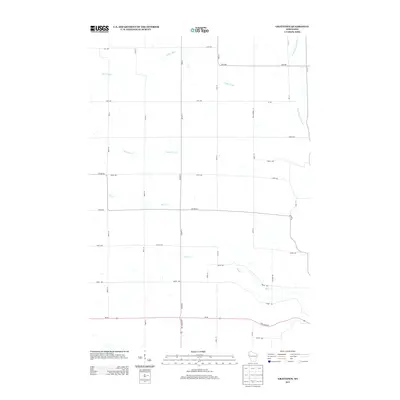 2013 Graytown2013 Print · USGSThis rural portion of Wisconsin near the Polk and Barron county line is shown as a quiet agricultural landscape in the 2010s. Genealogists and local historians can trace family land via the road grid and waterway networks like Willow River and Bolen Cr.
 - 2015 Map of Graytown, 2015 Print
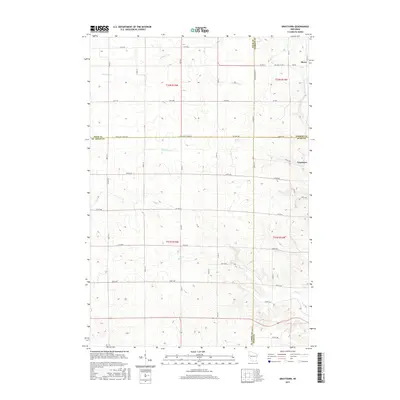 2015 Graytown2015 Print · USGSIn this 2015 study of the four-county border region, the settlements of Graytown and Reeve remain central to the local landscape. Researchers can trace the drainage patterns of Willow River and Jack Green Creek across a highly structured grid of section roads.
 - 2015 Map of Boyceville, 2015 Print
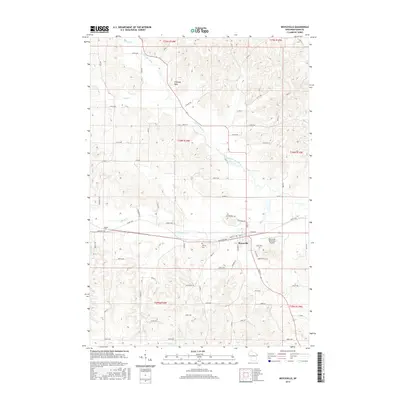 2015 Boyceville2015 Print · USGSBoyceville and the surrounding Dunn County ridges are captured here in the mid-2010s, showing a landscape shaped by the South Fork Hay River. Researchers can trace local lineages at Mound Cem or locate the distinct Chimney Rock landmark.
 - 2015 Map of Connorsville, 2015 Print
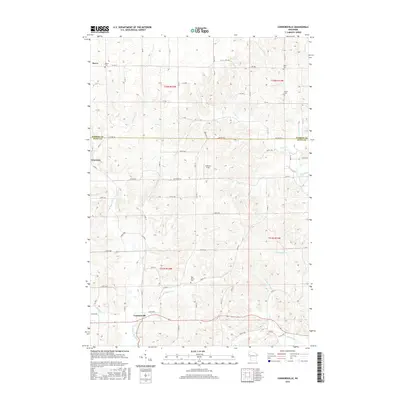 2015 Connorsville2015 Print · USGSThe rural borderlands of Barron and Dunn Counties are captured here in 2015, showing a landscape defined by the Hay River and its tributaries. Genealogists can trace family footprints at New Haven Cem or locate the small settlements of Reeve and Graytown.
 - 2015 Map of Glenwood City, 2015 Print
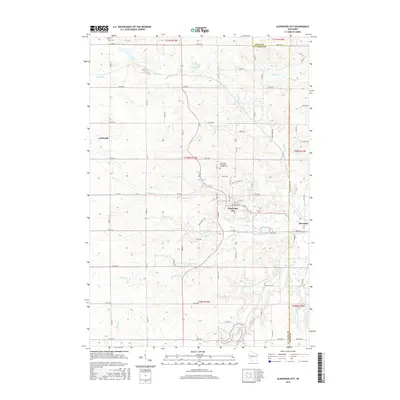 2015 Glenwood City2015 Print · USGSGlenwood City and the rural borderlands of St. Croix and Dunn Counties are documented here in the mid-2010s. Local researchers can trace the streets of Glenwood City, locate the Saint John the Baptist Catholic Cem, and explore the shoreline of Glen Lake.
 - 2018 Map of Boyceville, 2018 Print
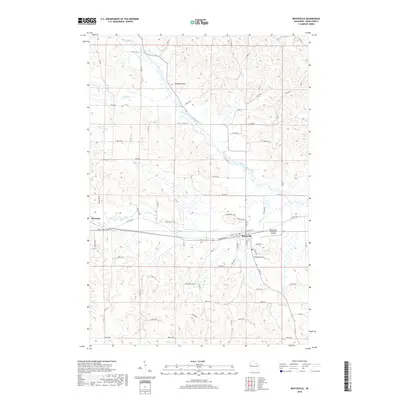 2018 Boyceville2018 Print · USGSBoyceville and Downing are documented here during the late twenty-teens, showing the intersection of rural agriculture and small-town infrastructure. Researchers can locate Mound Cem, the Boyceville Municipal Airport, and the winding South Fork Hay River.
Showing maps 1-25 of 32
Top cities near New Haven
- Barron historical maps
- Town of Tainter historical maps
- Tainter historical maps
- Red Cedar historical maps
- Woodville historical maps
- Glenwood City historical maps
See more
Top neighborhoods of New Haven
Frequently asked questions
- What are the different types of historical maps available for New Haven?
- What is the oldest map of New Haven?
- Where can I purchase historical maps of New Haven for my home or office?
- Where can I download high-res historical maps of New Haven?
- Are there historical topographic maps available for New Haven?
- Is there historical aerial imagery available for New Haven?
- Where are historical maps of New Haven sourced from?