Old Maps of Eisenstein, Wisconsin for Academic Research
Study the evolution of Eisenstein with 39 high-resolution historic maps. Whether you're teaching, researching, or modeling changes in land use, these maps provide essential visual documentation of urban, environmental, and geographic change.
- Analyze long-term change: Track patterns in development, transportation, and natural features.
- Ideal for environmental or urban studies: Support academic projects with primary historical map data.
- Use in the classroom or lab: Educators and researchers rely on these maps to bring historical context to life.
These maps are a powerful tool for teaching, research, and visualizing how Eisenstein has changed over the decades.
Eisenstein, WI maps
(39)- 1941 Map of Park Falls, 1952 Print
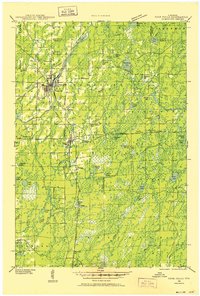 1941 Park Falls1952 Print · USGSPrice County in the early 1940s is shaped by the river-and-rail economy centered on Park Falls and Fifield. Researchers can trace old rural schoolhouses like Sugarbush Sch and forgotten rail stops at Coolidge and Lugerville.2 unique versions available
 - 1941 Map of Pike Lake, 1952 Print
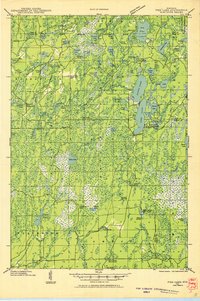 1941 Pike Lake1952 Print · USGSPrice County timberland and lake country are captured here at the end of the 1930s as the river-and-rail economy transitioned toward forest management. Genealogists and historians can locate the Riley Creek CCC Camp, the Shady Knoll Sch, and landmarks like the South Fork Fire Tower.3 unique versions available
 - 1941 Map of Kennedy, 1959 Print
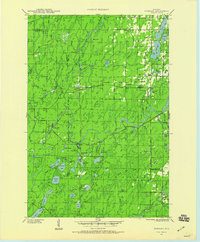 1941 Kennedy1959 Print · USGSIn the early 1940s, this portion of Price and Sawyer counties was a landscape of timber management and rail-side settlements. Genealogists can locate rural schoolhouses like Poplar Hill Sch and trace industrial sites such as Pixley Dam or the Old Mill Dam.2 unique versions available
 - 1942 Map of Pike Lake
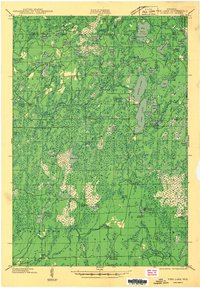 1942 Pike Lake1942 Print · USGSPrice County and the surrounding lake country are documented here in the early 1940s, showing a landscape shaped by timber and early recreation. Researchers can trace the Riley Creek CCC Camp, the Shady Knoll Sch, and landmarks like the South Fork Fire Tower.
 - 1943 Map of Park Falls
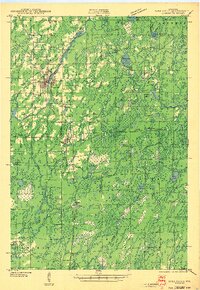 1943 Park Falls1943 Print · USGSPrice County timber and river life are frozen in time during the early 1940s, showing the early development of Park Falls and Fifield. Genealogists and historians can trace dozens of rural schoolhouses like Divine Rapids Sch and old landmarks like the Fifield Fire Tower.
 - 1945 Map of Kennedy
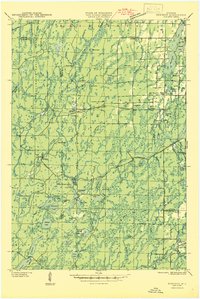 1945 Kennedy1945 Print · USGSThe Wisconsin Northwoods come alive in the 1940s, showing a landscape of timber, rail, and remote settlements. Genealogists and local historians can trace rural schoolhouses like Arnold Sch and family landmarks near Lugerville and Kaiser.2 unique versions available
 - 1947 Map of Park Falls
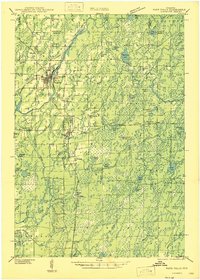 1947 Park Falls1947 Print · USGSThe Northwoods of Price County come alive in the 1940s, centered on the paper-milling hub of Park Falls and the Flambeau River. Genealogists and local historians can trace rural school districts like Sugarbush Sch or locate the site of the Fifield Fire Tower.
 - 1950 Map of Pike Lake
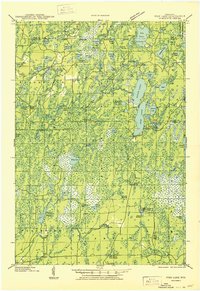 1950 Pike Lake1950 Print · USGSNorthern Wisconsin's timber and lake country comes to life in the mid-century, showing a landscape shaped by conservation and seasonal recreation. Local historians can trace the locations of the Riley Creek CCC Camp, Shady Knoll Sch, and numerous family-named landmarks like Patterson Lake.
 - 1953 Map of Rice Lake, 1967 Print
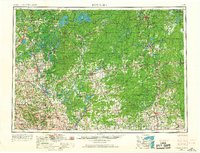 1953 Rice Lake1967 Print · USGSNorthwest Wisconsin during the mid-fifties reveals a landscape defined by timber, rail, and water. Genealogists and historians can trace the development of river towns like Ladysmith and Rice Lake along the Soo Line and Chicago and North Western railroads.2 unique versions available
 - 1959 Map of Rice Lake
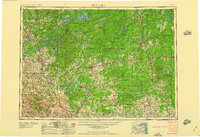 1959 Rice Lake1959 Print · USGSNorthwest Wisconsin in the late fifties was a land of expanding road networks and deep-seated timber history. Genealogists and historians can trace rail lines like the Soo Line RR and Chicago St Paul Minneapolis and Omaha Ry as they link settlements from Spooner to Medford.
 - 1968 Map of Park Falls, 1971 Print
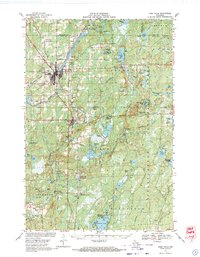 1968 Park Falls1971 Print · USGSPark Falls and Fifield sit at the heart of the northern timber country in the late sixties, where the Flambeau River meets a dense network of rail lines. Researchers can trace historic logging routes like the SMITH GRADE or locate local landmarks such as Nola Cem and Solberg Lake County Park.2 unique versions available
 - 1968 Map of Park Falls NE, 1985 Print
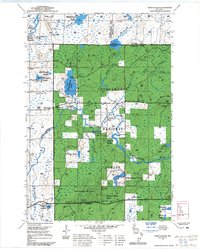 1968 Park Falls NE1985 Print · USGSThe Flambeau River wilderness in Price County is captured here in the late sixties, highlighting the deep integration of forestry and recreation. Researchers can trace the layout of the Wintergreen Ski Trails and find landmarks like Sugarbush Dam and Blockhouse Lake.
 - 1970 Map of Butternut Lake, 1972 Print
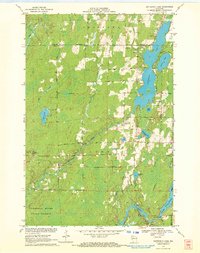 1970 Butternut Lake1972 Print · USGSThe Price County timberlands and lakefronts are frozen in time just as the seventies began. Researchers can trace the Chicago and North Western rail route or locate local landmarks like the Kennedy Lookout Tower and Pixley Dam.
 - 1971 Map of Pike Lake NW, 1973 Print
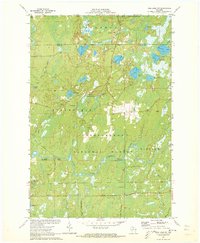 1971 Pike Lake NW1973 Print · USGSPrice and Iron counties appear here in the early seventies, dominated by the timberlands of the Chequamegon National Forest. Genealogists and outdoorsmen can trace the South Fork Flambeau River past Smith Rapids Campground and identify seasonal sites like Camp Nine Springs.3 unique versions available
 - 1980 Map of Park Falls
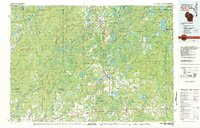 1980 Park Falls1980 Print · USGSNorthern Wisconsin's timber and rail corridor is meticulously detailed here in the early eighties. Researchers can trace the Soo Line through forest-bound towns like Park Falls, Phillips, and Lugerville while exploring the vast Chequamegon National Forest.
 - 1984 Map of Park Falls
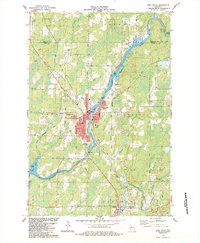 1984 Park Falls1984 Print · USGSPark Falls and the surrounding Northwoods landscape appear here during the mid-eighties, centered on the river's industrial power. Researchers can trace the Soo Line rail corridor, locate Nola Cem, and explore the settlement at Lymantown.
 - 1984 Map of Blockhouse Lake
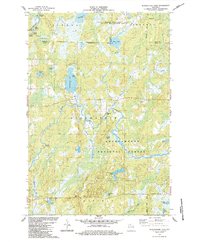 1984 Blockhouse Lake1984 Print · USGSNorthern Wisconsin's timberlands and river systems are shown in great detail during the 1980s. You can trace the winding South Fork Flambeau River past Sugarbush Dam and locate secluded camps near Blockhouse Lake and Iodine Lake.
 - 2005 Map of Blockhouse Lake, 2006 Print
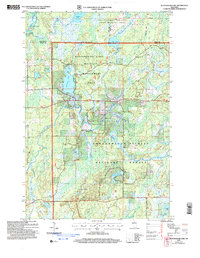 2005 Blockhouse Lake2006 Print · USGSWisconsin's Northwoods are captured here at the turn of the millennium, showing a landscape defined by managed wilderness and river drainage. You can trace the South Fork Flambeau River through its many rapids or locate quiet landings at Blockhouse Lake and Wintergreen Lake.
 - 2005 Map of Pike Lake NW, 2006 Print
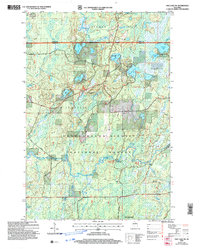 2005 Pike Lake NW2006 Print · USGSThe Northwoods of Price and Iron Counties are captured here in the early 2000s, showcasing a landscape of timber-era springs and river rapids. Trace local history at the Riley Creek Forest Work Camp or locate secluded landmarks like Newman Springs and Smith Rapids.
 - 2010 Map of Park Falls, 2010 Print
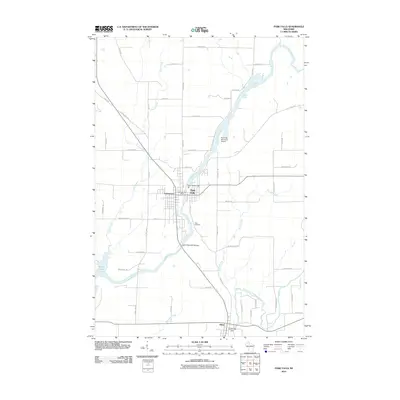 2010 Park Falls2010 Print · USGSPrice County's river-driven industry and Northwoods settlements are captured here during the early 21st century. Genealogists and local historians can trace family-named roads and landmarks from Park Falls and Lymantown to the Nola Cemetery and Cummings Dam.
 - 2010 Map of Butternut Lake, 2010 Print
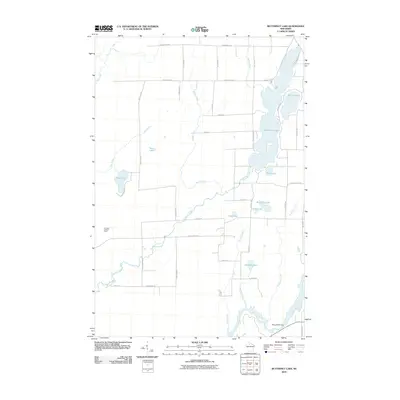 2010 Butternut Lake2010 Print · USGSAshland County's lake-filled backcountry is documented here during the early twenty-first century, showing the area's complex water system. Researchers can trace land access along County Hwy-B or locate landmarks like the Kennedy Lookout Tower and Pixley WP61 Dam.
 - 2011 Map of Pike Lake NW, 2011 Print
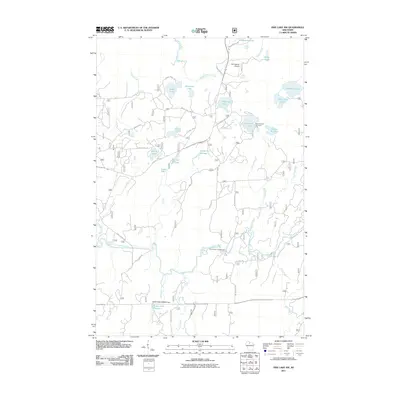 2011 Pike Lake NW2011 Print · USGSPrice County’s dense northwoods and glacial lake country are captured here in the early twenty-first century. Researchers can trace land and water management through features like the Robert Sells 3WR814 Dam and public spaces like Smith River Campground.
 - 2011 Map of Blockhouse Lake, 2011 Print
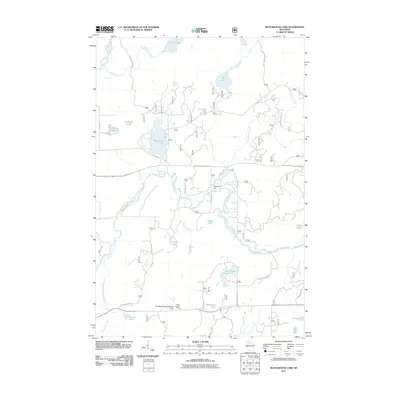 2011 Blockhouse Lake2011 Print · USGSIn the early 21st century, this Price County landscape centers on the managed forests and river systems near Fifield. Researchers can trace the path of the South Fork Flambeau River past the Sugarbush Dam and the Fifield Lookout Tower.
 - 2013 Map of Blockhouse Lake, 2013 Print
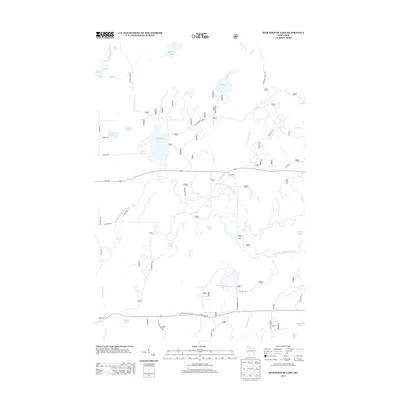 2013 Blockhouse Lake2013 Print · USGSThe Flambeau River country comes alive in this modern survey, showing a landscape defined by glacial lakes and whitewater rapids. Trace the river's path through The Ledge Rapids or locate landmarks like the Fifield Lookout Tower and Blockhouse Lake.
 - 2013 Map of Butternut Lake, 2013 Print
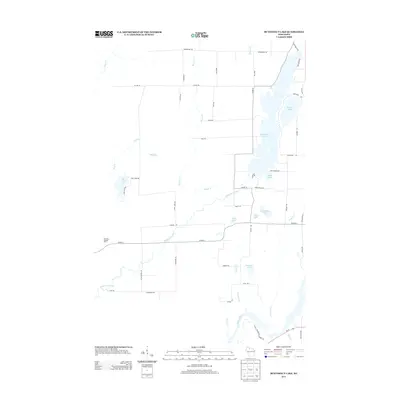 2013 Butternut Lake2013 Print · USGSNorthern Wisconsin's lake country is captured here during the early twenty-first century, showcasing a landscape defined by deep woods and glacial waters. Genealogists and local historians can trace family-named routes and landmarks like Weinberger Rd, Schnur Lake, and the Kennedy Lookout Tower.
Showing maps 1-25 of 39
Top cities near Eisenstein
Frequently asked questions
- What are the different types of historical maps available for Eisenstein?
- What is the oldest map of Eisenstein?
- Where can I purchase historical maps of Eisenstein for my home or office?
- Where can I download high-res historical maps of Eisenstein?
- Are there historical topographic maps available for Eisenstein?
- Is there historical aerial imagery available for Eisenstein?
- Where are historical maps of Eisenstein sourced from?