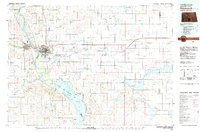
1979 Map of Bismarck
USGS Topo · Published 1980About this map
The Missouri River and its expansive floodplain dominate this Central North Dakota landscape, anchoring the twin cities of Bismarck and Mandan. By the late 1970s, the river valley shows the transition from historic military outposts like Fort Lincoln State Park and Fort Rice to a region defined by modern infrastructure and water management. The southern portion of the map is largely occupied by Lake Oahe and the State Game Management Area, reflecting the environmental shifts following the construction of downstream dams.
Find a feature on this map
75 named features on this map. Tap any name to fly to it.
Don’t see what you’re looking for? This feature index may not catch every label — zoom into the map to look around manually.
Map Details
Editions of this 1979 Bismarck Map
This is the sole edition of this map. No revisions or reprints were ever made.
Other maps of this area
1907 · Bismarck
USGS Topo · 1:125,000
1950 · Wilton
USGS Topo · 1:62,500
1950 · Bismarck
USGS Topo · 1:24,000
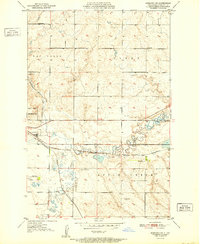
1951 · Menoken SW
USGS Topo · 1:24,000
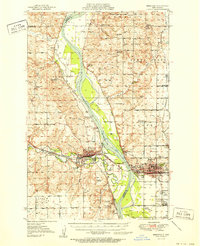
1951 · Bismarck
USGS Topo · 1:62,500
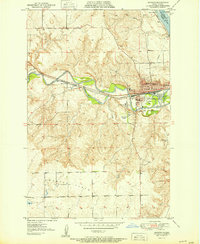
1951 · Mandan
USGS Topo · 1:24,000
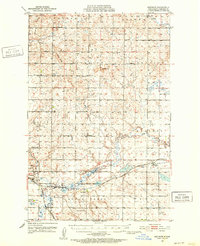
1951 · Menoken
USGS Topo · 1:62,500
1951 · McKenzie
USGS Topo · 1:62,500
1951 · Driscoll
USGS Topo · 1:62,500
1952 · Steele
USGS Topo · 1:24,000