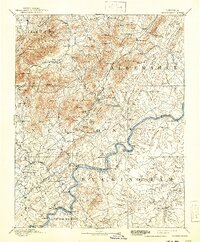
1892 Map of Buckingham
USGS Topo · Published 1941About this map
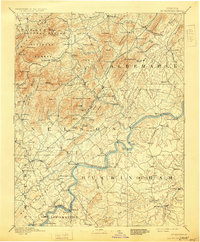
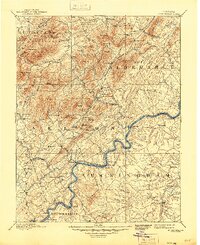
The Richmond and Alleghany Railroad traces the winding path of the river through this central Virginia landscape, connecting vital riverfront points like Browns Landing and Howardville. Surveyed by L.C. Fletcher in the late 19th century, the map reveals a region defined by its diverse terrain, from the ridges of the George Washington National Forest to the productive lowlands. Industrial and community markers are prominent, including the Soap Stone Quarry near Schuyler and local educational and spiritual hubs like the Klemburg School and Bagby Church. The county seat at Lovingston serves as a central point for the network of smaller settlements such as Faber Mills and Covesville, illustrating the transition from mountain-dependent economies to the rail-connected trade centers that flourished along the waterway corridors.
Find a feature on this map
149 named features on this map. Tap any name to fly to it.
Don’t see what you’re looking for? This feature index may not catch every label — zoom into the map to look around manually.
Map Details
Editions of this 1892 Buckingham Map
7 editions found
Other maps of this area
1891 · Palmyra
USGS Topo · 1:125,000
1891 · Farmville
USGS Topo · 1:125,000
1892 · Lynchburg
USGS Topo · 1:125,000
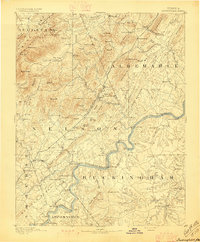
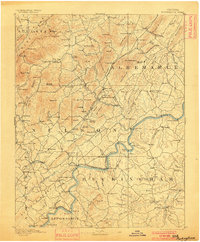
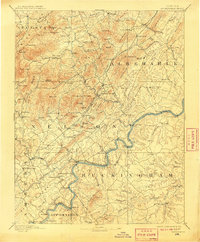
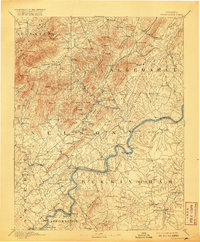
1892 · Buckingham
USGS Topo · 1:125,000
1892 · Appomattox
USGS Topo · 1:125,000
1892 · Gordonsville
USGS Topo · 1:125,000
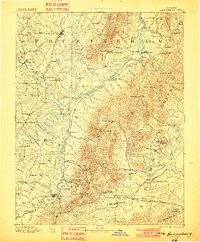
1892 · Harrisonburg
USGS Topo · 1:125,000
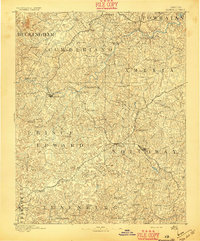
1893 · Farmville
USGS Topo · 1:125,000
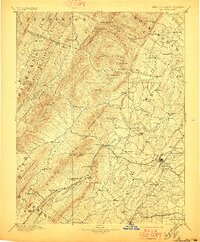
1894 · Staunton
USGS Topo · 1:125,000
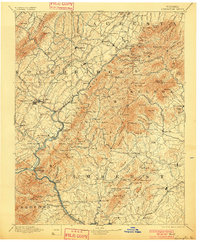
1894 · Lexington
USGS Topo · 1:125,000