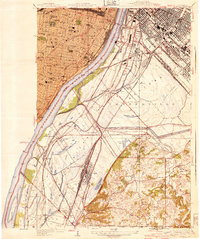
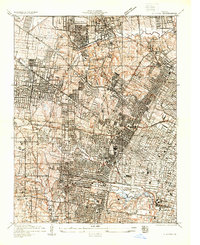
1940 Map of Cahokia
USGS Topo · Published 1940About this map
The industrial corridor of the Mississippi River south of St Louis defines this 1940 survey, showcasing a landscape dense with rail infrastructure and early-century manufacturing centers. On the Illinois side, the riverfront is dominated by Monsanto and the massive rail yards of the Terminal Railroad Association at Valley Junction. This era captures Cahokia before its suburban expansion, when it was still separated from the river by the Cahokia Slough and surrounded by numerous waterways like Lily Lake and Labras Lake.
Find a feature on this map
65 named features on this map. Tap any name to fly to it.
Don’t see what you’re looking for? This feature index may not catch every label — zoom into the map to look around manually.
Map Details
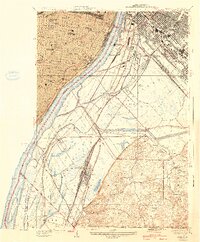
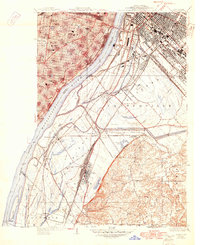
Editions of this 1940 Cahokia Map
3 editions found
Other maps of this area
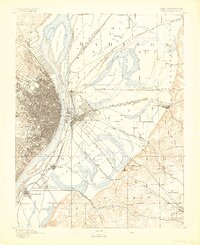
1888 · St. Louis
USGS Topo · 1:62,500
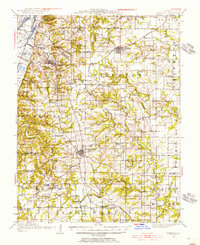
1910 · Waterloo
USGS Topo · 1:62,500
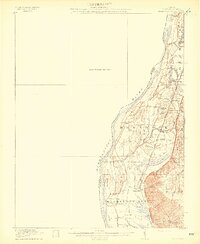
1912 · Kimmswick
USGS Topo · 1:62,500
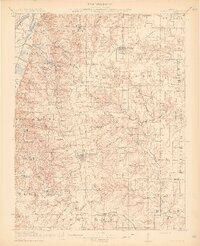
1913 · Waterloo
USGS Topo · 1:62,500
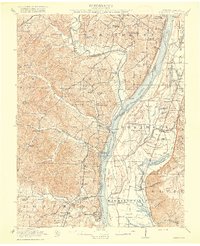
1916 · Kimmswick
USGS Topo · 1:62,500
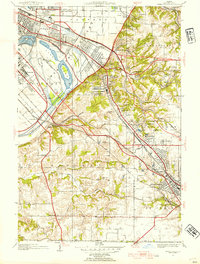
1931 · French Village
USGS Topo · 1:24,000
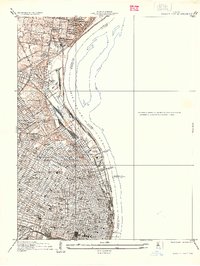
1933 · Granite City
USGS Topo · 1:24,000
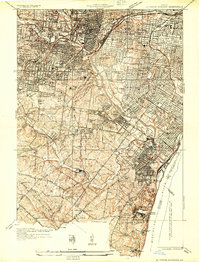
1933 · Jefferson Barracks
USGS Topo · 1:24,000
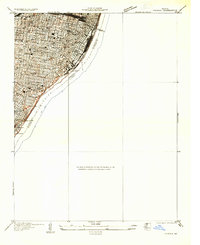
1933 · Cahokia
USGS Topo · 1:24,000
1933 · Clayton
USGS Topo · 1:24,000