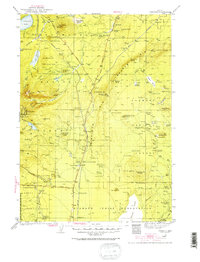
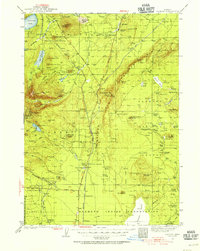
1935 Map of Chemult
USGS Topo · Published 1955About this map
The Klamath Indian Reservation anchors the southern portion of this 1930s landscape, a region defined by its volcanic geology and early twentieth-century infrastructure. The arrival of the Southern Pacific and Great Northern railroads transformed the high desert, establishing critical stops like Crescent Sta, Mowich, and Chemult. These rail lines supported a burgeoning timber and ranching economy, evidenced by the presence of Lumber Camp 1 and Lumber Camp 2, alongside established cattle operations such as the Knott Ranch and Hocy Ranch.
Find a feature on this map
110 named features on this map. Tap any name to fly to it.
Don’t see what you’re looking for? This feature index may not catch every label — zoom into the map to look around manually.
Map Details
Editions of this 1935 Chemult Map
5 editions found
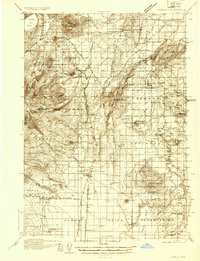
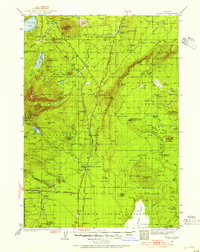
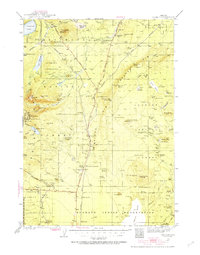
Other maps of this area
1889 · Klamath
USGS Topo · 1:250,000
1891 · Ashland
USGS Topo · 1:250,000
1893 · Ashland
USGS Topo · 1:250,000
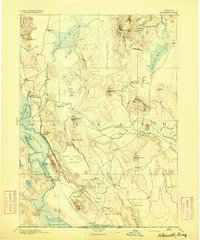
1894 · Klamath
USGS Topo · 1:250,000
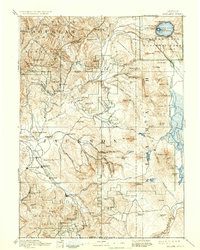
1897 · Ashland
USGS Topo · 1:250,000
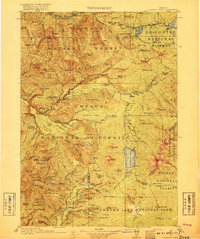
1917 · Diamond Lake
USGS Topo · 1:125,000
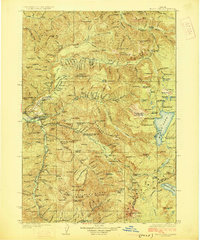
1925 · Waldo Lake
USGS Topo · 1:125,000
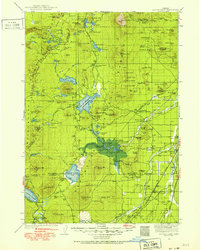
1930 · Maiden Peak
USGS Topo · 1:125,000
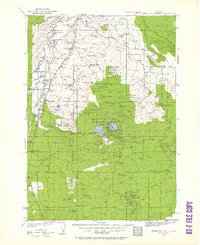
1931 · Newberry Crater
USGS Topo · 1:125,000
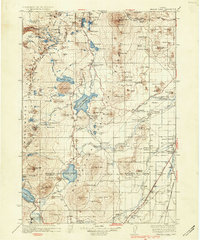
1934 · Maiden Peak
USGS Topo · 1:125,000