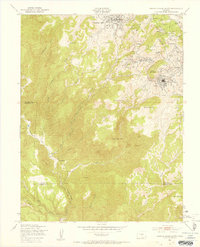
1951 Map of Cripple Creek South
USGS Topo · Published 1954About this map
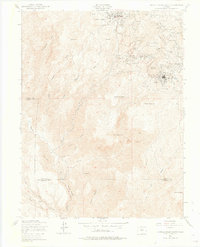
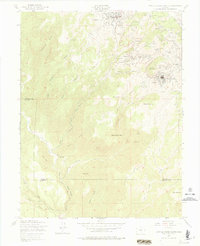
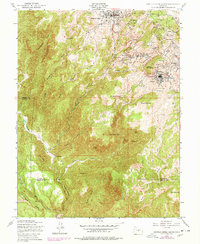
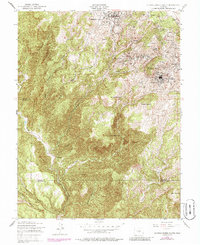
Cripple Creek and the high-altitude mining district of Teller County appear here in a period of industrial transition following the Second World War. The landscape is a dense network of extraction, characterized by dozens of named mines such as the Portland Mine and Golden Cycle Mine, connected by a complex topography of gulches and hills. The map illustrates the concentration of labor and infrastructure in settlements like Altman, Elkton, and Victor, while the sheer scale of the gold-mining operations is evidenced by the prominent Roosevelt Tunnel and Carlton Tunnel. These massive drainage projects reflect the engineering challenges of working deep beneath the surface near Squaw Mountain. To the south, the terrain descends into the canyons of Wilson Creek and Fourmile Creek, where the environment shifts toward more rural outposts like Marigold, providing a stark contrast to the industrial density of the northern gold fields.
Find a feature on this map
69 named features on this map. Tap any name to fly to it.
Don’t see what you’re looking for? This feature index may not catch every label — zoom into the map to look around manually.
Map Details
Editions of this 1951 Cripple Creek South Map
9 editions found
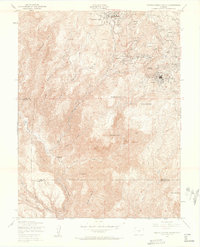
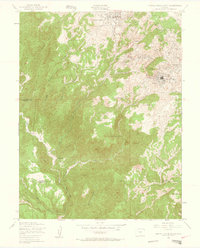
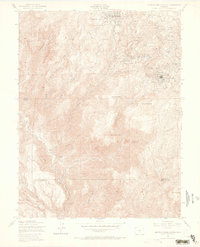
Other maps of this area
1894 · Pikes Peak
USGS Topo · 1:125,000
1901 · Pikes Peak
USGS Topo · 1:125,000
1901 · Pikes Peak
USGS Topo · 1:62,500
1942 · Cover Mtn.
USGS Topo · 1:62,500
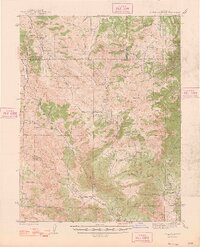
1948 · Cover Mtn.
USGS Topo · 1:62,500
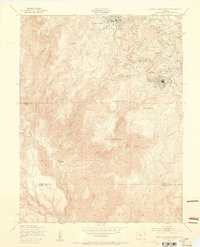
1951 · Cripple Creek South
USGS Topo · 1:24,000
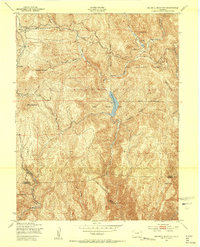
1951 · Big Bull Mountain
USGS Topo · 1:24,000
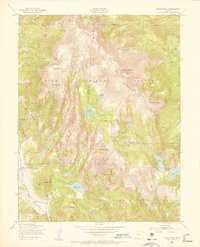
1951 · Pikes Peak
USGS Topo · 1:24,000
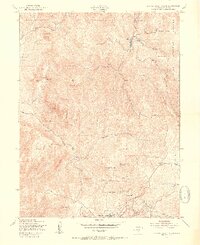
1951 · Cripple Creek North
USGS Topo · 1:24,000
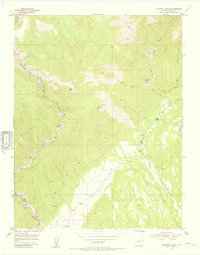
1954 · Phantom Canyon
USGS Topo · 1:24,000