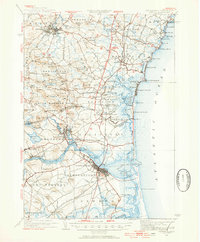
1932 Map of Exeter
USGS Topo · Published 1954About this map
Phillips Exeter Academy and the historic settlement of Exeter anchor the northwest corner of this coastal landscape, where the Squamscott River begins its winding path toward the Atlantic. The survey captures a transition in maritime life, documenting both the Newburyport Light and a U.S. Life Saving Station along the shifting sands of the Plum Island River. Farther inland, the industrial and educational foundations of the region are evident through institutions like Dearborn Academy and the extensive network of the Boston and Maine Railroad.
Find a feature on this map
142 named features on this map. Tap any name to fly to it.
Don’t see what you’re looking for? This feature index may not catch every label — zoom into the map to look around manually.
Map Details
Editions of this 1932 Exeter Map
4 editions found
Other maps of this area
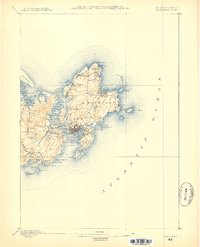
1886 · Gloucester
USGS Topo · 1:62,500
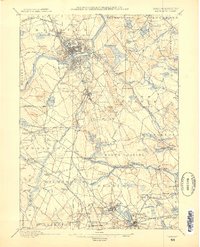
1886 · Lawrence
USGS Topo · 1:62,500
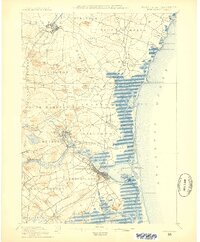
1888 · Newburyport
USGS Topo · 1:62,500
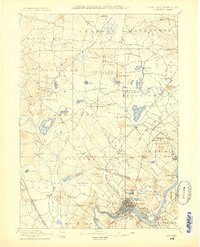
1888 · Haverhill
USGS Topo · 1:62,500
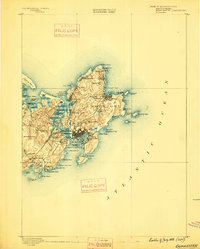
1888 · Gloucester
USGS Topo · 1:62,500
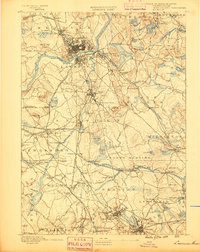
1888 · Lawrence
USGS Topo · 1:62,500
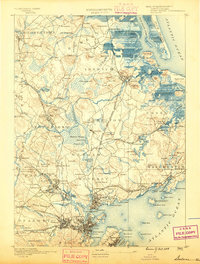
1888 · Salem
USGS Topo · 1:62,500
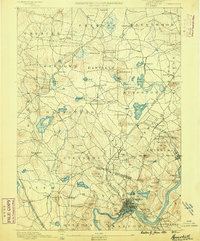
1890 · Haverhill
USGS Topo · 1:62,500
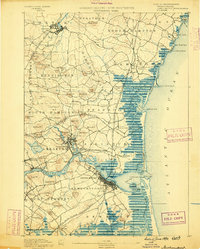
1890 · Newburyport
USGS Topo · 1:62,500
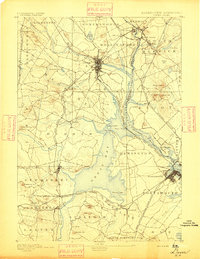
1893 · Dover
USGS Topo · 1:62,500