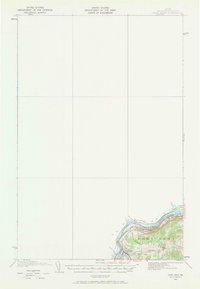
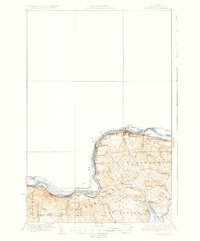
1932 Map of Fort Kent
USGS Topo · Published 1969About this map
Fort Kent stands as a vital northern outpost where the Fish River meets the St John River, marking the international boundary between Maine and New Brunswick. This early 1930s survey reveals a landscape shaped by water and wood, with the Bangor and Aroostook railroad line providing the essential connection to the rest of the state. The mapping illustrates a distributed rural community dependent on local institutions, including the Roosevelt Sch, Charette Sch, and Blaine Sch. Topography by W. S. Higginson indicates the complex drainage patterns of northern Aroostook County, defined by tributaries like Audibert Brook and Daigle Bk. The placement of these schools and rail spurs suggests a period when small-scale timber and agriculture anchored the economy of this border region, just as aerial photography began to modernize the process of surveying the American frontier.
Find a feature on this map
16 named features on this map. Tap any name to fly to it.
Don’t see what you’re looking for? This feature index may not catch every label — zoom into the map to look around manually.
Map Details
Editions of this 1932 Fort Kent Map
4 editions found
Other maps of this area
1927 · Square Lake
USGS Topo · 1:48,000
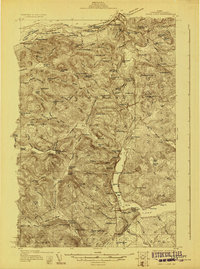
1928 · Eagle Lake
USGS Topo · 1:48,000
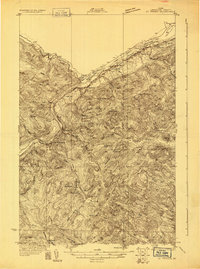
1930 · St Francis
USGS Topo · 1:48,000
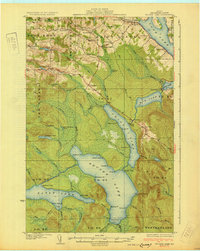
1931 · Square Lake
USGS Topo · 1:62,500
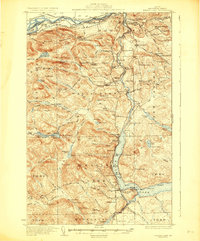
1931 · Eagle Lake
USGS Topo · 1:62,500
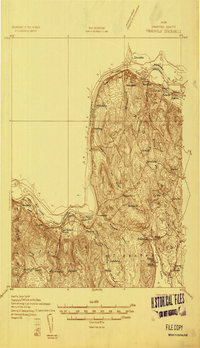
1932 · Frenchville
USGS Topo · 1:48,000
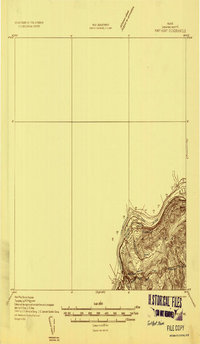
1932 · Fort Kent
USGS Topo · 1:48,000
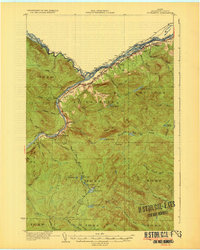
1933 · St Francis
USGS Topo · 1:62,500
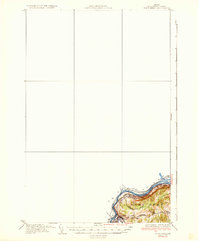
1935 · Fort Kent
USGS Topo · 1:62,500
1935 · Frenchville
USGS Topo · 1:62,500