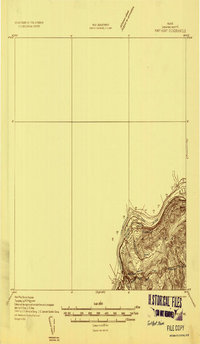
1932 Map of Fort Kent
USGS Topo · Published 1932About this map
The St. John River forms the primary international boundary in this 1930s survey, marking the division between Maine and New Brunswick. This advance sheet, compiled in part from aerial photographs taken by the Air Corps, centers on Fort Kent, where the Bangor and Aroostook Main Line terminates along the riverfront. The settlement of Daigle lies to the south, connected by a network of local routes like Charette Road and the Roosevelt Highway. The map illustrates a border economy defined by the intersection of rail infrastructure and water transport. A series of numbered locations, likely representing individual dwellings or surveyed points such as c72, line the northern bank of the river, providing a precise record of the inhabited landscape during the early 1930s.
Find a feature on this map
21 named features on this map. Tap any name to fly to it.
Don’t see what you’re looking for? This feature index may not catch every label — zoom into the map to look around manually.
Map Details
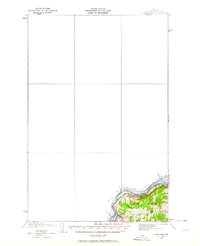
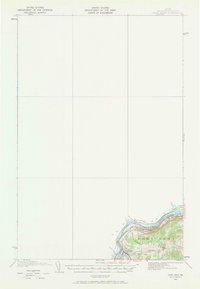
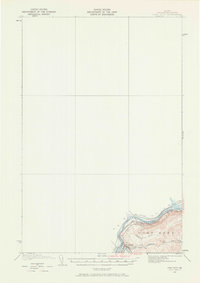
Editions of this 1932 Fort Kent Map
4 editions found
Other maps of this area
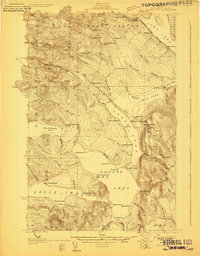
1927 · Square Lake
USGS Topo · 1:48,000
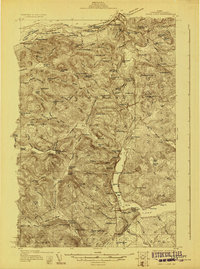
1928 · Eagle Lake
USGS Topo · 1:48,000
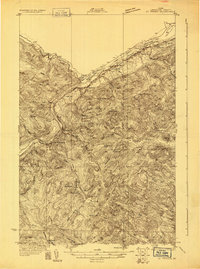
1930 · St Francis
USGS Topo · 1:48,000
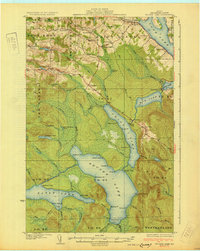
1931 · Square Lake
USGS Topo · 1:62,500
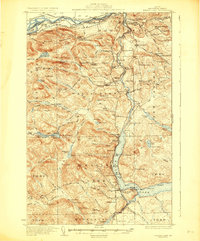
1931 · Eagle Lake
USGS Topo · 1:62,500
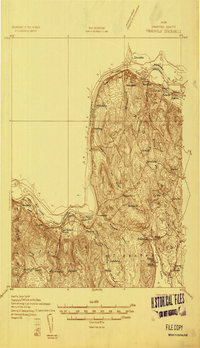
1932 · Frenchville
USGS Topo · 1:48,000
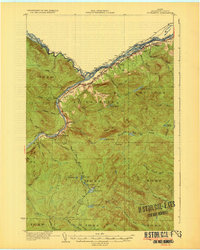
1933 · St Francis
USGS Topo · 1:62,500
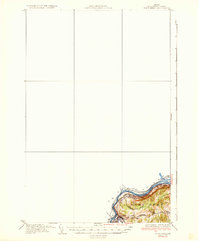
1935 · Fort Kent
USGS Topo · 1:62,500
1935 · Frenchville
USGS Topo · 1:62,500
1953 · Square Lake
USGS Topo · 1:62,500