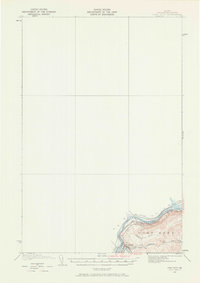
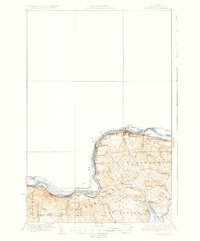
1932 Map of Fort Kent
USGS Topo · Published 1969About this map
Fort Kent sits at the strategic confluence of the Fish River and the St John River, marking a critical point on the international boundary between Maine and New Brunswick. This 1932 survey, compiled in part from early Air Corps aerial photography, documents the northern Maine borderlands when the Bangor and Argostook railroad served as the primary industrial lifeline for the region. The map reveals a landscape defined by small rural schoolhouses that supported the local farming and logging communities, including the Roosevelt Sch, Hillside Sch, and Blaine Sch. Numerous small waterways like Audibert Brook and Daigle Bk drain the rolling terrain of the Fort Kent area, illustrating the intricate natural drainage system that dictated early settlement patterns and road placements long before modern highway development reshaped the county.
Find a feature on this map
16 named features on this map. Tap any name to fly to it.
Don’t see what you’re looking for? This feature index may not catch every label — zoom into the map to look around manually.
Map Details
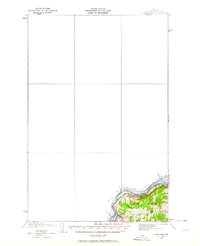
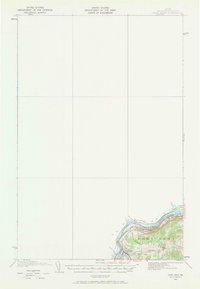
Editions of this 1932 Fort Kent Map
4 editions found
Other maps of this area
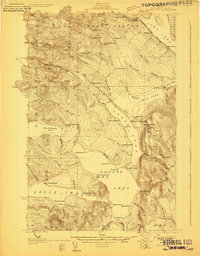
1927 · Square Lake
USGS Topo · 1:48,000
1928 · Eagle Lake
USGS Topo · 1:48,000
1930 · St Francis
USGS Topo · 1:48,000
1931 · Square Lake
USGS Topo · 1:62,500
1931 · Eagle Lake
USGS Topo · 1:62,500
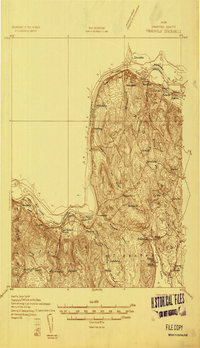
1932 · Frenchville
USGS Topo · 1:48,000
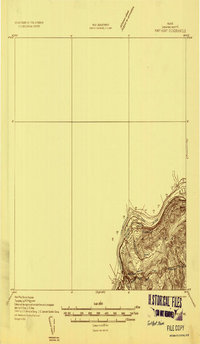
1932 · Fort Kent
USGS Topo · 1:48,000
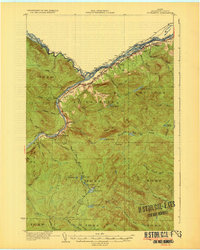
1933 · St Francis
USGS Topo · 1:62,500
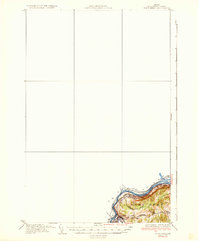
1935 · Fort Kent
USGS Topo · 1:62,500
1935 · Frenchville
USGS Topo · 1:62,500