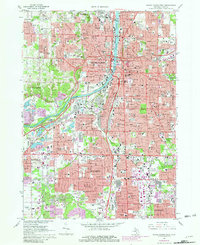
1967 Map of Grand Rapids West
USGS Topo · Published 1981About this map
The Grand River carves through the heart of Grand Rapids, serving as the central axis for this mid-century urban landscape. The 1967 survey, with purple-tinted updates from the early 1980s, reveals a dense network of civic and religious institutions, from Aquinas College to numerous parochial schools like St Adalberts Sch and Sacred Heart Sch. Industry and infrastructure are prominent along the river and rail corridors, including the Kent Industrial Center and the extensive Chesapeake and Ohio rail lines. To the west and south, the growth of Walker and Wyoming is marked by expanding residential blocks and the presence of significant open spaces like John Ball Park and Lamar Park. Large historic burial grounds, such as Oak Hill Cemetery and Woodlawn Cemetery, anchor the eastern sections of the city, while the evolving highway system, including Interstate 196, signals the shifting transportation patterns of the post-war era.
Find a feature on this map
119 named features on this map. Tap any name to fly to it.
Don’t see what you’re looking for? This feature index may not catch every label — zoom into the map to look around manually.
Map Details
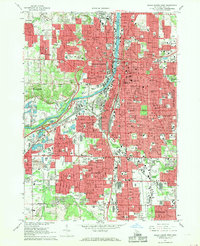
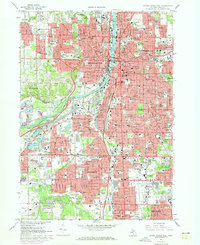
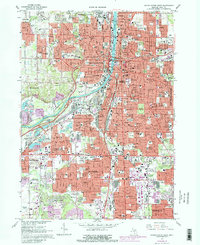
Editions of this 1967 Grand Rapids West Map
4 editions found
Other maps of this area
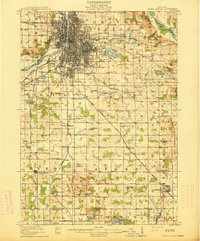
1914 · Grand Rapids
USGS Topo · 1:62,500
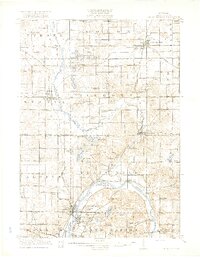
1918 · Cedar Springs
USGS Topo · 1:62,500
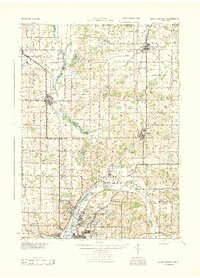
1943 · Cedar Springs
USGS Topo · 1:62,500
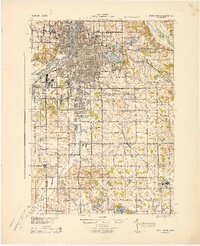
1943 · Grand Rapids
USGS Topo · 1:62,500
1945 · Ravenna
USGS Topo · 1:62,500
1954 · Midland
USGS Topo · 1:250,000
1958 · Midland
USGS Topo · 1:250,000
1958 · Grandville
USGS Topo · 1:62,500
1958 · Grandville
USGS Topo · 1:24,000
1958 · Grand Rapids
USGS Topo · 1:250,000