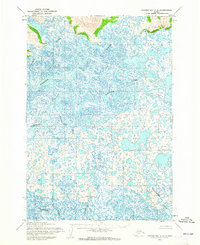
1953 Map of Hooper Bay C-2
USGS Topo · Published 1965About this map
Chevak stands as a central settlement amidst a labyrinthine aquatic landscape on the Yukon-Kuskokwim Delta, as mapped in the early 1950s. The terrain is defined by a dense network of meandering waterways, including the broad Kokechik River and the Kuttak River, which weave through an intricate pattern of tundra ponds and seasonal wetlands. The absence of roads or trails on this survey underscores the reliance on these river systems for transportation and subsistence in this part of the Alaska wilderness.
Find a feature on this map
13 named features on this map. Tap any name to fly to it.
Don’t see what you’re looking for? This feature index may not catch every label — zoom into the map to look around manually.
Map Details
Editions of this 1953 Hooper Bay C-2 Map
This is the sole edition of this map. No revisions or reprints were ever made.
Other maps of this area
1951 · Hooper Bay
USGS Topo · 1:250,000
1952 · Hooper Bay B-3
USGS Topo · 1:63,360
1952 · Hooper Bay C-3
USGS Topo · 1:63,360
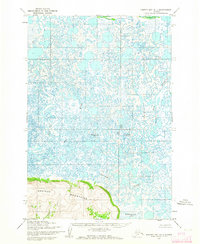
1952 · Hooper Bay D-1
USGS Topo · 1:63,360
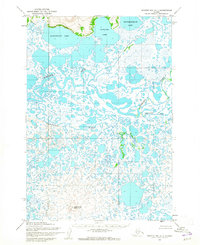
1952 · Hooper Bay C-1
USGS Topo · 1:63,360
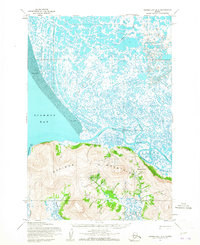
1952 · Hooper Bay D-2
USGS Topo · 1:63,360
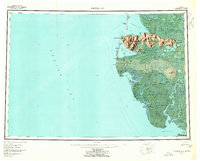
1953 · Hooper Bay
USGS Topo · 1:250,000
1953 · Hooper Bay B-1
USGS Topo · 1:63,360
1953 · Hooper Bay B-2
USGS Topo · 1:63,360
1953 · Hooper Bay D-3
USGS Topo · 1:63,360