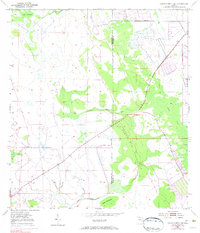
1953 Map of Okeechobee 1 SW
USGS Topo · Published 1983About this map
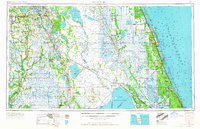
Negro Jim Scrub dominates the central landscape of this Florida interior, showing the interface between the dense hammocks and the water systems of the region. Surveyed in the early 1950s with later revisions, the map reveals a sparsely settled terrain defined by drainage and access projects. A solitary Landing Field and several Private roads indicate the large-scale landholdings common to the area during this era. The presence of a Spoil Bank and a Levee near the northeast corner suggests the early infrastructure of water control and land reclamation, while the boundary between Okeechobee Co and St Lucie Co runs through the heart of the wetlands. Natural landmarks like Dark Hammock, Jones Hammock, and the winding course of Cypress Creek provide essential reference points for researchers studying the original ecology of the Everglades-adjacent landscape.
Find a feature on this map
10 named features on this map. Tap any name to fly to it.
Don’t see what you’re looking for? This feature index may not catch every label — zoom into the map to look around manually.
Map Details
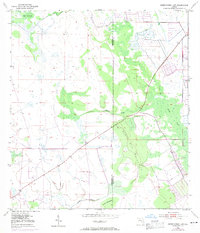
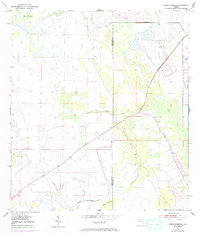
Editions of this 1953 Okeechobee 1 SW Map
4 editions found
Other maps of this area
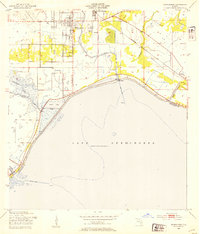
1952 · Okeechobee
USGS Topo · 1:24,000
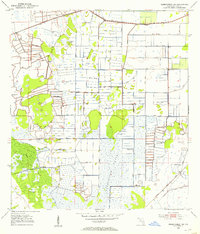
1953 · Okeechobee 1 SE
USGS Topo · 1:24,000
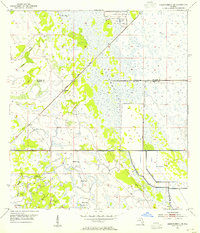
1953 · Okeechobee 4 NE
USGS Topo · 1:24,000
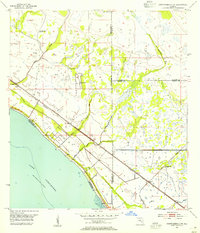
1953 · Okeechobee 4 NW
USGS Topo · 1:24,000
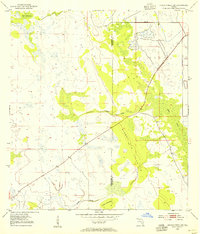
1953 · Okeechobee 1 SW
USGS Topo · 1:24,000
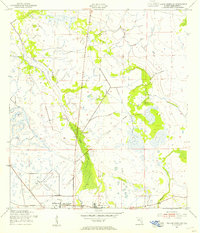
1953 · Taylor Creek SE
USGS Topo · 1:24,000
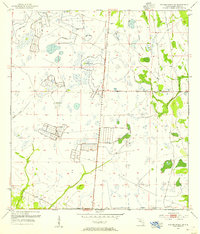
1953 · Taylor Creek NE
USGS Topo · 1:24,000
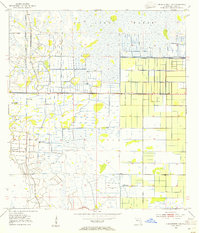
1953 · Okeechobee 1 NE
USGS Topo · 1:24,000
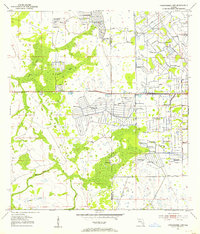
1953 · Okeechobee 1 NW
USGS Topo · 1:24,000
1956 · Fort Pierce
USGS Topo · 1:250,000