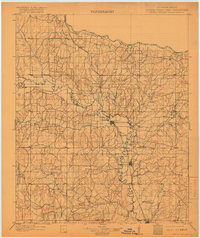
1902 Map of Pauls Valley
USGS Topo · Published 1916About this map
Pauls Valley serves as the central hub of this Chickasaw Nation landscape at the opening of the twentieth century, where the Gulf Colorado and Santa Fe railroad follows the winding course of the Washita River. The terrain is defined by a dense network of tributary creeks like Rush Creek and Wildhorse Creek, which supported scattered rural settlements including Whitebead, Antioch, and Paoli. The Indian Meridian bisects the quadrangle, providing a vital surveying reference for land allotment during the transition from Indian Territory to statehood. Further south, the town of Wynnewood stands as a significant rail stop, while the northern border is defined by the broad curves of the Canadian River near Wayne. This survey provides a look at the early township grids and the established homesteads that formed the foundation of Garvin County.
Find a feature on this map
52 named features on this map. Tap any name to fly to it.
Don’t see what you’re looking for? This feature index may not catch every label — zoom into the map to look around manually.
Map Details
Editions of this 1902 Pauls Valley Map
5 editions found
Other maps of this area
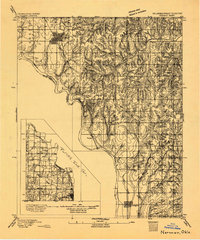
1893 · Norman
USGS Topo · 1:62,500
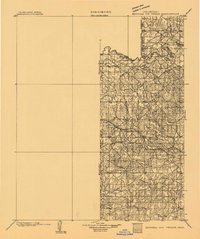
1896 · Seminole and Prague
USGS Topo · 1:125,000
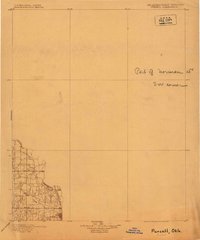
1898 · Purcell
USGS Topo · 1:125,000
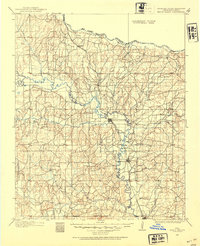
1898 · Pauls Valley
USGS Topo · 1:125,000
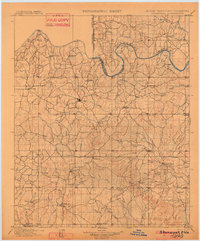
1901 · Stonewall
USGS Topo · 1:125,000
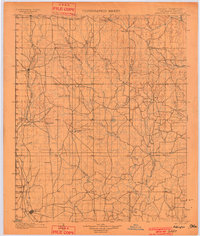
1901 · Addington
USGS Topo · 1:125,000
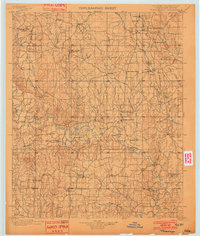
1901 · Tishomingo
USGS Topo · 1:125,000
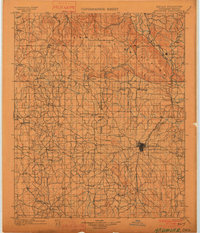
1901 · Ardmore
USGS Topo · 1:125,000
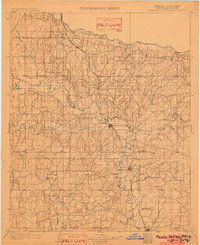
1902 · Pauls Valley
USGS Topo · 1:125,000
1902 · Rush Springs
USGS Topo · 1:125,000