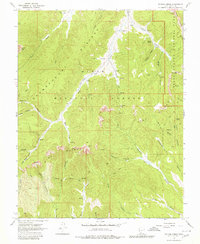
1966 Map of Podunk Creek
USGS Topo · Published 1980About this map
The Paunsaugunt Plateau dominates this high-altitude landscape, where the dramatic descent of the Pink Cliffs creates a labyrinth of deep canyons. In the mid-1960s, this area served as a vital watershed and resource management zone, evidenced by the Podunk Guard Station and the Gaging Station positioned along the East Fork Sevier River. The map details the remote transition between the western edge of Bryce Canyon National Park and the expansive Dixie National Forest, showing a network of primitive transportation routes including numerous Jeep Trails and Pack Trails. Local geography is defined by family-named landmarks and essential water sources like Coyote Spring and Gravel Spring, which supported livestock and forest operations before modern infrastructure reached these high basins. From Sunset Cliffs to the drainage of Kanab Creek, the map preserves the exact layout of the canyons and passes such as Crawford Pass as they were surveyed.
Find a feature on this map
43 named features on this map. Tap any name to fly to it.
Don’t see what you’re looking for? This feature index may not catch every label — zoom into the map to look around manually.
Map Details
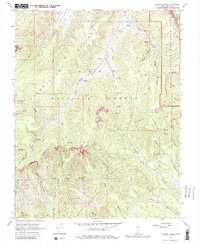
Editions of this 1966 Podunk Creek Map
3 editions found
Other maps of this area
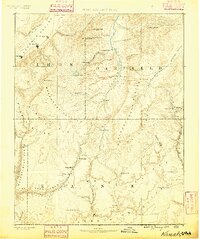
1886 · Kanab
USGS Topo · 1:250,000
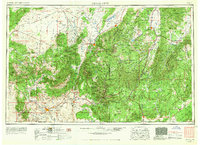
1953 · Cedar City
USGS Topo · 1:250,000
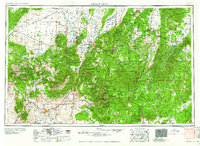
1958 · Cedar City
USGS Topo · 1:250,000
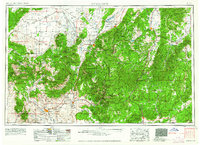
1962 · Cedar City
USGS Topo · 1:250,000
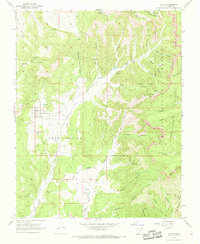
1966 · Alton
USGS Topo · 1:24,000
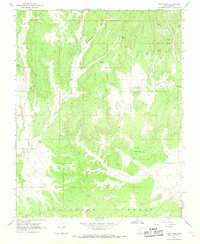
1966 · Bald Knoll
USGS Topo · 1:24,000
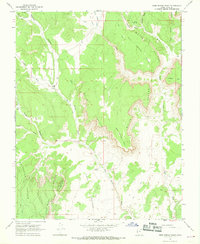
1966 · Deer Spring Point
USGS Topo · 1:24,000
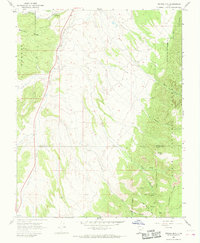
1966 · George Mtn
USGS Topo · 1:24,000
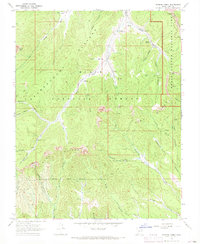
1966 · Podunk Creek
USGS Topo · 1:24,000
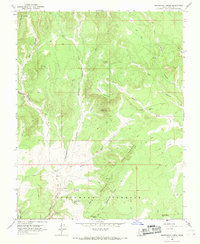
1966 · Skutumpah Creek
USGS Topo · 1:24,000