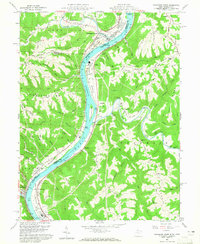
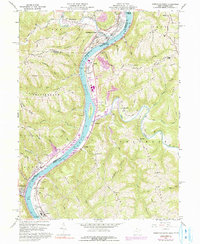
1960 Map of Powhatan Point
USGS Topo · Published 1965About this map
The Ohio River corridor serves as the primary artery for industry and transport between Powhatan Point and Clarington at the start of the 1960s. This survey captures a transitional landscape where rugged Ohio ridges like German Ridge and York Ridge drop steeply toward the riverside industrial sites at Cresap and Natrium. The Baltimore and Ohio railroad tracks hug the riverbank, connecting coal mines and chemical substations to the broader regional network. In the interior, the topography is defined by narrow runs and hollows, such as Stillhouse Run and Henderson Hollow, where small rural communities gathered at St Johns Ch and Grace Chapel. The presence of Lock No 14 and various ferry landings underscores the river's enduring role as a working waterway before the modernization of the valley's navigation systems.
Find a feature on this map
79 named features on this map. Tap any name to fly to it.
Don’t see what you’re looking for? This feature index may not catch every label — zoom into the map to look around manually.
Map Details
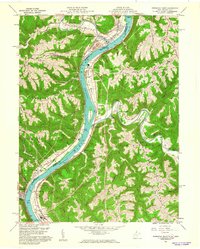
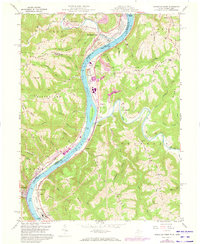
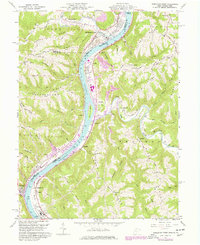
Editions of this 1960 Powhatan Point Map
5 editions found
Other maps of this area
1903 · Littleton
USGS Topo · 1:62,500
1904 · Cameron
USGS Topo · 1:62,500
1905 · Littleton
USGS Topo · 1:62,500
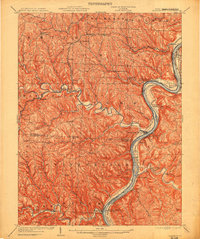
1905 · Clarington
USGS Topo · 1:62,500
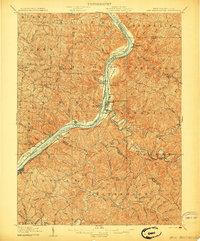
1906 · New Martinsville
USGS Topo · 1:62,500
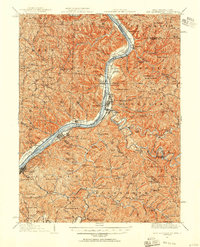
1924 · New Martinsville
USGS Topo · 1:62,500
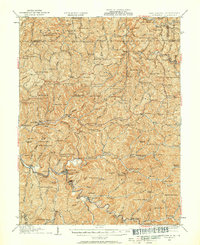
1924 · Littleton
USGS Topo · 1:62,500
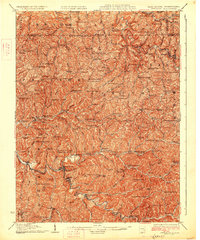
1926 · Littleton
USGS Topo · 1:62,500
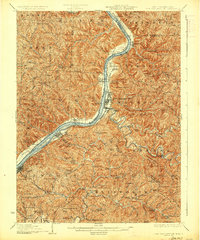
1926 · New Martinsville
USGS Topo · 1:62,500
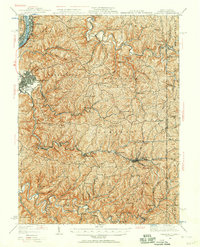
1935 · Cameron
USGS Topo · 1:62,500