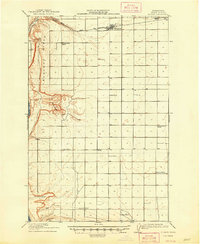
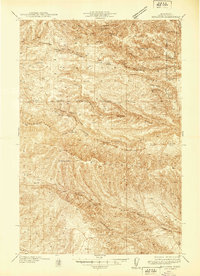
1910 Map of Quincy
USGS Topo · Published 1948About this map
The Great Northern RR cuts across the northern desert landscape of Grant County, anchoring the town of Quincy at a time when the region relied heavily on rail access and isolated wells for survival. This 1910 survey, reprinted in 1948, illustrates an expansive territory defined by significant geological features like the Babcock Ridge and the Frenchman Hills. The Columbia River forms a powerful western boundary, carving through the terrain near Frenchman Springs.
Find a feature on this map
22 named features on this map. Tap any name to fly to it.
Don’t see what you’re looking for? This feature index may not catch every label — zoom into the map to look around manually.
Map Details
Editions of this 1910 Quincy Map
4 editions found
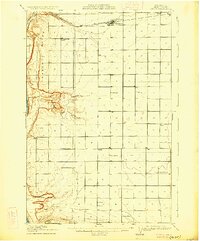
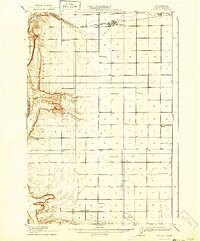
Other maps of this area
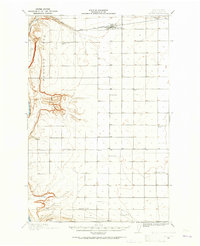
1909 · Quincy
USGS Topo · 1:62,500
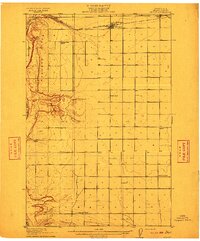
1910 · Quincy
USGS Topo · 1:62,500
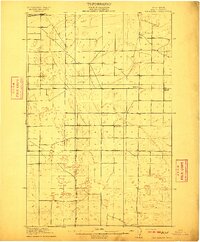
1910 · Winchester
USGS Topo · 1:62,500
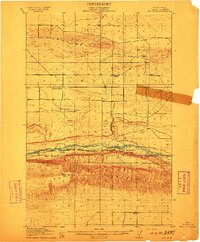
1911 · Red Rock
USGS Topo · 1:62,500
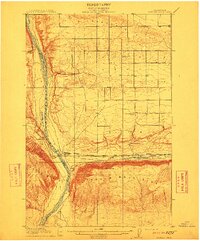
1912 · Beverly
USGS Topo · 1:62,500
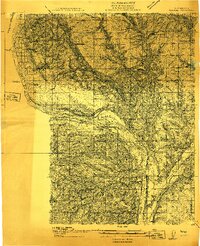
1912 · Malaga
USGS Topo · 1:48,000
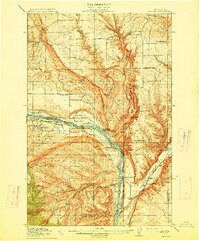
1914 · Malaga
USGS Topo · 1:62,500
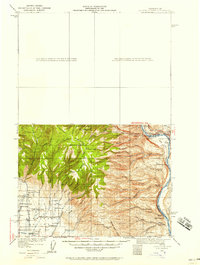
1920 · Colockum Pass
USGS Topo · 1:125,000
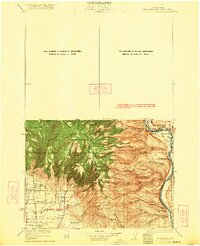
1922 · Colockum Pass
USGS Topo · 1:125,000
1939 · Boylston
USGS Topo · 1:48,000