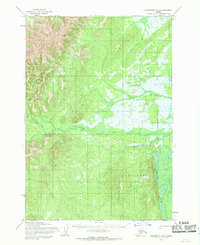
1954 Map of Sleetmute B-4
USGS Topo · Published 1968About this map
The Holitna River meanders through the eastern portion of this wilderness landscape, forming a complex network of wetlands and oxbows typical of the Alaska interior. This mid-1950s survey captures the area before modern development, where the Kulukbuk Hills dominate the southern terrain with their varied elevations. Human presence is sparse, marked primarily by a Tractor Trail that cuts through the northern marshlands, likely serving early exploration or transport needs. Local drainage is defined by several waterways including Itulilik Creek and Keefer Creek, which feed into the broader river system. The map reflects a period when the Army Map Service utilized early photogrammetric methods to document remote regions that remained largely unsurveyed on the ground.
Find a feature on this map
5 named features on this map. Tap any name to fly to it.
Don’t see what you’re looking for? This feature index may not catch every label — zoom into the map to look around manually.
Map Details
Editions of this 1954 Sleetmute B-4 Map
This is the sole edition of this map. No revisions or reprints were ever made.
Other maps of this area
1950 · Sleetmute
USGS Topo · 1:250,000
1954 · Sleetmute C-4
USGS Topo · 1:63,360
1954 · Sleetmute C-3
USGS Topo · 1:63,360
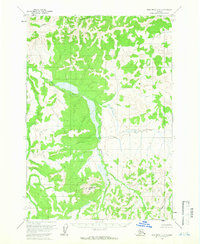
1954 · Sleetmute C-5
USGS Topo · 1:63,360
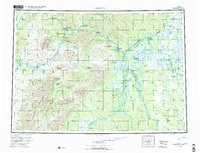
1954 · Sleetmute
USGS Topo · 1:250,000
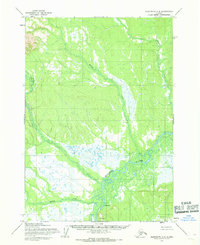
1954 · Sleetmute A-5
USGS Topo · 1:63,360
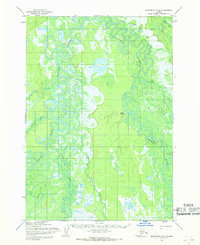
1954 · Sleetmute B-3
USGS Topo · 1:63,360
1954 · Sleetmute B-5
USGS Topo · 1:63,360
1954 · Sleetmute A-3
USGS Topo · 1:63,360
1954 · Sleetmute A-4
USGS Topo · 1:63,360