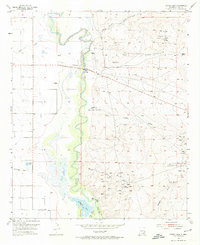
1955 Map of Spring Lake
USGS Topo · Published 1974About this map
The Pecos River carves a winding path through this mid-century landscape of southeast New Mexico, creating a verdant ribbon of wetlands and side channels like the Kaiser Channel and the Pecos River (Old Channel). While the river dominates the valley floor, the surrounding uplands reflect the region's mid-century industrial footprint. Extensive petroleum development is evident in the Empire Oil Field, Daugherty Oil Field, and Logan Draw Oil Field, where a network of tanks, pumps, and access roads spreads across the draws. To the west of the river, the terrain softens into the open flats of Spring Lake and the drainage of Tumbleweed Draw, providing a clear record of the area's hydrology and resource extraction history before later 20th-century developments altered the local character.
Find a feature on this map
19 named features on this map. Tap any name to fly to it.
Don’t see what you’re looking for? This feature index may not catch every label — zoom into the map to look around manually.
Map Details
Editions of this 1955 Spring Lake Map
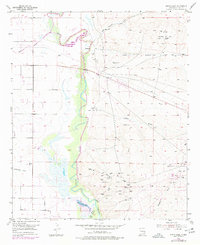
Other maps of this area
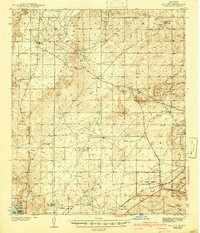
1943 · Oil City
USGS Topo · 1:62,500
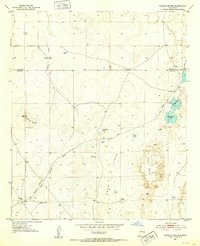
1951 · Diamond Mound
USGS Topo · 1:24,000
1953 · Espuela
USGS Topo · 1:24,000
1954 · Carlsbad
USGS Topo · 1:250,000
1955 · Artesia
USGS Topo · 1:24,000
1955 · Artesia NE
USGS Topo · 1:24,000
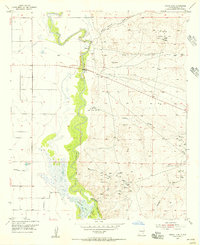
1955 · Spring Lake
USGS Topo · 1:24,000
1955 · Dayton
USGS Topo · 1:24,000
1955 · Lake Mc Millan North
USGS Topo · 1:24,000
1955 · Red Lake
USGS Topo · 1:24,000