1950s Maps of Ketchikan Gateway, Alaska
Explore 56 historic maps of Ketchikan Gateway from the 1950s. These maps offer a rare glimpse into what life looked like during the 1950s — showing old roads, neighborhoods, homes, and landmarks that have changed or disappeared over time.
Whether you're researching your family's past, planning a metal detecting trip, or studying how Ketchikan Gateway's landscape evolved across the 1950s, these high-resolution maps are a powerful tool for exploring the history of this region.
- Focus on a specific era: All maps on this page are from the 1950s, giving you a focused view of this time period.
- See what’s changed: Compare century-old streets, trails, and buildings to today's modern landscape using overlays and satellite layers.
- Research with precision: Use these maps for genealogy, historical research, land use analysis, or educational projects.
- View, download, or print: Maps are fully viewable online in high resolution, and can be downloaded or printed for your own records.
Start exploring Ketchikan Gateway's history through authentic maps from the 1950s. This is your window into the past.
Ketchikan Gateway, AK maps
(56)- 1950 Map of Craig B-1, 1953 Print
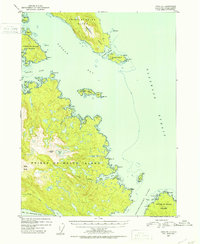 1950 Craig B-11953 Print · USGSThe maritime landscape of Prince of Wales Island is captured here in the early fifties, showcasing the intricate shoreline of the Tongass National Forest. Researchers can trace historic coastal landmarks and protected inlets like Chasina Anchorage, Saltery Cove, and Clover Lake.2 unique versions available
 - 1950 Map of Craig C-1, 1966 Print
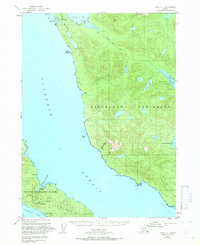 1950 Craig C-11966 Print · USGSThe rugged coastlines of the Cleveland Peninsula and Prince of Wales Island are captured here in the mid-century era. Historians can trace the legacy of local mining at Sleeping Beauty Mine and locate the site of the former settlement at Hadley.4 unique versions available
 - 1951 Map of Prince Rupert, 1952 Print
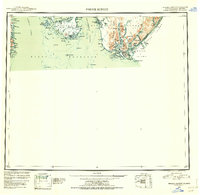 1951 Prince Rupert1952 Print · USGSThe coastal frontier of Southeast Alaska is captured here in the early fifties, showing the intricate waterways of the Dixon Entrance. Researchers can locate isolated outposts like the Cannery and Vancouver, or trace the rugged coastlines of Duke Island and the Percy Islands.
 - 1951 Map of Bradfield Canal, 1953 Print
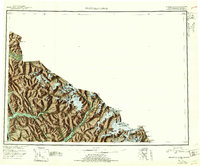 1951 Bradfield Canal1953 Print · USGSSoutheast Alaska in the early fifties reveals a landscape of massive glaciers and remote waterways along the Canadian border. Researchers can locate early industrial sites like the Riverside Mine and coastal landmarks such as Anan Lagoon or the Government Cabin.3 unique versions available
 - 1951 Map of Craig C-1, 1953 Print
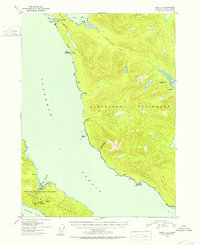 1951 Craig C-11953 Print · USGSThe Cleveland Peninsula and Prince of Wales Island are shown in the early fifties, documenting a landscape of maritime outposts and dormant mining camps. Genealogists and researchers can trace the abandoned site of Hadley and several inactive operations like the Mamie Mine or Sleeping Beauty Mine.2 unique versions available
 - 1951 Map of Craig D-1, 1953 Print
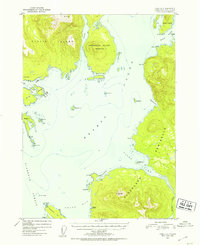 1951 Craig D-11953 Print · USGSSoutheast Alaska’s intricate coastline is charted here in the early fifties, detailing the deep waters and islands of the Alexander Archipelago. Researchers can locate remote coastal sites like Cannery (Aband) and family-named landmarks like Petersen Is and Mt Burnett.2 unique versions available
 - 1951 Map of Prince Rupert D-6, 1971 Print
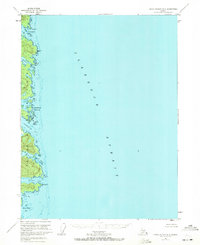 1951 Prince Rupert D-61971 Print · USGSSoutheast Alaska's rugged Prince of Wales Island coast is captured here in the early fifties, showing a remote world of deep inlets and isolated outposts. Researchers can locate coastal cabins, a remote mine near Mc Lean Arm, and landmarks like Mc Lean Pt.
 - 1952 Map of Ketchikan, 1953 Print
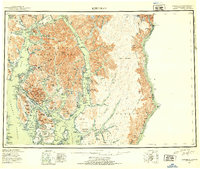 1952 Ketchikan1953 Print · USGSThe Ketchikan region of Southeast Alaska is mapped here in the early fifties, documenting the remote settlements and deep-water inlets of the southern panhandle. Genealogists and historians can trace the foundations of Ketchikan, Metlakatla, and Saxman alongside lonely backcountry cabins.4 unique versions available
 - 1952 Map of Ketchikan B-4, 1954 Print
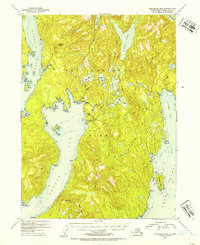 1952 Ketchikan B-41954 Print · USGSRevillagigedo Island in the early fifties shows a wilderness of fjords and mountain peaks before Alaska achieved statehood. Local historians can trace the remnants of maritime industry at the Sealevel Mine (Aband) or locate the isolated Cabin near Gokachin Lakes.2 unique versions available
 - 1952 Map of Ketchikan C-4, 1954 Print
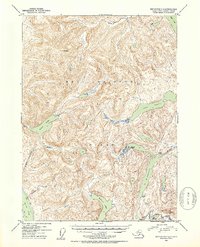 1952 Ketchikan C-41954 Print · USGSSoutheast Alaska in the early fifties shows a rugged landscape of mountains and water across Revillagigedo Island and the Tongass National Forest. Researchers can trace isolated wilderness outposts including several Shelter Cabins, the Gaging Sta at Ella Lake, and the expansive waters of Lake Grace.2 unique versions available
 - 1952 Map of Ketchikan C-6, 1954 Print
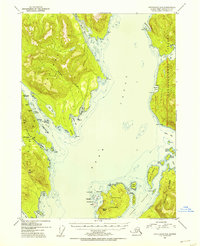 1952 Ketchikan C-61954 Print · USGSCoastal Southeast Alaska in the early fifties shows a wilderness of islands and waterways shaped by the gold mining industry. Researchers can trace the locations of the Gold Standard Mine (Inactive), the Alaska-Gold Mtn Mines, and isolated structures like the Cabin at Helm Bay.2 unique versions available
 - 1952 Map of Ketchikan D-5, 1963 Print
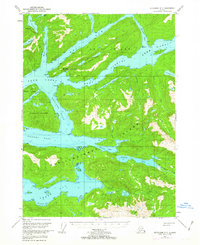 1952 Ketchikan D-51963 Print · USGSSoutheast Alaska's intricate coastline is mapped here in the early fifties, showing the isolated outposts and remote waterways of the Alexander Archipelago. Researchers can locate the Seaplane Ramp at Bell Island Hot Springs or trace the drainage from Lake Shelokum to Bailey Bay.3 unique versions available
 - 1952 Map of Ketchikan D-6, 1964 Print
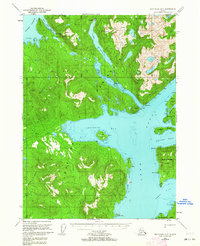 1952 Ketchikan D-61964 Print · USGSThe Ketchikan region in the early fifties reveals a remote maritime landscape of deep inlets and isolated coastal stations. Genealogists and historians can locate the Fish Hatchery (Aband) at Yes Bay and the Lighthouse Reserve along the Behm Canal.3 unique versions available
 - 1953 Map of Ketchikan C-5, 1954 Print
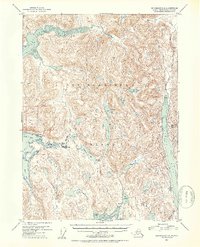 1953 Ketchikan C-51954 Print · USGSRevillagigedo Island in the early 1950s was a landscape of remote outposts and coastal inlets. Researchers can locate the settlement of Loring, the Fish Hatchery (Aban'd) at Heckman Lake, and the Black Bear Observation Post near Roosevelt Lagoon.2 unique versions available
 - 1953 Map of Ketchikan B-6, 1955 Print
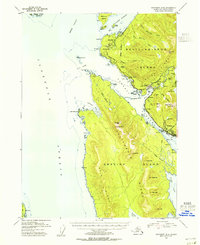 1953 Ketchikan B-61955 Print · USGSCoastal life in Southeast Alaska comes into focus in the mid-fifties as industry and wilderness meet along the Tongass Narrows. Trace the early layout of Ketchikan, locate the Cannery at Wards Cove, and find the US Coast Guard Station at Point Higgins.
 - 1953 Map of Ketchikan D-5, 1955 Print
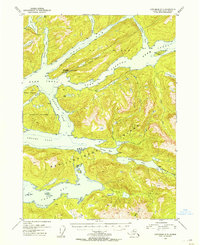 1953 Ketchikan D-51955 Print · USGSCoastal life in Southeast Alaska centered on isolated outposts and intricate waterways in the years following World War II. Researchers can locate remote cabins and early infrastructure like the Bell Island Hot Springs and its Seaplane Ramp.
 - 1953 Map of Ketchikan D-6, 1955 Print
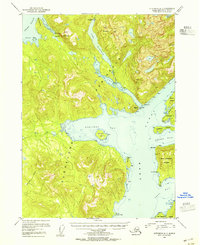 1953 Ketchikan D-61955 Print · USGSSoutheast Alaska's maritime landscape is captured here in the mid-fifties, showing the rugged coastline of the Cleveland Peninsula. Historians can trace early regional footprints at the Fish Hatchery (Aban'd) and the Lighthouse Reserve near Yes Bay.
 - 1954 Map of Bradfield Canal
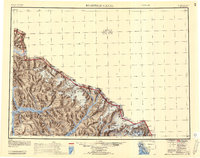 1954 Bradfield Canal1954 Print · USGSSoutheast Alaska's glacial fjords and high peaks are captured here in the mid-1950s, showing the intersection of the maritime economy and the deep wilderness. Researchers can trace early infrastructure like the Riverside Mine, the Cannery, and the Government Cabin.
 - 1954 Map of Ketchikan B-5, 1955 Print
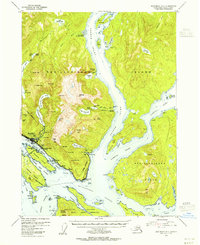 1954 Ketchikan B-51955 Print · USGSCoastal life in the mid-fifties is captured here, centered on the busy waterways of the Tongass Narrows. Researchers can locate the Mahoney Mine, the historic Bayview Cem, and early industrial sites like the Cannery.2 unique versions available
 - 1954 Map of Ketchikan B-6, 1960 Print
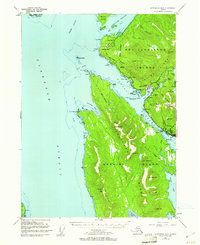 1954 Ketchikan B-61960 Print · USGSSoutheast Alaska in the mid-fifties is defined by the coastal settlements and industrial outposts lining the Tongass Narrows. Maritime and cultural researchers can trace the development of Ketchikan, the facilities at Wacker, and landmarks like Totem Bight.4 unique versions available
 - 1955 Map of Ketchikan A-2, 1958 Print
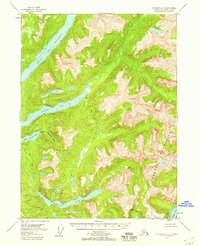 1955 Ketchikan A-21958 Print · USGSSoutheast Alaska in the mid-1950s is a landscape of glacial fjords and steep timberland where the sea is the only highway. You can trace early industrial footprints such as the Fish Hatchery (Aband) and a remote Mine along the Red River.3 unique versions available
 - 1955 Map of Bradfield canal A-6, 1959 Print
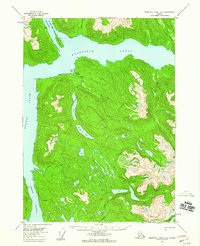 1955 Bradfield canal A-61959 Print · USGSSoutheast Alaska's intricate waterways and forested islands are captured here in the mid-fifties, showing the region before modern development. Researchers can locate the isolated Cabin at Anan Lagoon and trace the drainage of Anan Lake into Anan Bay.3 unique versions available
 - 1955 Map of Bradfield canal B-2, 1959 Print
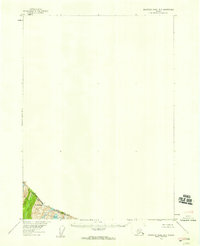 1955 Bradfield canal B-21959 Print · USGSThe Alaska-Canada borderlands near the mid-fifties are depicted here as a pure wilderness of high peaks and alpine lakes. Genealogists and researchers can trace the international boundary near Mt Middleton or locate the headwaters of Canoe Creek and Gracey Creek.2 unique versions available
 - 1955 Map of Ketchikan C-3, 1959 Print
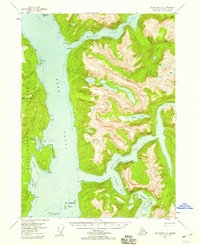 1955 Ketchikan C-31959 Print · USGSThe southern Alaska panhandle is captured here in the mid-1950s, showing the dramatic fjords and islands before the era of modern development. Researchers can trace the wild shoreline of Behm Canal past landmarks like New Eddystone Rock and the remote Cabin at Manzanita Bay.3 unique versions available
 - 1955 Map of Ketchikan D-2, 1959 Print
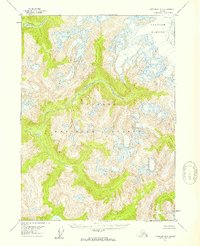 1955 Ketchikan D-21959 Print · USGSThe Ketchikan wilderness in the mid-fifties remains an untouched glacial landscape without a single road or trail. Researchers can trace the high-altitude flow of the Chickamin River and locate the massive Through Glacier in the heart of the Tongass National Forest.4 unique versions available
Showing maps 1-25 of 56
Top cities of Ketchikan Gateway
Frequently asked questions
- What are the different types of historical maps available for Ketchikan Gateway?
- What is the oldest map of Ketchikan Gateway?
- Where can I purchase historical maps of Ketchikan Gateway for my home or office?
- Where can I download high-res historical maps of Ketchikan Gateway?
- Are there historical topographic maps available for Ketchikan Gateway?
- Is there historical aerial imagery available for Ketchikan Gateway?
- Where are historical maps of Ketchikan Gateway sourced from?