2000s (21st Century) Maps of Cleburne County, Arkansas
Explore 90 historic maps of Cleburne County from the 2000s (21st Century). These maps offer a rare glimpse into what life looked like during the 2000s — showing old roads, neighborhoods, homes, and landmarks that have changed or disappeared over time.
Whether you're researching your family's past, planning a metal detecting trip, or studying how Cleburne County's landscape evolved across the 2000s, these high-resolution maps are a powerful tool for exploring the history of this region.
- Focus on a specific era: All maps on this page are from the 2000s, giving you a focused view of this time period.
- See what’s changed: Compare century-old streets, trails, and buildings to today's modern landscape using overlays and satellite layers.
- Research with precision: Use these maps for genealogy, historical research, land use analysis, or educational projects.
- View, download, or print: Maps are fully viewable online in high resolution, and can be downloaded or printed for your own records.
Start exploring Cleburne County's history through authentic maps from the 2000s. This is your window into the past.
Cleburne County, AR maps
(90)- 2011 Map of Guy, 2011 Print
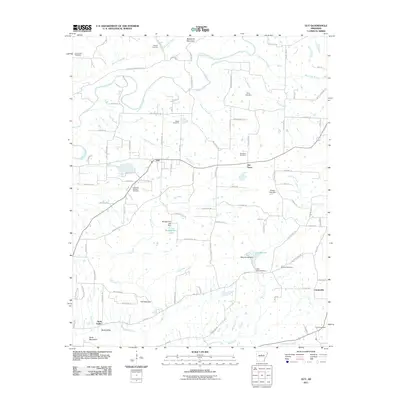 2011 Guy2011 Print · USGSThe rural communities of Guy and Old Texas are captured in this 2011 survey during a period of steady local growth. Genealogists and historians can trace numerous family burial sites, from McNew Cemetery to Holland Cemetery, alongside landmarks like Lake Bennett.
 - 2011 Map of Brownsville, 2011 Print
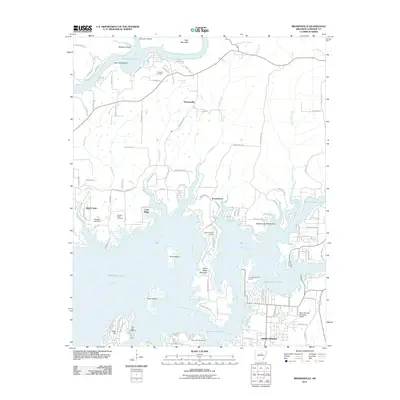 2011 Brownsville2011 Print · USGSGreers Ferry Lake and the Little Red River valley are shown in detail during the early twenty-first century. Researchers can trace local history through Holland Cemetery, the settlement at Brownsville, and the sprawling coastline of the Silver Ridge Peninsula.
 - 2011 Map of Quitman, 2011 Print
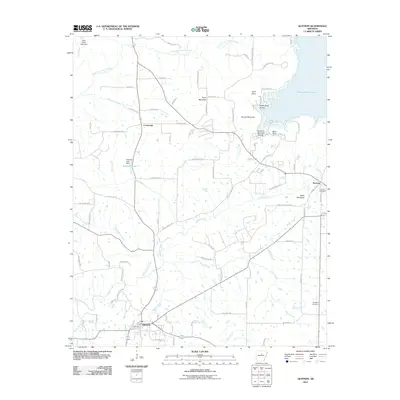 2011 Quitman2011 Print · USGSNorth-central Arkansas at the turn of the millennium shows a landscape defined by the rise of the Ozark foothills and the expanse of Greers Ferry Lake. Researchers can trace rural lineages through the Palestine Cemetery or explore the terrain around Pryor Mountain and Pearson.
 - 2011 Map of Morganton, 2011 Print
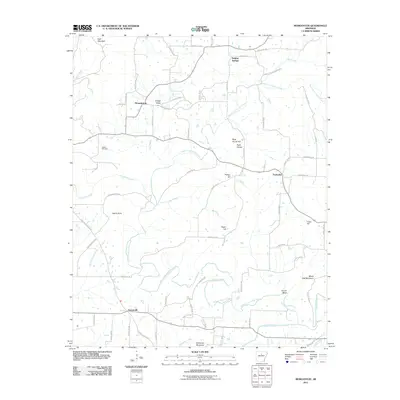 2011 Morganton2011 Print · USGSVan Buren County is shown here in the early twenty-first century, centered on the winding waters of the North Fork Cadron Creek. Researchers can trace the rural landscape between Morganton and Gravesville or locate family sites near Hardin Cemetery.
 - 2011 Map of Heber Springs, 2011 Print
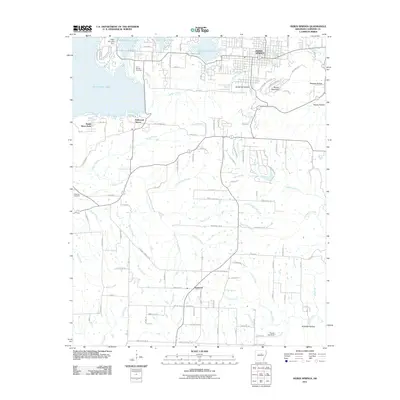 2011 Heber Springs2011 Print · USGSHeber Springs and the surrounding Cleburne County hills are captured here in the early twenty-first century, showcasing a landscape defined by the expansive Greers Ferry Lake. Local researchers can locate family sites like Cove-Kendall Cemetery or trace the drainage of Sulphur Creek past Bridal Veil Hollow.
 - 2011 Map of Greers Ferry, 2011 Print
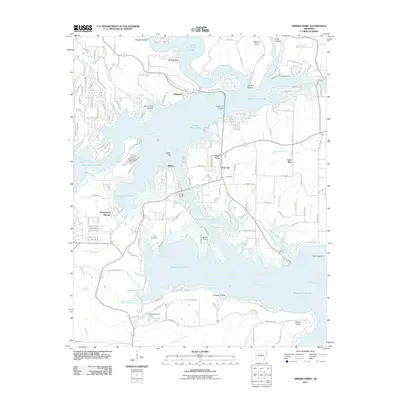 2011 Greers Ferry2011 Print · USGSThe sprawling waters of the reservoir define this Van Buren County landscape in the early twenty-first century. Genealogists and local historians can trace the shoreline's development near Edgemont or locate family sites like Bailey Cemetery and Poker Hill.
 - 2011 Map of Prim, 2011 Print
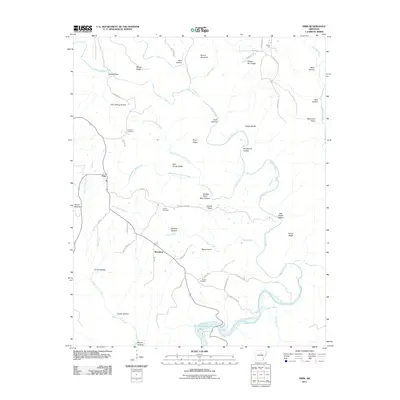 2011 Prim2011 Print · USGSThe area surrounding Woodrow and Prim is captured here during the early twenty-first century, showing a landscape defined by the Devils Fork Little Red River. Family researchers can trace local roots at the Verser Cemetery, Everett Cemetery, and Knapp Cemetery.
 - 2011 Map of Parma, 2011 Print
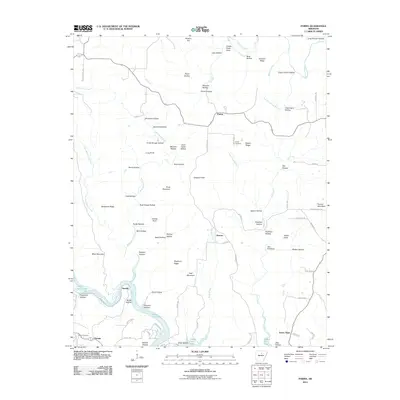 2011 Parma2011 Print · USGSVan Buren County is shown just over a decade ago as the landscape transitions from high ridges like Choppy Knob to the waters of Greers Ferry Lake. Researchers can trace local lineage at Smart Cemetery or locate old community hubs at Parma and Brewer.
 - 2011 Map of Barney, 2011 Print
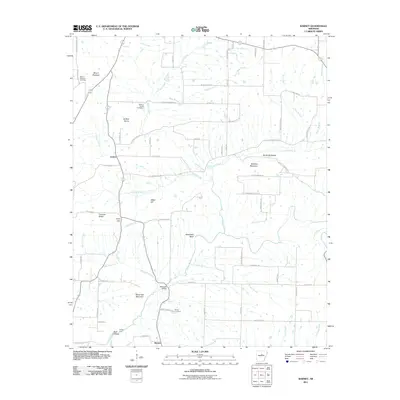 2011 Barney2011 Print · USGSNorth of the Arkansas River in the early 2010s, this area of Cleburne County preserves a quiet network of upland settlements and family cemeteries. Genealogists and hikers can trace local history through Mount Pleasant Cemetery, the crossing at Whiteoak Bridge, and the prominent Devils Backbone.
 - 2011 Map of Rose Bud, 2011 Print
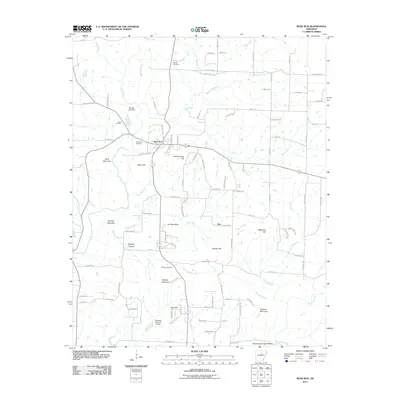 2011 Rose Bud2011 Print · USGSThe community of Rose Bud is shown at the start of the 2010s, situated among the high ridges and creek valleys of White County. Researchers can locate family landmarks such as Moon Cemetery, Schoolhouse Hill, and the small settlement of Hart.
 - 2011 Map of Pangburn, 2011 Print
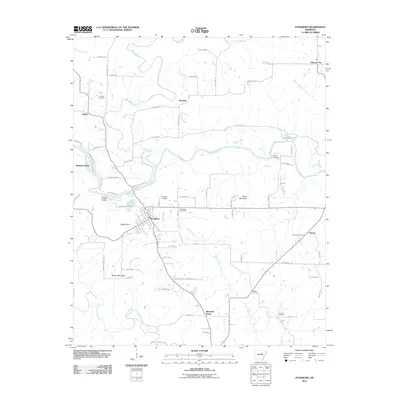 2011 Pangburn2011 Print · USGSWhite County life in the early 21st century centers on the river bends and rural road networks surrounding Pangburn. Family historians and locals can trace established community sites and landmarks like Barnett Cemetery, Hiram, and Ramsey Landing along the Little Red River.
 - 2011 Map of Drasco, 2011 Print
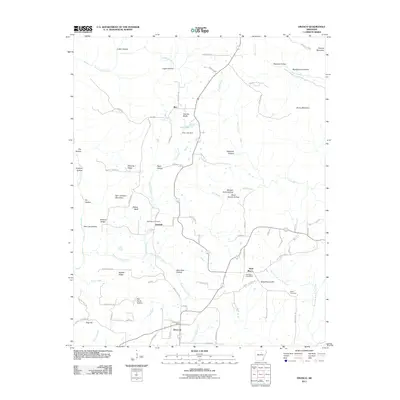 2011 Drasco2011 Print · USGSDrasco and the surrounding hollows of Cleburne County are documented in the early twenty-first century as a landscape of small settlements and mountain ridges. Researchers can locate family landmarks like Macedonia Cemetery, the Drasco Post Office, and Schoolhouse Hill.
 - 2011 Map of Letona, 2011 Print
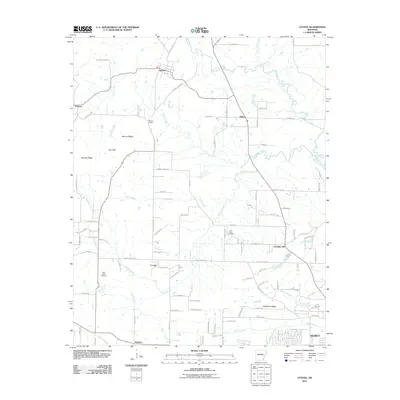 2011 Letona2011 Print · USGSWhite County at the start of the 2010s reveals a landscape of high ridges and winding creeks north of the county seat. Researchers can trace rural lineages through local landmarks like New Hope Cemetery, Saint Pauls Cemetery, and the community at Letona.
 - 2011 Map of Sidon, 2011 Print
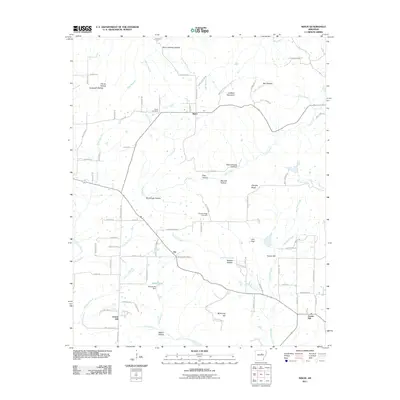 2011 Sidon2011 Print · USGSWhite County, Arkansas, at the start of the twenty-first century reveals a deeply etched landscape of family-named hollows and small rural crossroads. Local historians can trace the foundations of Sidon, find the Mount Hebron Church, and locate cemeteries like Pleasant Ridge Cemetery.
 - 2011 Map of Floral, 2011 Print
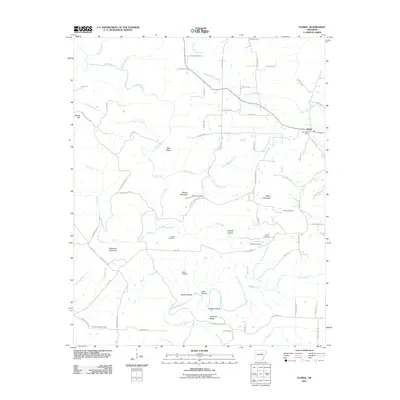 2011 Floral2011 Print · USGSIndependence County, Arkansas, is captured here in the early twenty-first century, showcasing a landscape of family farms and deeply rooted rural communities. Genealogists can trace family names across numerous local landmarks, including Warren Cemetery, Mason Cemetery, and Bailey Mountain.
 - 2011 Map of Concord, 2011 Print
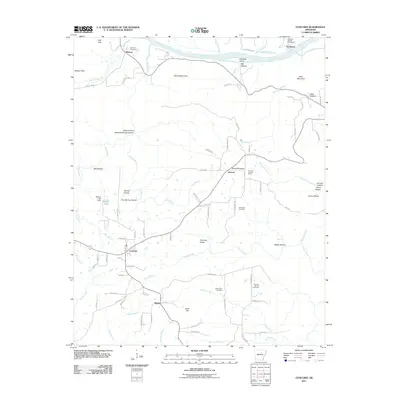 2011 Concord2011 Print · USGSNorth of the White River in the early twenty-first century, this area of Cleburne County preserves a rural network of family-named hollows and cemeteries. Genealogists can locate Bellmore Cemetery, Starnes Spring, and the community of Concord.
 - 2011 Map of Greers Ferry Dam, 2011 Print
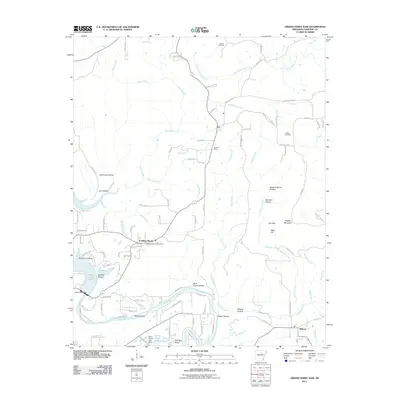 2011 Greers Ferry Dam2011 Print · USGSCleburne County settlement patterns and water infrastructure come into focus in the early twenty-first century as the regional economy centers on the river. Researchers can trace rural lineages through the Antioch Cemetery or locate old community hubs like Ida and Wilburn.
 - 2011 Map of West Pangburn, 2011 Print
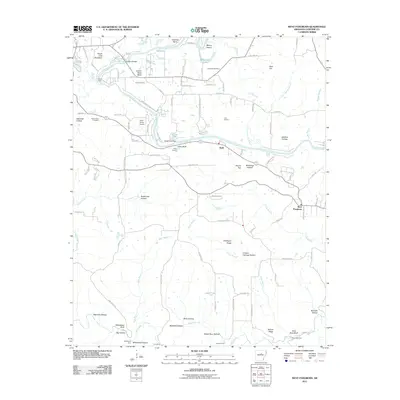 2011 West Pangburn2011 Print · USGSCleburne County follows the winding course of the Little Red River in the early twenty-first century. Genealogists and local historians can trace family landmarks and river crossings like Magness Cemetery, Helms Ford, and the settlement at West Pangburn.
 - 2014 Map of Pangburn, 2014 Print
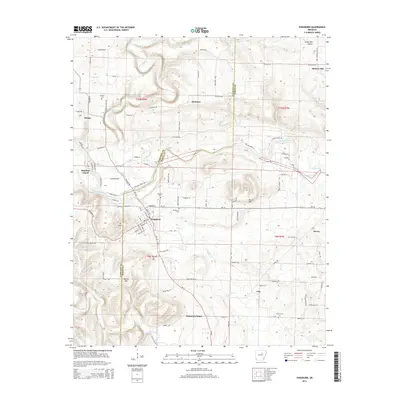 2014 Pangburn2014 Print · USGSThe town of Pangburn and its surrounding Arkansas river country are detailed here during the early twenty-first century. Researchers can trace family history through several local landmarks like Faulkner Cemetery and the church at Mt Zion.
 - 2014 Map of Concord, 2014 Print
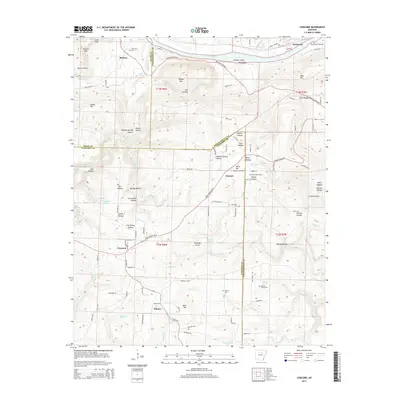 2014 Concord2014 Print · USGSThe foothills of the Ozarks meet the White River valley in this 2014 survey of Cleburne and Independence Counties. Researchers can trace rural lineages through Mt Zion Cem and Starnes Spring Cem or locate landmarks like Bailey Falls and the Almond Lookout Tower.
 - 2014 Map of Quitman, 2014 Print
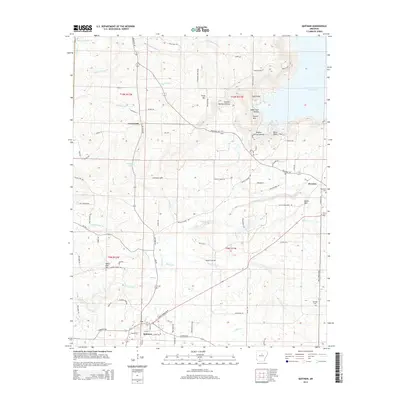 2014 Quitman2014 Print · USGSThe community of Quitman and its surrounding hill country are captured in this 2014 survey. Genealogists and local historians can trace family locations near Palestine Cemetery, Pearson, and the family-named heights of Bettis Mountain.
 - 2014 Map of Guy, 2014 Print
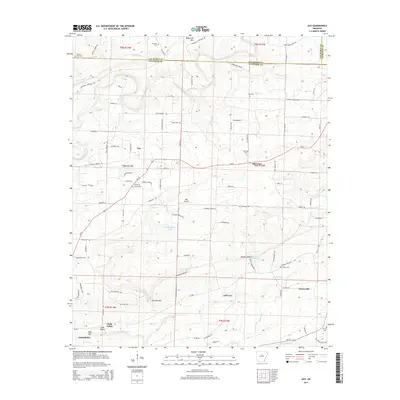 2014 Guy2014 Print · USGSThe crossroads town of Guy and the surrounding Faulkner County ridges are captured here in the early twenty-first century. Genealogists and local historians can trace family locations near Old Texas Cem, The Narrows, and the community of Centerville.
 - 2014 Map of Letona, 2014 Print
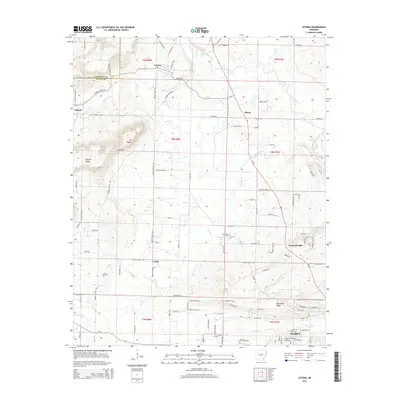 2014 Letona2014 Print · USGSWhite County rural life and the expanding northern edge of the county seat are documented in this mid-2010s survey. Researchers can locate family-named landmarks like Mt Pisgah and Georgia Ridge, alongside local burial grounds including Saint Pauls Cem.
 - 2014 Map of Heber Springs, 2014 Print
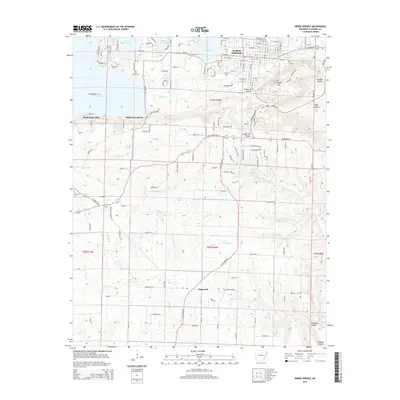 2014 Heber Springs2014 Print · USGSHeber Springs and the southern reaches of Greers Ferry Lake are captured here during a period of lakeside growth and rural continuity. Researchers can trace family history at Kendall Cem or locate local landmarks like the Seven Natural Springs and Bridal Veil Falls.
 - 2014 Map of Prim, 2014 Print
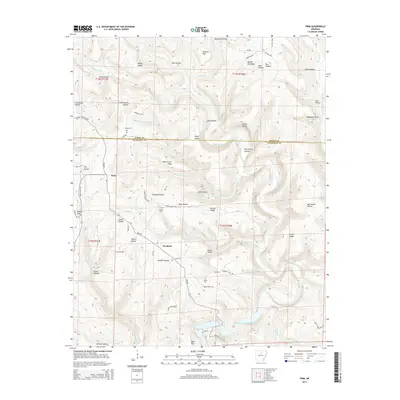 2014 Prim2014 Print · USGSThe Cleburne and Stone County line in the Arkansas Ozarks was still defined by its isolated hollows and high ridges at the start of the 2010s. Researchers can locate remote family landmarks and burial sites like Knapp Cem, Stubbs Point, and the Everett Ridge settlement.
Showing maps 1-25 of 90
Top cities of Cleburne County
- Heber Springs historical maps
- Greers Ferry historical maps
- Quitman historical maps
- Concord historical maps
- Higden historical maps
Frequently asked questions
- What are the different types of historical maps available for Cleburne County?
- What is the oldest map of Cleburne County?
- Where can I purchase historical maps of Cleburne County for my home or office?
- Where can I download high-res historical maps of Cleburne County?
- Are there historical topographic maps available for Cleburne County?
- Is there historical aerial imagery available for Cleburne County?
- Where are historical maps of Cleburne County sourced from?