1900s (20th Century) Maps of Sacramento, California
Explore 49 historic maps of Sacramento from the 1900s (20th Century). These maps offer a rare glimpse into what life looked like during the 1900s — showing old roads, neighborhoods, homes, and landmarks that have changed or disappeared over time.
Whether you're researching your family's past, planning a metal detecting trip, or studying how Sacramento's landscape evolved across the 1900s, these high-resolution maps are a powerful tool for exploring the history of this region.
- Focus on a specific era: All maps on this page are from the 1900s, giving you a focused view of this time period.
- See what’s changed: Compare century-old streets, trails, and buildings to today's modern landscape using overlays and satellite layers.
- Research with precision: Use these maps for genealogy, historical research, land use analysis, or educational projects.
- View, download, or print: Maps are fully viewable online in high resolution, and can be downloaded or printed for your own records.
Start exploring Sacramento's history through authentic maps from the 1900s. This is your window into the past.
Sacramento, CA maps
(49)- 1902 Map of Fairoaks
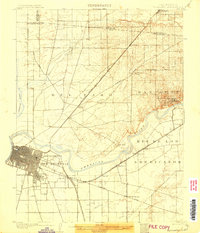 1902 Fairoaks1902 Print · USGSSacramento and its surrounding ranchlands were undergoing a rapid rail-driven transformation at the start of the century. You can trace the early street grids of Oak Park and Highland Park or locate vanished stops like Twelvemile House and Walsh Station.2 unique versions available
 - 1907 Map of Davisville
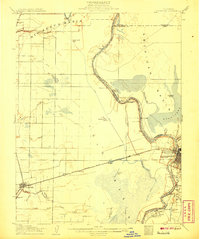 1907 Davisville1907 Print · USGSYolo and Sacramento counties are captured here at a pivot point for river transit and rail growth. Researchers can trace early rural life via the Lisbon School, Taylor Monument Datey's Ferry, and the original footprint of Davisville.2 unique versions available
 - 1908 Map of Courtland
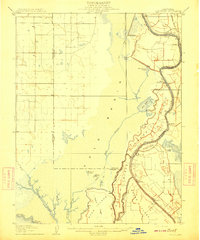 1908 Courtland1908 Print · USGSThe Sacramento Delta at the dawn of the twentieth century was a landscape of fertile river islands and vital waterborne transit. Genealogists and historians can trace the early footprints of Courtland, Clarksburg, and Freeport, or locate landmarks like the Free County Ferry and Indian Mound.3 unique versions available
 - 1909 Map of Florin
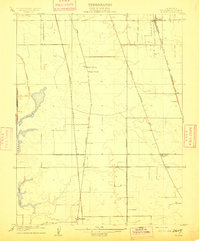 1909 Florin1909 Print · USGSSacramento County rural life is captured in the early twentieth century as the valley floor was being shaped by railroads and irrigation. Genealogists can locate family landmarks like Union House and Prairie School or trace the early paths of Upper Stockton Road.2 unique versions available
 - 1911 Map of Brighton
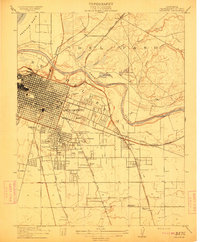 1911 Brighton1911 Print · USGSSacramento and its eastern outskirts are captured in the early twentieth century during a period of rapid rail and agricultural expansion. Local historians can trace the early city grid out to New Helvetia or locate rural sites like Whisky Hill and Elder Creek School.2 unique versions available
 - 1911 Map of Mills
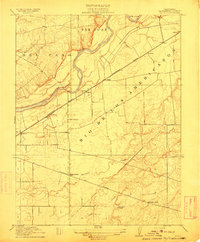 1911 Mills1911 Print · USGSSacramento County ranch lands and rail stops are captured here in the early 1900s, just as the region was developing south of the American River. Trace the old Southern Pacific corridor through historic stops like Routier, Walsh Station, and Twelvemile House.
 - 1911 Map of Arcade
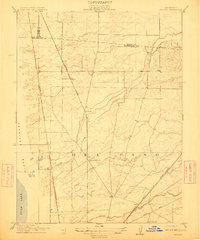 1911 Arcade1911 Print · USGSNorth of Sacramento in the early 1900s, the landscape was being reshaped by a dense network of competing railroads and emerging rural communities. Local historians can trace the early footprints of Elverta and Robla alongside landmarks like the Oak Grove School and the Northern Electric line.2 unique versions available
 - 1911 Map of Antelope
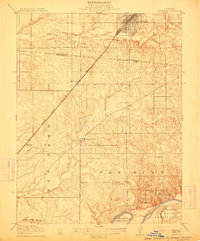 1911 Antelope1911 Print · USGSThe Placer and Sacramento county borderlands are captured here just after the turn of the century, centered on the growing rail hub at Roseville. Genealogists and local historians can trace early school districts at Sylvan and San Juan, and locate the historic Twelvemile House along the Auburn Road.
 - 1915 Map of Elkhorn Weir
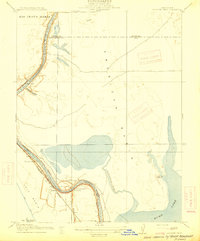 1915 Elkhorn Weir1915 Print · USGSThe Sacramento Valley in the early 1900s was a landscape defined by the river and its vast basins. Genealogists and historians can trace early landings and river crossings at Datey's Ferry, Mound Ranch, and the Elkhorn Weir.
 - 1916 Map of Lovdal
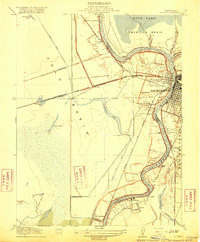 1916 Lovdal1916 Print · USGSNear the confluence of the American and Sacramento Rivers in the early 1900s, this area shows a landscape defined by levees and early rail lines. Genealogists and historians can locate the Lisbon School, the Washington Broderick P O, and industry at the Brickyard.
 - 1916 Map of Babel Slough
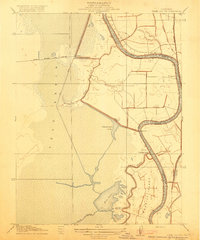 1916 Babel Slough1916 Print · USGSYolo and Sacramento counties meet along the river in the early twentieth century, showing a landscape defined by water and new reclamation canals. Genealogists and local historians can trace riverfront settlements at Clarksburg and Freeport, find the Free County Ferry, and locate the Indian Mound near Big Lake.
 - 1941 Map of Franklin, 1942 Print
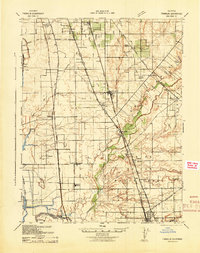 1941 Franklin1942 Print · USGSSacramento and San Joaquin counties are depicted here in the early 1940s, highlighting a vital agricultural and rail corridor. Researchers can trace family-named school districts and early industry like the Bradford Winery, Hicksville, and the Sacramento Co Old Mens Home.
 - 1947 Map of Sacramento, 1948 Print
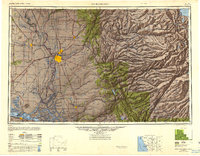 1947 Sacramento1948 Print · USGSThe Sacramento Valley meets the high Sierra during a period of post-war expansion. Trace the historic river delta islands like Grand Island or locate early airfield footprints at McClellan Air Force Base and Mather Air Force Base.2 unique versions available
 - 1948 Map of Sacramento, 1951 Print
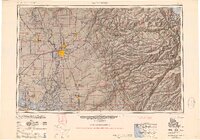 1948 Sacramento1951 Print · USGSPost-war Northern California comes alive in this regional survey, capturing the era of expansion between the Central Valley and the High Sierra. Researchers can trace the rail networks of the Central California Traction and Sacramento Northern RR or locate landmarks like the State Capitol and University of California Davis.
 - 1948 Map of Sacramento West, 1958 Print
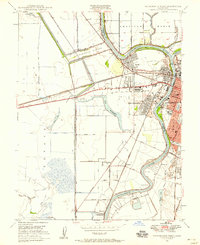 1948 Sacramento West1958 Print · USGSYolo County and the western edge of the state capital are seen here in the late forties during a period of rapid post-war growth. Genealogists and historians can trace neighborhood development in Bryte and Broderick or locate landmarks like Peethill and the Yolo Causeway.
 - 1949 Map of Sacramento West
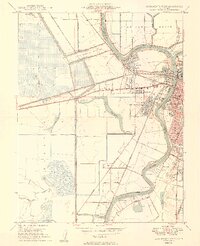 1949 Sacramento West1949 Print · USGSWest Sacramento and the neighboring river communities are documented here just after the war, showing the vital levee systems and rail lines of Yolo County. Genealogists and historians can trace Bryte, Broderick, and early neighborhood sites like Westacre Sch.2 unique versions available
 - 1949 Map of Sacramento East
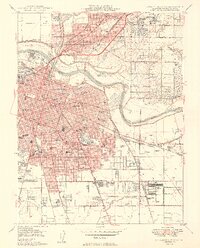 1949 Sacramento East1949 Print · USGSSacramento and its northern suburbs are shown in detail during the late 1940s, capturing the city's growth and its rail-centered economy. Genealogists and historians can trace neighborhood landmarks from St Marys Cemetery to the State Fairgrounds and the U S Army Signal Depot.2 unique versions available
 - 1950 Map of Carmichael
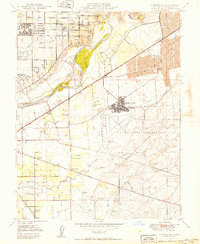 1950 Carmichael1950 Print · USGSThe Sacramento Valley landscape appears here in the years following World War II, defined by the growth of Carmichael and the presence of Mather Field. Researchers can trace early railroad stops like Walsh Station and find family landmarks including Mathew Kilgore Cem and Mayhew Ch.2 unique versions available
 - 1950 Map of Rio Linda, 1955 Print
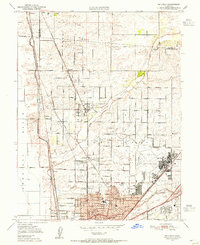 1950 Rio Linda1955 Print · USGSNorthern Sacramento at mid-century reveals the growth of Rio Linda and the strategic footprint of the military. Trace the 1950s landscape of McClellan Field, the campus of Grant Tech College, and the rail lines of the Sacramento Northern RR.
 - 1950 Map of Taylor Monument, 1960 Print
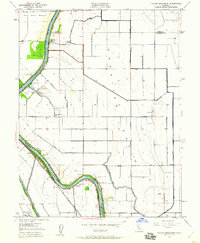 1950 Taylor Monument1960 Print · USGSThe Sacramento River delta and American Basin are shown here in the mid-century, defined by an intricate system of levees and canals. You can trace the Sacramento Northern rail line and locate rural landmarks like American Basin School and Kiesel.
 - 1951 Map of Taylor Monument
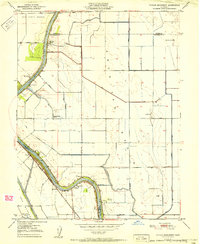 1951 Taylor Monument1951 Print · USGSThe Sacramento River delta and American Basin are shown at mid-century during a period of significant agricultural and infrastructure development. Trace local family history at Monument Sch, follow the Sacramento Northern rail, or locate the site of Radio Sta KCRA.
 - 1951 Map of Rio Linda
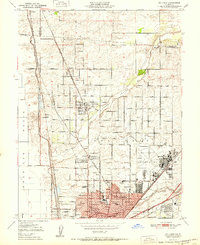 1951 Rio Linda1951 Print · USGSSacramento County's northern outskirts undergo a period of post-war growth as military installations and suburban neighborhoods expand into the valley. Researchers can trace the development of McClellan Field, find family roots at Grant Mem Park, or follow the historic Sacramento Northern rail line.
 - 1951 Map of Citrus Heights, 1952 Print
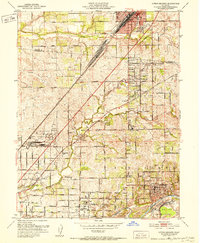 1951 Citrus Heights1952 Print · USGSNortheast of Sacramento in the early fifties, the landscape was quickly evolving from agricultural ranch lands into bustling suburbs. Genealogists and historians can trace the foundations of Citrus Heights through its early schools like Sylvan Sch and the industrial Dredge Tailings along the American River.3 unique versions available
 - 1952 Map of Clarksburg, 1954 Print
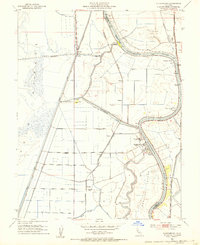 1952 Clarksburg1954 Print · USGSThe Sacramento River delta comes alive in the early 1950s, showing the intersection of heavy industry and ancient landmarks. Trace the agricultural roots of the region through the Sugar Beet Plant, find the Indian Mound, or locate the vanished stops of the Southern Pacific railroad.2 unique versions available
 - 1952 Map of Courtland, 1959 Print
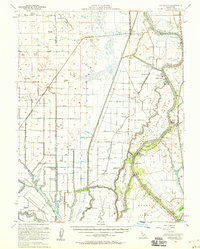 1952 Courtland1959 Print · USGSThe Sacramento Delta comes alive in the early fifties, showing a landscape defined by river commerce and sprawling ranch holdings. Family researchers can locate Tremont Cem, Liberty Sch, and long-established properties like Glide Ranch and Maxwell Ranch.3 unique versions available
Showing maps 1-25 of 49
Top cities near Sacramento
- Elk Grove historical maps
- Roseville historical maps
- Citrus Heights historical maps
- Davis historical maps
- Rancho Cordova historical maps
- Woodland historical maps
See more
Top neighborhoods of Sacramento
- Pollock historical maps
- Elvas historical maps
- Del Paso historical maps
- Hagginwood historical maps
- Robla historical maps
- North Sacramento historical maps
See more
Frequently asked questions
- What are the different types of historical maps available for Sacramento?
- What is the oldest map of Sacramento?
- Where can I purchase historical maps of Sacramento for my home or office?
- Where can I download high-res historical maps of Sacramento?
- Are there historical topographic maps available for Sacramento?
- Is there historical aerial imagery available for Sacramento?
- Where are historical maps of Sacramento sourced from?