Old Maps of Wayne, Maine for Genealogy
Trace your family roots with 27 historic maps of Wayne. These high-res maps reveal old neighborhoods, homesites, landmarks, and streets — helping you uncover where your ancestors lived and how the area evolved over time.
- Explore historic neighborhoods: Identify where your relatives may have lived in the 1800s or 1900s.
- Compare maps over time: Trace the changes in streets, buildings, and landmarks for multi-generational research.
- Perfect for genealogy & ancestry research: Used by family historians and researchers to map out lineage and migration.
These maps are an incredible resource for exploring your personal connection to Wayne's past.
Wayne, ME maps
(27)- 1910 Map of Livermore, 1959 Print
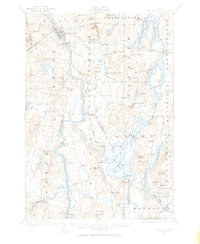 1910 Livermore1959 Print · USGSMaine's river valleys and lake districts are captured here in the early twentieth century, showing a network of rail-reliant mill towns and rural crossroads. Genealogists can locate family landmarks like Howes Corner and Brettuns Mills, or trace local schools like Saunders School.
 - 1912 Map of Livermore
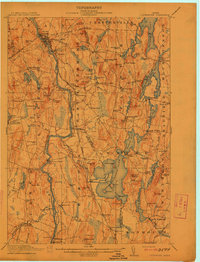 1912 Livermore1912 Print · USGSMaine's lake district comes to life in this pre-war survey of the Androscoggin River valley. Genealogists and historians can trace old homesteads and landmarks like Brettuns Mills Livermore P O, Strickland Ferry, and Monmouth Academy.5 unique versions available
 - 1941 Map of Livermore
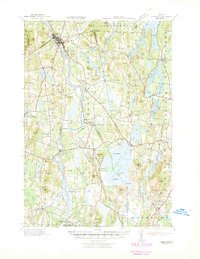 1941 Livermore1941 Print · USGSAndroscoggin County at the start of the 1940s is a landscape defined by the river and rail economy between Livermore Falls and Wayne. Genealogists can trace family footprints across numerous rural districts, locating Brettuns Mills and the many schoolhouses like Young Sch and Pike Sch.
 - 1950 Map of Lewiston
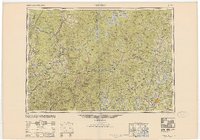 1950 Lewiston1950 Print · USGSThe Maine and New Hampshire borderlands come alive in this post-war survey of the White Mountains and Androscoggin valley. Genealogists and historians can trace rail lines like the Maine Central Railroad and find high-altitude landmarks from Mount Washington to Bretton Woods.2 unique versions available
 - 1956 Map of Lewiston, 1975 Print
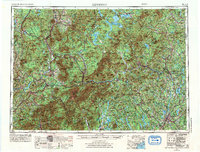 1956 Lewiston1975 Print · USGSThe Northern New England interior is documented here in the mid-fifties, from the industrial Androscoggin River to the high peaks of the White Mountains. Trace the Grand Trunk Railway through mountain passes or locate family landmarks near Sabbathday Lake and Bretton Woods.
 - 1961 Map of Lewiston
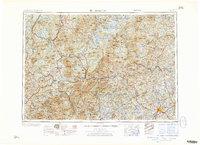 1961 Lewiston1961 Print · USGSWestern Maine and the White Mountains appear here during the early sixties, showing the industrial river towns and vast timberlands before the modern interstate era. Genealogists and historians can trace the Grand Trunk RR through Berlin or locate landmarks like Old Speck Mountain and Elephant Mountain.
 - 1962 Map of Lewiston
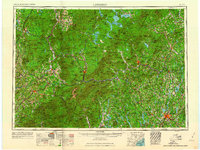 1962 Lewiston1962 Print · USGSThe industrial river valleys and high peaks of Maine and New Hampshire define the region in the early sixties. Trace the rail-and-river network from Lewiston to the White Mountains, passing through mill towns like Berlin and Rumford.
 - 1966 Map of Wayne, 1968 Print
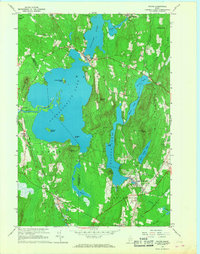 1966 Wayne1968 Print · USGSKennebec County’s lake country is captured in the mid-1960s, showing the vital connection between its waterfront villages and the rail corridor. Researchers can trace the layout of Wayne and North Monmouth, or locate local landmarks like Monmouth Academy and the Lookout Tower atop Mt Pisgah.3 unique versions available
 - 1966 Map of Fayette, 1968 Print
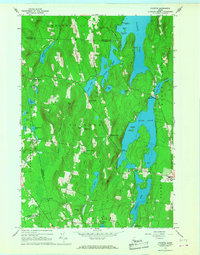 1966 Fayette1968 Print · USGSThe Kennebec County lake country is captured here in the mid-sixties, showing a landscape defined by seasonal camps and traditional crossroads settlements. Genealogists and local historians can locate Kent Cem, the old works at Richmond Mill, and Twelve Corners.2 unique versions available
 - 1967 Map of Turner Center, 1969 Print
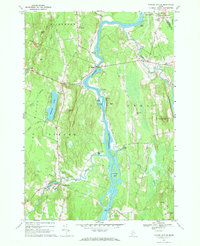 1967 Turner Center1969 Print · USGSThe Androscoggin River valley in the late sixties reveals a network of riverside settlements and rural crossroads. Genealogists and local historians can trace family locations near Maple Grove Cemetery, the Junior High School in Turner Center, or the old landings at Keens Mills.2 unique versions available
 - 1969 Map of Lewiston
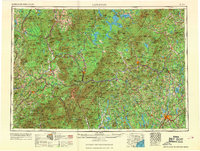 1969 Lewiston1969 Print · USGSThe northern New England highlands come into focus during the mid-fifties, showing the vital rail and river networks connecting industrial centers to the deep woods. Researchers can trace the path of the Grand Trunk RR or locate landmarks like Mt Washington and Rangeley Lake.
 - 1986 Map of Lewiston
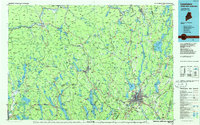 1986 Lewiston1986 Print · USGSMaine’s industrial river valleys and western mountain foothills are captured here in the mid-eighties as rail and road networks tied the region together. Genealogists and historians can trace the development of mill towns and lakefront settlements from Lisbon to Bethel, following the Androscoggin River and the path of the Maine Central Railroad.2 unique versions available
 - 2011 Map of Turner Center, 2011 Print
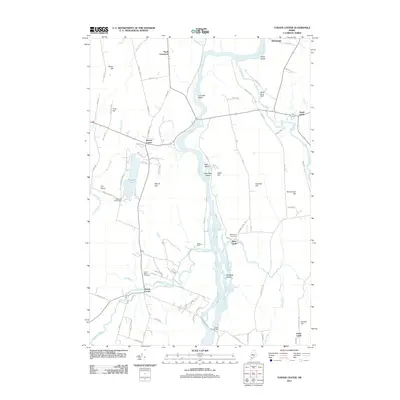 2011 Turner Center2011 Print · USGSAndroscoggin County at the start of the 2010s reveals a network of river-linked hamlets and historic burying grounds. Genealogists and local historians can trace the foundations of Turner Center or find family markers at Keens Mills Cemetery and West Leeds Cemetery.
 - 2011 Map of Fayette, 2011 Print
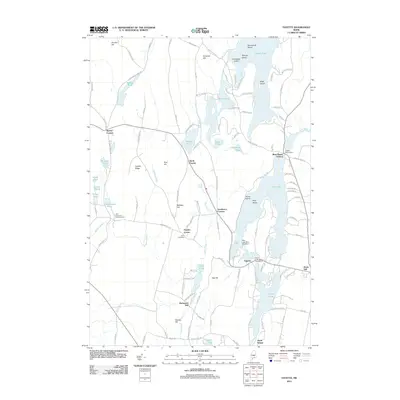 2011 Fayette2011 Print · USGSCentral Maine's lake-strewn interior comes into focus during this early 21st-century survey of the Fayette area. Researchers can trace local heritage through sites like Kent Cemetery, the water-driven history at Richmond Mill, and the small community at Twelve Corners.
 - 2011 Map of Wayne, 2011 Print
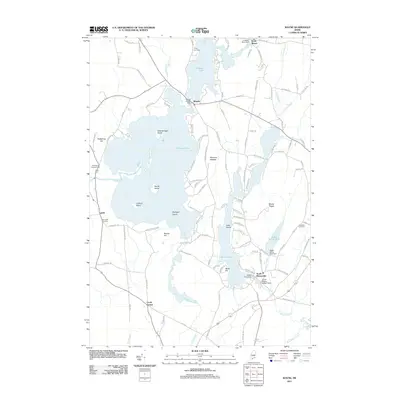 2011 Wayne2011 Print · USGSMaine’s lake country is captured here during the early twenty-first century, showing the established village centers of Wayne and North Monmouth. Researchers can trace old family burial sites at Wing Cemetery and Glenside Cemetery or locate historic water controls like the Wayne Village Dam.
 - 2014 Map of Wayne, 2014 Print
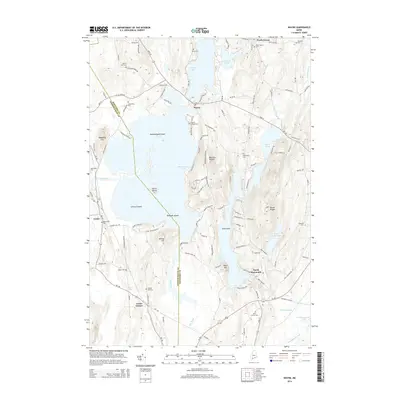 2014 Wayne2014 Print · USGSMaine's lake country is captured here in the early twenty-first century, centered on the waters and islands of Androscoggin Lake. Genealogists and local historians can trace legacy sites like the Old Indian Cem, North Wayne Yard, and the early settlement at Curtis Corner.
 - 2014 Map of Fayette, 2014 Print
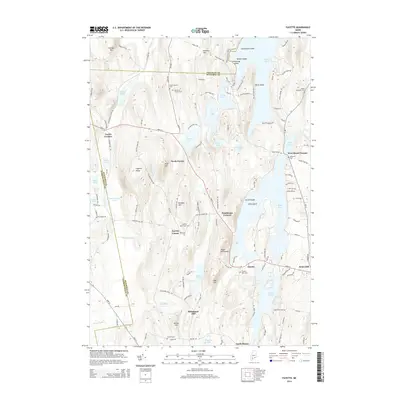 2014 Fayette2014 Print · USGSCentral Maine's pond-laced landscape is captured here in the early twenty-first century, showing the rural character of Kennebec and Androscoggin counties. Genealogists can locate family sites at Fayette Mills Cem, Kent Cem, and the settlement at Richmond Mill.
 - 2014 Map of Turner Center, 2014 Print
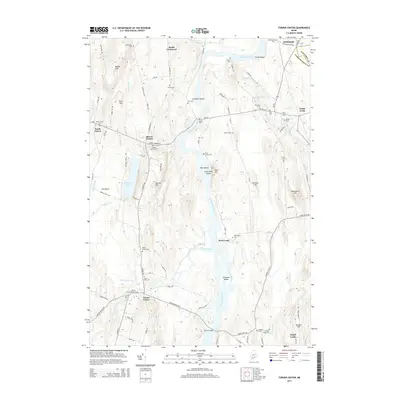 2014 Turner Center2014 Print · USGSThe rural river valley at the Androscoggin and Kennebec county line is captured here in the early twenty-first century. Researchers can locate numerous local burial sites and landmarks like Maple Grove Cem, Turner Bridge, and the community of Howes Corner.
 - 2018 Map of Wayne, 2018 Print
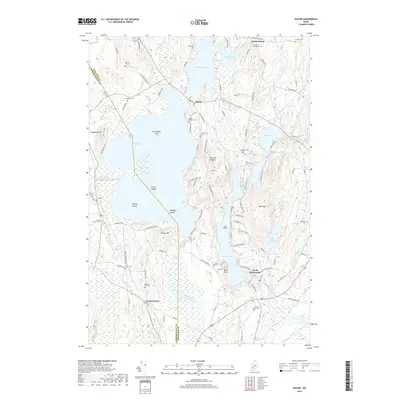 2018 Wayne2018 Print · USGSKennebec County’s lake country is captured here in the late twenty-tens, showing the historic villages of Wayne and North Wayne surrounded by expansive water bodies. Researchers can locate numerous family burial grounds including Evergreen Cem and Lakeshore Cem, or trace the winding course of Wilson Stream.
 - 2018 Map of Turner Center, 2018 Print
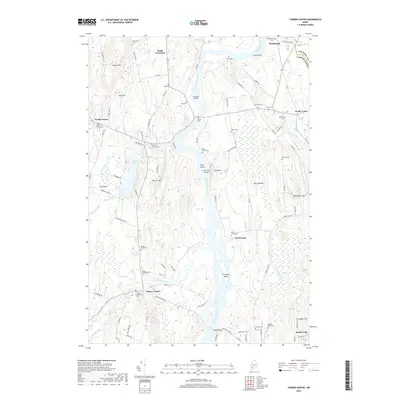 2018 Turner Center2018 Print · USGSAndroscoggin County river communities are captured here in the late twenty-teens, showing the enduring rural character of the region. Researchers can trace family history through dozens of local burial sites like River Grove Cem or locate old crossings along the Androscoggin River and Nezinscot River.
 - 2018 Map of Fayette, 2018 Print
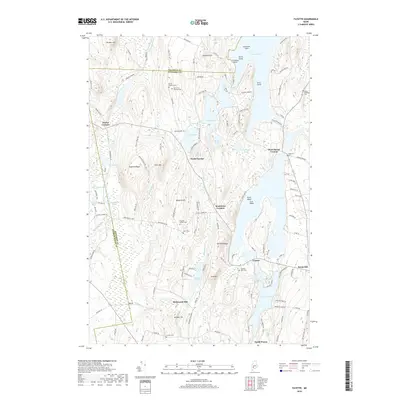 2018 Fayette2018 Print · USGSMaine's lake country in Kennebec County appears here with its dense network of glacial ponds and historic upland settlements. Genealogists can locate numerous burial sites like Old North Fayette Cem and Kent Cem, while tracing the rural landscape of Twelve Corners and Richmond Mill.
 - 2021 Map of Fayette, 2021 Print
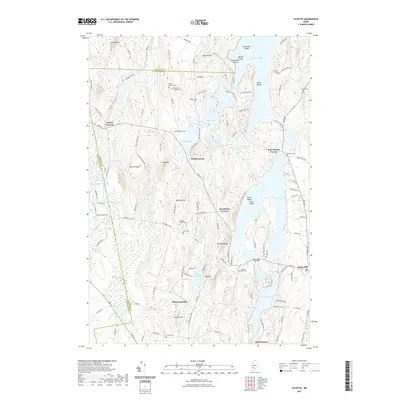 2021 Fayette2021 Print · USGSThe hill country of central Maine is captured here in the early twenty-first century, showing the enduring boundaries of Kennebec and Franklin counties. Genealogists and local historians can locate numerous burial sites like Fellows Cem and Butler Cem near the shores of David Pond and Echo Lake.
 - 2021 Map of Turner Center, 2021 Print
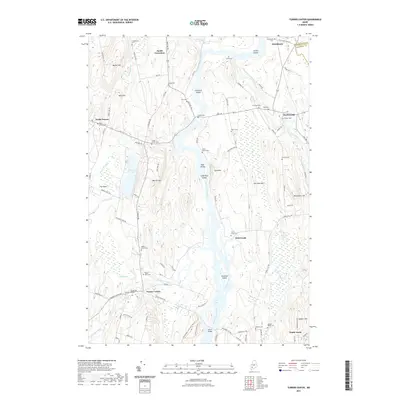 2021 Turner Center2021 Print · USGSMaine's river valleys and rural hamlets are well-documented in this recent survey of the Turner area. Genealogists can trace family roots through numerous burial sites like Quaker Ridge Cem and River Grove Cem near the Androscoggin River.
 - 2021 Map of Wayne, 2021 Print
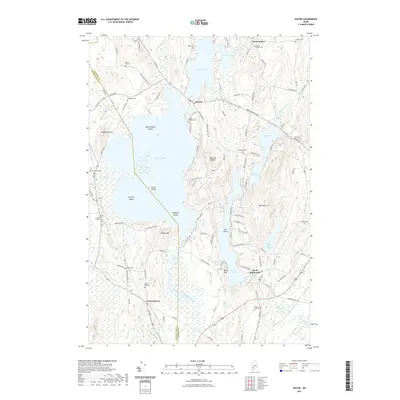 2021 Wayne2021 Print · USGSMaine's lake country near the Kennebec and Androscoggin county line is captured here in detail during the early twenty-first century. Genealogists can locate over a dozen burial grounds like Old Indian Cem and Wayne Village Cem scattered between Androscoggin Lake and Mt Pisgah.
 - 2024 Map of Wayne, 2024 Print
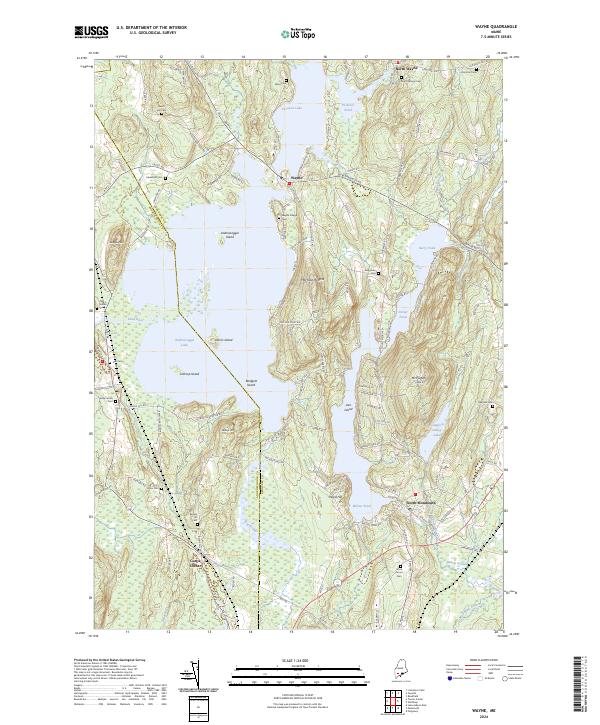 2024 Wayne2024 Print · USGSKennebec County lake country is beautifully detailed in the 2020s, showing the intricate shoreline of Androscoggin Lake and its islands. Genealogists can locate over a dozen burial grounds like Wayne Village Cem, Beech Hill Cem, and Old Indian Cem.
Showing maps 1-25 of 27
Top cities near Wayne
- Lewiston historical maps
- Auburn historical maps
- Winthrop historical maps
- Gardiner historical maps
- Turner historical maps
- Sabattus historical maps
See more
Top neighborhoods of Wayne
Frequently asked questions
- What are the different types of historical maps available for Wayne?
- What is the oldest map of Wayne?
- Where can I purchase historical maps of Wayne for my home or office?
- Where can I download high-res historical maps of Wayne?
- Are there historical topographic maps available for Wayne?
- Is there historical aerial imagery available for Wayne?
- Where are historical maps of Wayne sourced from?