2000s (21st Century) Maps of Slope County, North Dakota
Explore 190 historic maps of Slope County from the 2000s (21st Century). These maps offer a rare glimpse into what life looked like during the 2000s — showing old roads, neighborhoods, homes, and landmarks that have changed or disappeared over time.
Whether you're researching your family's past, planning a metal detecting trip, or studying how Slope County's landscape evolved across the 2000s, these high-resolution maps are a powerful tool for exploring the history of this region.
- Focus on a specific era: All maps on this page are from the 2000s, giving you a focused view of this time period.
- See what’s changed: Compare century-old streets, trails, and buildings to today's modern landscape using overlays and satellite layers.
- Research with precision: Use these maps for genealogy, historical research, land use analysis, or educational projects.
- View, download, or print: Maps are fully viewable online in high resolution, and can be downloaded or printed for your own records.
Start exploring Slope County's history through authentic maps from the 2000s. This is your window into the past.
Slope County, ND maps
(190)- 2011 Map of Boyce Creek East, 2011 Print
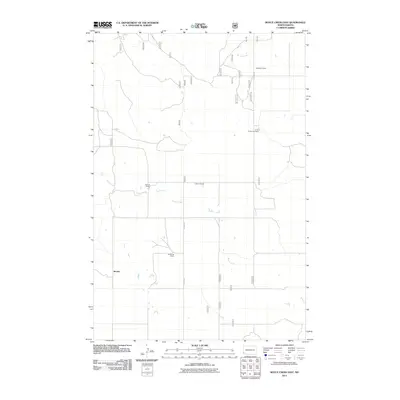 2011 Boyce Creek East2011 Print · USGSSlope County ranchlands are documented here in the early 2000s, showing the intersection of family heritage and the prairie landscape. Genealogists and local historians can trace specific homesteads such as Wolfgrum Ranch, Mound, and Janikowski Ranch.
 - 2011 Map of Marmarth, 2011 Print
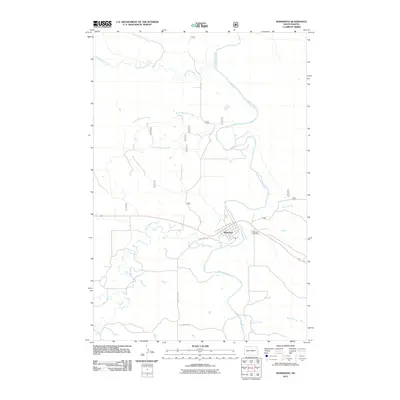 2011 Marmarth2011 Print · USGSMarmarth sits at a sharp bend in the Little Missouri River during the early 2000s, serving as a remote hub for southwestern North Dakota. Genealogists and local historians can trace the town's layout and find nearby Riverside Cemetery, Little Beaver Creek, and Bacon Creek.
 - 2011 Map of Rocky Ridge South, 2011 Print
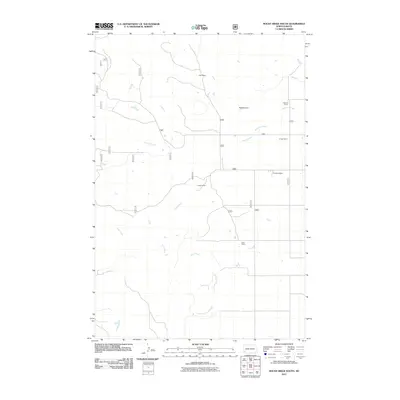 2011 Rocky Ridge South2011 Print · USGSSlope County ranching traditions are preserved here during the early 2000s, showing the isolated homesteads and water sources of the high plains. Researchers can locate family landmarks such as the Kruger Ranch, Erickson Ranch, and the Peterson Dam.
 - 2011 Map of Daglum SE, 2011 Print
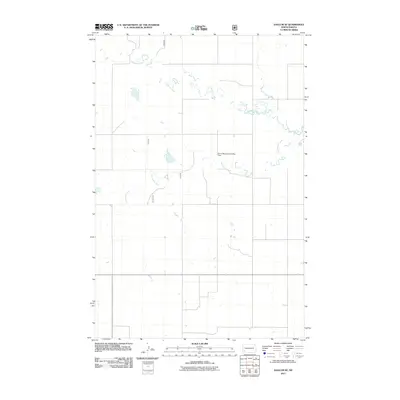 2011 Daglum SE2011 Print · USGSNorth Dakota's High Plains in Slope County are shown here during the early twenty-first century, featuring the drainage of the Cannonball River. Researchers can trace the path of Philbrick Creek and locate the isolated Dovre Municipal Landing Field.
 - 2011 Map of Rocky Ridge North, 2011 Print
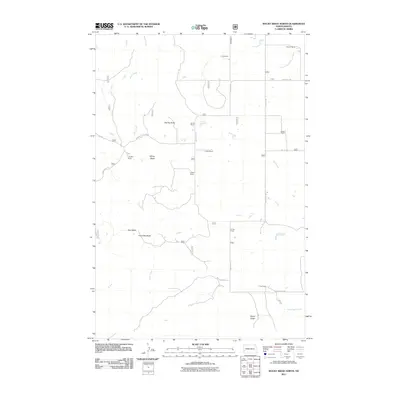 2011 Rocky Ridge North2011 Print · USGSSlope County ranching country is documented here in the early twenty-first century, showing the enduring pattern of large family holdings and butte landmarks. Researchers can trace land use and homestead locations like the Fugere Ranch, Smith Ranch, and the Rocky Ridge elevation.
 - 2011 Map of Daglum SW, 2011 Print
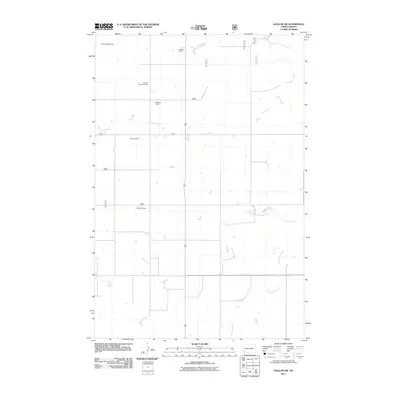 2011 Daglum SW2011 Print · USGSSlope County ranching and energy extraction are documented here during the early twenty-first century. Genealogists and historians can locate family landmarks like H Howie Ranch and Peaceful Valley Cemetery or trace the winding Cannonball River.
 - 2011 Map of Deep Creek North, 2011 Print
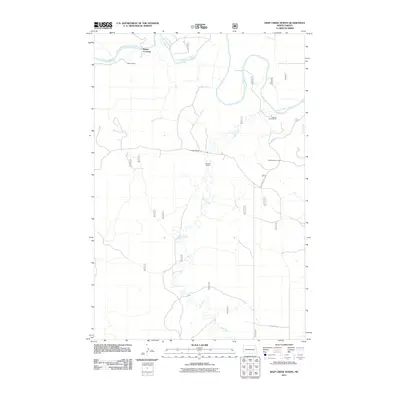 2011 Deep Creek North2011 Print · USGSThe North Dakota Badlands landscape of the early twenty-first century is captured here, centered on the ranching culture of Slope County. Researchers can trace the connection between river and range at Walser Crossing, the Logging Camp Ranch, and the Ponderosa Pine Area.
 - 2011 Map of Ives, 2011 Print
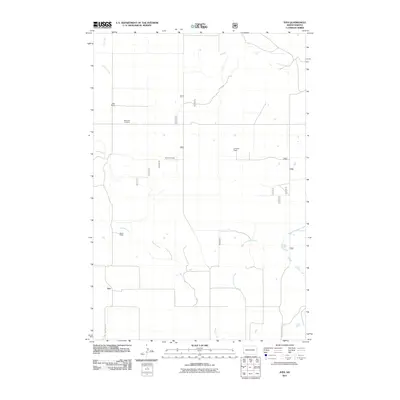 2011 Ives2011 Print · USGSBowman County ranchlands are documented here in the early twenty-first century, showing a landscape defined by family homesteads and prairie creeks. Researchers can trace local genealogy and land use through sites like Saint Paul Cemetery, Oldis Ranch, and the settlement of Ives.
 - 2011 Map of Black Butte, 2011 Print
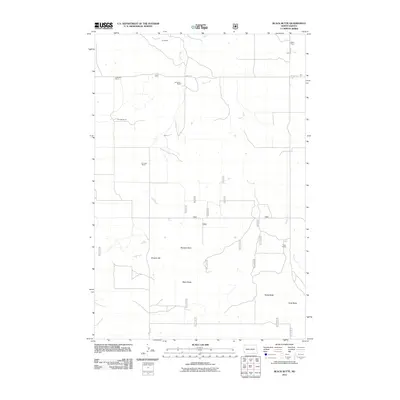 2011 Black Butte2011 Print · USGSSlope County ranching and the high-plains terrain are documented in this early 21st-century survey. Researchers can trace historic family landholdings like the G Lorge Ranch and Miller Ranch or locate landmarks such as Black Butte and Tepee Butte.
 - 2011 Map of Daglum, 2011 Print
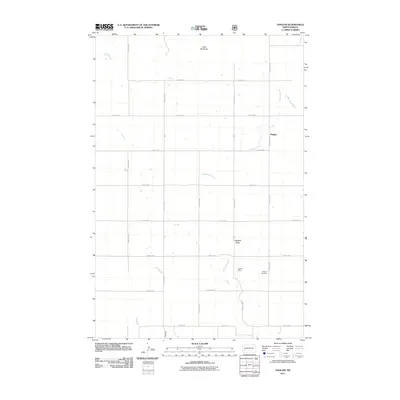 2011 Daglum2011 Print · USGSDaglum and its surrounding farmsteads are captured during the early twenty-first century in this Stark County survey. Genealogists and local historians can locate Daglum Cemetery and trace the paths of Antelope Creek and the Little Badlands.
 - 2011 Map of Bullion Butte, 2011 Print
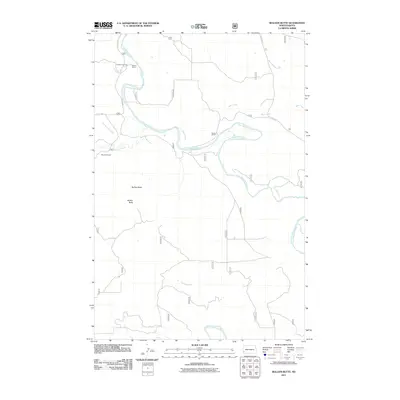 2011 Bullion Butte2011 Print · USGSThe North Dakota badlands near the Little Missouri River are shown here in the early twenty-first century. Researchers can locate family landmarks such as Adams Ranch and Connell Cemetery or trace the drainage of Bear Creek.
 - 2011 Map of White Lake, 2011 Print
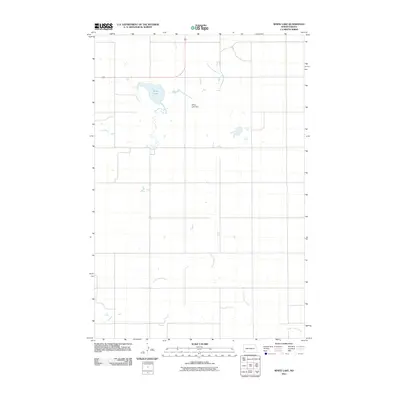 2011 White Lake2011 Print · USGSSlope County remains a landscape of wide-open prairie and essential watercourses in the early twenty-first century. Researchers can trace the path of the Cannonball River and locate landmarks like White Lake and the White Lake Dam.
 - 2011 Map of Daglum NW, 2011 Print
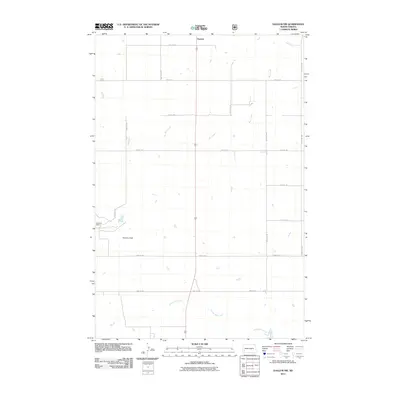 2011 Daglum NW2011 Print · USGSStark County ranch lands and open prairie are captured here in the early twenty-first century. Genealogists and local historians can trace family landholdings near Gaylord or follow the paths of Bull Creek and Adobe Wall Creek through the Swenson Ranch.
 - 2011 Map of Boyce Creek West, 2011 Print
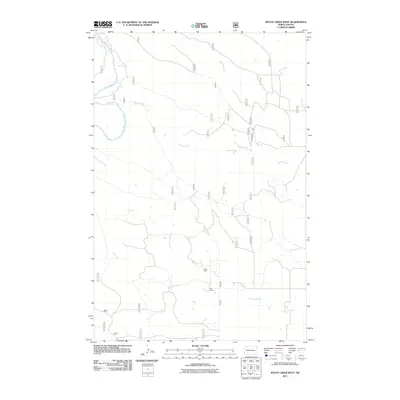 2011 Boyce Creek West2011 Print · USGSSlope County ranching country is captured here in the early twenty-first century, showing the enduring agricultural footprints of the western plains. Researchers can locate established homesteads like Oldis Ranch and Rue Ranch along the breaks of Cash Creek.
 - 2011 Map of Cliffs Plateau, 2011 Print
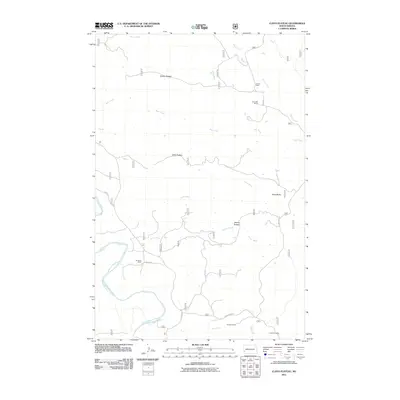 2011 Cliffs Plateau2011 Print · USGSWestern North Dakota ranching country is captured here during the early twenty-first century as the landscape remains defined by its rugged river breaks. Genealogists and local historians can locate specific homesteads like M Gerbig Ranch and L Henders Ranch near the winding Little Missouri River.
 - 2011 Map of Three V Crossing, 2011 Print
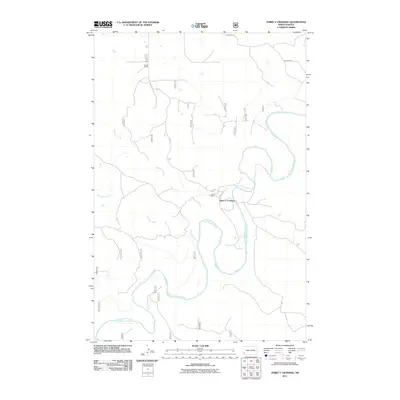 2011 Three V Crossing2011 Print · USGSThe ranchlands of western North Dakota are mapped here in the early twenty-first century along the winding Little Missouri River. Researchers can trace local landmarks like Three V Crossing, the Three V Ranch, and the path of Bull Run Creek across the terrain.
 - 2011 Map of Williams Lake, 2011 Print
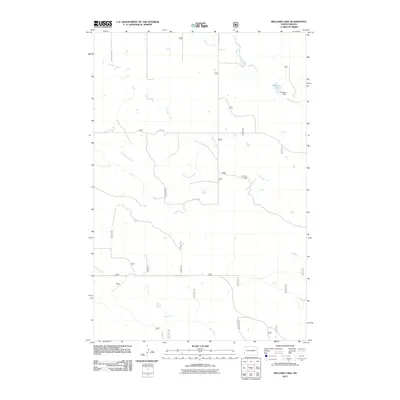 2011 Williams Lake2011 Print · USGSSlope County ranch lands are captured here in the early twenty-first century, showing the intersection of water management and rural industry. Researchers can trace the drainage of Bull Run Creek or locate local landmarks like the Northrup Ranch and Williams Dam.
 - 2011 Map of Spring Creek, 2011 Print
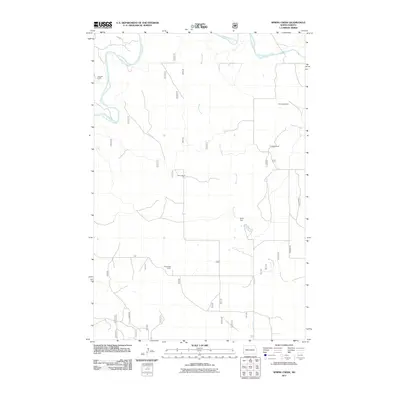 2011 Spring Creek2011 Print · USGSThe ranching country of Slope County is captured here in the early twenty-first century, showing the enduring agricultural character of western North Dakota. Researchers can locate specific family holdings such as the Seymanski Ranch and Van Doele Ranch along the banks of Spring Creek.
 - 2011 Map of Juniper Spur, 2011 Print
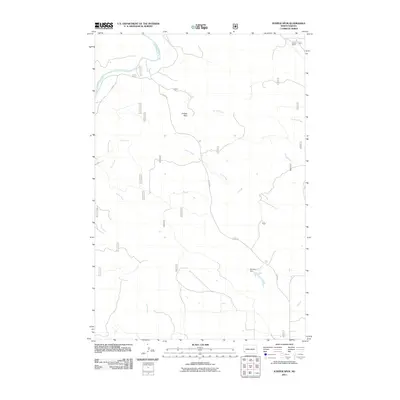 2011 Juniper Spur2011 Print · USGSNorth Dakota's ranching landscape in the early twenty-first century is centered on the drainage of the Little Missouri River. Researchers can locate historic property lines and water features like Hayden Ranch, J J J Ranch, and the Hamann Dam.
 - 2011 Map of West Fork Deep Creek, 2011 Print
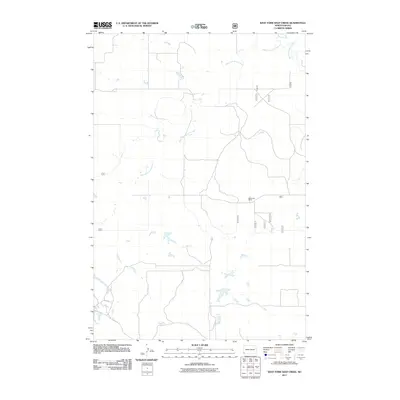 2011 West Fork Deep Creek2011 Print · USGSThe ranching country of western North Dakota is shown here as it appeared in the early 2000s. Genealogists and local historians can trace family landholdings like Bloomgren Ranch and follow the intricate drainage of West Fork Deep Creek and East Fork Deep Creek.
 - 2011 Map of Stewart Lake, 2011 Print
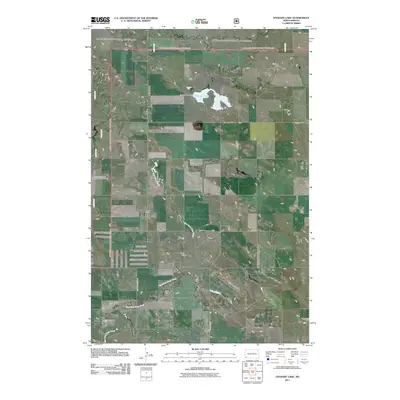 2011 Stewart Lake2011 Print · USGSSlope County's high plains and drainage networks are documented in this early twenty-first century survey. Researchers can trace the water levels of Stewart Lake and locate rural landmarks such as the Stuber Ranch and Stewart Lake Dam.
 - 2011 Map of Marmarth SE, 2011 Print
 2011 Marmarth SE2011 Print · USGSSouthwestern North Dakota ranchlands are documented here in the early twenty-first century, showing the isolated settlement of Mazda. Researchers can trace the drainage basins of Indian Creek and Hay Creek or locate the site of Merz Ranch along these rural routes.
 - 2011 Map of Dry Bullion Creek, 2011 Print
 2011 Dry Bullion Creek2011 Print · USGSWestern North Dakota ranching country is captured here during the early twenty-first century as the landscape remained dominated by large family operations. Genealogists and researchers can trace the locations of the Van Daele Ranch and Howard Ranch along the banks of the Little Missouri River.
 - 2011 Map of Mineral Springs, 2011 Print
 2011 Mineral Springs2011 Print · USGSSlope County remains a landscape of wide-open prairie and winding watercourses in this early twenty-first-century survey. Researchers can trace the meandering paths of Cedar Creek and its branches or locate landmarks like the Bob Denny Hills.
 - 2011 Map of Amidon, 2011 Print
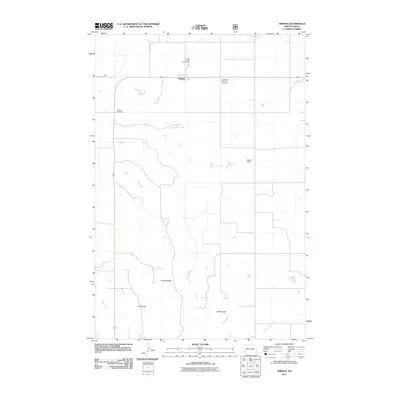 2011 Amidon2011 Print · USGSAmidon and the high plains of Slope County are captured here in the early twenty-first century. Family historians and researchers can locate Saints Peter and Paul Cemetery, the Slope County Fairgrounds, and the landmark elevations of White Butte.
Showing maps 1-25 of 190
Top cities of Slope County
Frequently asked questions
- What are the different types of historical maps available for Slope County?
- What is the oldest map of Slope County?
- Where can I purchase historical maps of Slope County for my home or office?
- Where can I download high-res historical maps of Slope County?
- Are there historical topographic maps available for Slope County?
- Is there historical aerial imagery available for Slope County?
- Where are historical maps of Slope County sourced from?