Old Maps of Terry County, Texas for Genealogy
Trace your family roots with 163 historic maps of Terry County. These high-res maps reveal old neighborhoods, homesites, landmarks, and streets — helping you uncover where your ancestors lived and how the area evolved over time.
- Explore historic neighborhoods: Identify where your relatives may have lived in the 1800s or 1900s.
- Compare maps over time: Trace the changes in streets, buildings, and landmarks for multi-generational research.
- Perfect for genealogy & ancestry research: Used by family historians and researchers to map out lineage and migration.
These maps are an incredible resource for exploring your personal connection to Terry County's past.
Terry County, TX maps
(163)- 1954 Map of Hobbs, 1963 Print
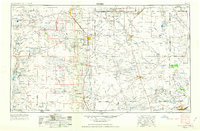 1954 Hobbs1963 Print · USGSThe High Plains and Permian Basin transition is captured here at the height of the mid-century energy boom. Genealogists and industrial historians can trace the foundations of Humble City, locate the Potash Mine and Plant, and follow the Texas-New Mexico RR.2 unique versions available
 - 1954 Map of Brownfield, 1975 Print
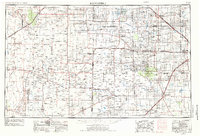 1954 Brownfield1975 Print · USGSThe High Plains of the Texas-New Mexico border are captured here in the mid-twentieth century, as ranching and oil extraction shaped the Llano Estacado. Genealogists and historians can trace small rural centers like Lums Chapel, Hillburn City, and the Friendship Sch amid a landscape of windmills.2 unique versions available
 - 1957 Map of Meadow, 1958 Print
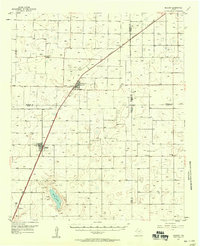 1957 Meadow1958 Print · USGSThe West Texas cotton and rail corridor comes alive in this mid-century survey of the High Plains. Genealogists and local historians can trace the foundations of Meadow and Ropesville or locate family sites near Lakeview Ch and the Meadow Cem.
 - 1958 Map of Brownfield
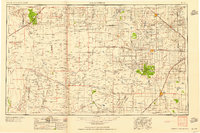 1958 Brownfield1958 Print · USGSThe High Plains of the Texas-New Mexico border are captured here during a mid-century oil boom. Genealogists and historians can trace old community sites like Lums Chapel and Tokio alongside the vast Levelland and Slaughter Oil and Gas Field.
 - 1958 Map of Hobbs
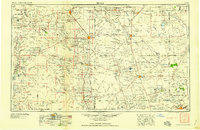 1958 Hobbs1958 Print · USGSThe High Plains of the Texas-New Mexico border are shown here during the height of the mid-century oil boom. Genealogists and historians can trace the development of Hobbs, Lovington, and Jal, alongside ranching landmarks like James Ranch and the early Texas-New Mexico Railway.
 - 1962 Map of Brownfield
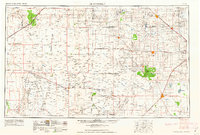 1962 Brownfield1962 Print · USGSThe High Plains of Texas and New Mexico are captured in the early sixties as a thriving hub of oil production and ranching. Researchers can trace the industrial footprint of the Levelland and Slaughter Oil and Gas Field or locate smaller towns like Sundown and Littlefield.
 - 1965 Map of Sundown, 1966 Print
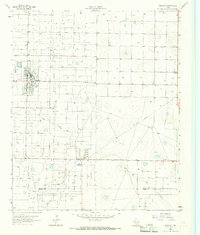 1965 Sundown1966 Print · USGSThe Texas High Plains oil economy is on full display in the mid-1960s as extraction grids define the landscape around the town of Sundown. Researchers can trace the massive Slaughter and Levelland Gas and Oil Field and the rural settlement at Clauene.
 - 1965 Map of Plains 1 NE, 1966 Print
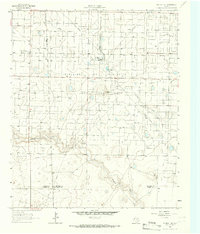 1965 Plains 1 NE1966 Print · USGSMid-century West Texas comes into focus as a center of petroleum and rail activity on the high plains. Researchers can trace the sprawling Levelland and Slaughter Oil and Gas Field, the Girls Town USA settlement, and the Atchison Topeka and Santa Fe line.2 unique versions available
 - 1965 Map of Lockettville, 1966 Print
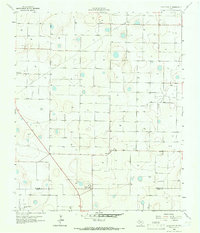 1965 Lockettville1966 Print · USGSThe High Plains of West Texas are captured here in the mid-1960s, a period of booming petroleum production and agricultural development. Researchers can locate specific industrial landmarks like the Cotton Gin and trace the extent of the West Ropes Oil Field near Lockettville.
 - 1969 Map of Brownfield East, 1971 Print
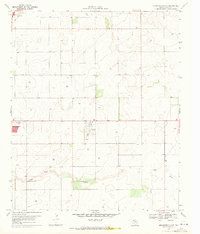 1969 Brownfield East1971 Print · USGSTerry County during the late sixties shows the steady growth of a High Plains community. Genealogists and local historians can trace the outskirts of Brownfield and identify key sites like the Terry County Airport and the meandering path of Lost Draw.
 - 1969 Map of Gomez, 1971 Print
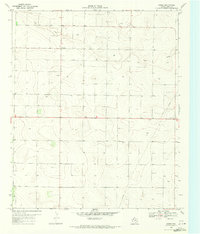 1969 Gomez1971 Print · USGSTerry County, Texas, is captured here in the late sixties, showing a landscape defined by water management and rural settlement. Researchers can trace the exact footprint of Gomez, locate several Gravel Pits, and follow the seasonal path of Lost Draw.
 - 1969 Map of Plains 1 SE, 1971 Print
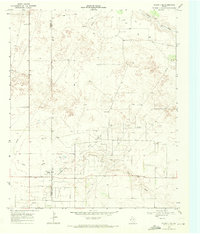 1969 Plains 1 SE1971 Print · USGSThe High Plains of West Texas are captured here in the late sixties as the local petroleum economy matured. Genealogists and historians can trace the Prentice Gas Field across the county line, locating the Refinery, Radio Tower, and Sulphur Draw.3 unique versions available
 - 1969 Map of Foster, 1971 Print
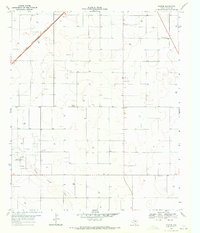 1969 Foster1971 Print · USGSTerry County during the late sixties reveals a landscape of ranching and early energy extraction. Genealogists and local historians can trace the community of Foster, the Foster Cem, and the path of the Atchison Topeka and Santa Fe railroad.2 unique versions available
 - 1969 Map of Welch East, 1971 Print
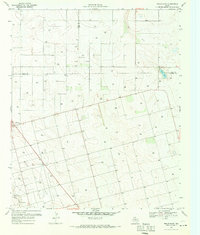 1969 Welch East1971 Print · USGSThe Texas South Plains in the late sixties reveals a landscape shaped by the Welch Oil Field at the junction of three counties. Genealogists and researchers can locate the Pride Cem and trace the small rural communities of Pride and Milo.
 - 1969 Map of Sundown SE, 1971 Print
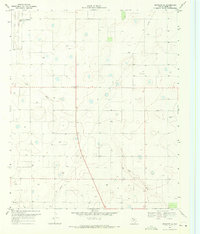 1969 Sundown SE1971 Print · USGSTerry County's high-plains landscape comes into focus during the late 1960s, showing a region defined by agriculture and energy. Genealogists and historians can trace the local economy through the Cotton Gin at Needmore and the COUNTY AUXILIARY AIRFIELD.2 unique versions available
 - 1969 Map of Mound Lake, 1971 Print
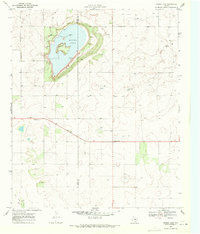 1969 Mound Lake1971 Print · USGSMound Lake straddles the Terry and Lynn county line in the late sixties, capturing a landscape of High Plains ranching and oil extraction. Researchers can locate the West Point settlement, the rest stop at Roadside Park, and the winding course of Lost Draw.
 - 1969 Map of Loop, 1971 Print
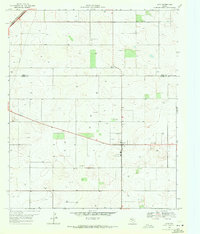 1969 Loop1971 Print · USGSThe West Texas plains near Loop are captured in the late sixties, showing a landscape defined by ranching and energy. Genealogists and researchers can trace local land divisions via fence lines and locate industrial features like Gas Wells and the Atchison Topeka and Santa Fe railroad.
 - 1969 Map of Ashmore, 1971 Print
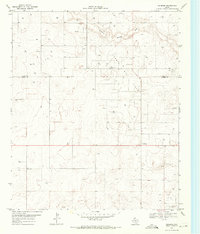 1969 Ashmore1971 Print · USGSThe South Plains oil economy is on full display in the late sixties along the Gaines and Terry county line. Researchers can trace the infrastructure of the Adair Oil Field, the central Refinery, and small rural outposts like Ashmore and Adair.2 unique versions available
 - 1969 Map of New Moore, 1971 Print
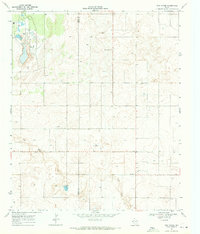 1969 New Moore1971 Print · USGSLynn and Terry Counties are captured in the late sixties, showing a landscape defined by ranching and rural utility. Researchers can trace the path of Lost Draw and locate the small settlement of New Moore alongside various family Wells.
 - 1969 Map of Pool, 1971 Print
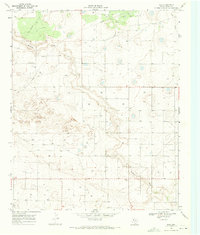 1969 Pool1971 Print · USGSTerry County's high plains are captured here in the late sixties, showing a landscape defined by ranching and petroleum infrastructure. Researchers can locate the settlement of Pool, trace the path of Sulphur Draw, and find rural landmarks like the Landing Strip.2 unique versions available
 - 1969 Map of Union School, 1971 Print
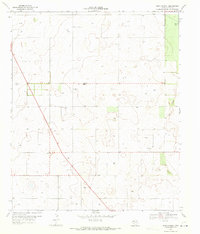 1969 Union School1971 Print · USGSTerry County at the close of the sixties reveals a landscape shaped by petroleum and ranching. Researchers can locate community anchors like the Union Sch and Union Cem or trace the path of Lost Draw.
 - 1969 Map of Welch West, 1971 Print
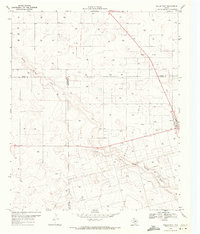 1969 Welch West1971 Print · USGSDawson County and its neighbors are captured here in the late sixties at the height of the local petroleum boom. You can trace the sprawling infrastructure of the Welch Oil Field, the streets of Welch, and the natural path of Sulphur Springs Draw.
 - 1969 Map of Wellman, 1971 Print
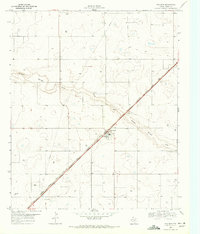 1969 Wellman1971 Print · USGSWellman and the surrounding South Plains were defined by the intersection of rail and resources in the late sixties. Trace the diagonal path of the Atchison Topeka and Santa Fe railroad past Wellman, Lahey, and scattered Gravel Pits.
 - 1969 Map of Brownfield West, 1972 Print
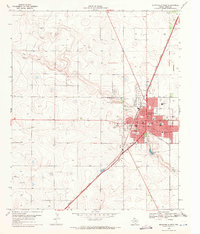 1969 Brownfield West1972 Print · USGSBrownfield entered the late sixties as a bustling plains hub, where the Atchison Topeka and Santa Fe rail line met the growing needs of Terry County. Genealogists can locate several burial sites like Old Mt Zion Cem and trace the original footprints of Oak Grove Sch and City Hall.2 unique versions available
 - 1970 Map of Seagraves, 1973 Print
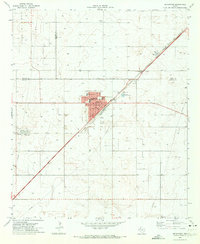 1970 Seagraves1973 Print · USGSSeagraves is captured in the early 1970s at the meeting of Yoakum, Terry, and Gaines counties during a period of steady industrial and oil production. Researchers can locate specific family sites near Webb Cem, trace the ATCHISON TOPEKA AND SANTA FE rail lines, or find the Rodeo Ground.
Showing maps 1-25 of 163
Top cities of Terry County
Frequently asked questions
- What are the different types of historical maps available for Terry County?
- What is the oldest map of Terry County?
- Where can I purchase historical maps of Terry County for my home or office?
- Where can I download high-res historical maps of Terry County?
- Are there historical topographic maps available for Terry County?
- Is there historical aerial imagery available for Terry County?
- Where are historical maps of Terry County sourced from?