Old Maps of Cheyenne, Wyoming for Academic Research
Study the evolution of Cheyenne with 31 high-resolution historic maps. Whether you're teaching, researching, or modeling changes in land use, these maps provide essential visual documentation of urban, environmental, and geographic change.
- Analyze long-term change: Track patterns in development, transportation, and natural features.
- Ideal for environmental or urban studies: Support academic projects with primary historical map data.
- Use in the classroom or lab: Educators and researchers rely on these maps to bring historical context to life.
These maps are a powerful tool for teaching, research, and visualizing how Cheyenne has changed over the decades.
Cheyenne, WY maps
(31)- 1911 Map of Cheyenne, 1961 Print
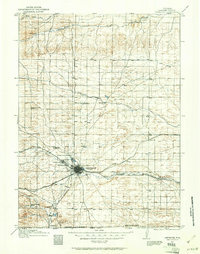 1911 Cheyenne1961 Print · USGSCheyenne was a bustling rail and military center in the years before the Great War. Genealogists and historians can trace the footprint of Fort D.A. Russell and find early rural sites like Campstool and Paola.
 - 1914 Map of Cheyenne
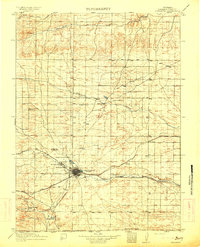 1914 Cheyenne1914 Print · USGSCheyenne stands at the crossroads of three major railroads in the years before the Great War. Researchers can trace the layout of the Fort D.A. Russell Military Reservation and find local landmarks like Ridley School and Campstool.3 unique versions available
 - 1950 Map of Cheyenne
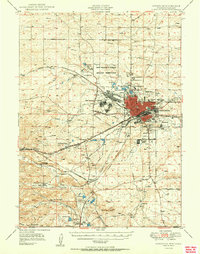 1950 Cheyenne1950 Print · USGSCheyenne and its surrounding high plains are captured here during a period of post-war expansion and military prominence. Researchers can trace the layout of the Fort Francis E Warren Military Reservation or locate family ranch sites like Rees Brothers Ranch and Diamond Camp.
 - 1954 Map of Cheyenne, 1963 Print
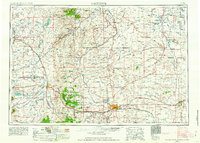 1954 Cheyenne1963 Print · USGSSoutheastern Wyoming's high plains and the capital city's mid-century expansion are documented here during the early Cold War. Genealogists and historians can trace rail-aligned settlements like Pine Bluffs and Hillsdale, or explore landmarks like the Ames Monument and Francis E. Warren Air Force Base.3 unique versions available
 - 1958 Map of Cheyenne
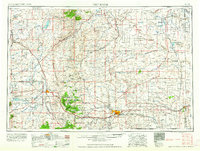 1958 Cheyenne1958 Print · USGSSoutheast Wyoming and the Nebraska border appear in the late 1950s as a hub of military defense and rail commerce. Genealogists can trace the Union Pacific through Cheyenne or locate the Horse Creek Oil Field and the State Capitol.2 unique versions available
 - 1961 Map of Cheyenne South, 1963 Print
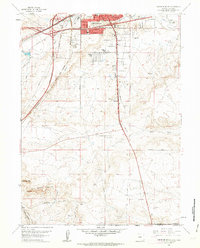 1961 Cheyenne South1963 Print · USGSThe southern outskirts of Cheyenne in the early sixties reveal a landscape of emerging neighborhoods and essential rail hubs. Genealogists and historians can trace the foundations of Orchard Valley and locate landmarks like the Full Gospel Tabernacle and Intermountain Speedway.3 unique versions available
 - 1961 Map of Cheyenne, 1964 Print
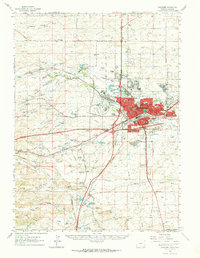 1961 Cheyenne1964 Print · USGSCheyenne and its surrounding high plains are captured here in the early sixties, showing a period of significant military and rail infrastructure. Genealogists and historians can locate old landmarks like Lakeview Cem, the USDA Horticultural Field Station, and early settlements such as Borie and Speer.
 - 1961 Map of Cheyenne North, 1964 Print
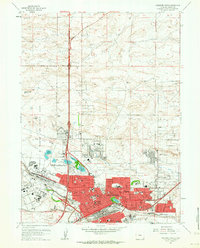 1961 Cheyenne North1964 Print · USGSCheyenne expanded north across the high plains in the early sixties as military and aviation infrastructure matured. Genealogists and historians can trace neighborhood growth through dozens of local schools and churches, from St Marys Sch to the Beth El Cem.3 unique versions available
 - 1963 Map of Archer, 1967 Print
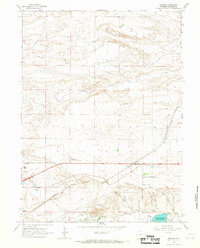 1963 Archer1967 Print · USGSEast of Cheyenne in the early 1960s, this area reflects the intersection of cattle ranching and modern rail infrastructure. Researchers can locate the Wyoming Hereford Ranch, the Dildine Sch, and the Univ of Wyoming Experimental Station along the Union Pacific line.2 unique versions available
 - 1963 Map of Altvan, 1978 Print
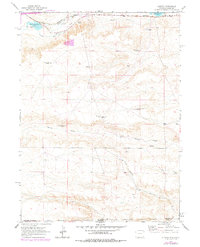 1963 Altvan1978 Print · USGSThe Wyoming and Colorado borderlands in the early sixties reveal a complex landscape of ranching and water rights. Researchers can trace historical property boundaries and livestock infrastructure through Altvan and along the Burlington Northern line, identifying named landmarks like the Century Windmill and Stewart DITCH.
 - 1981 Map of Cheyenne
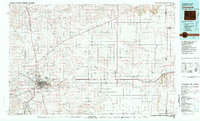 1981 Cheyenne1981 Print · USGSCheyenne and the surrounding high plains are captured here in the early eighties, showcasing the intersection of major rail lines and interstate highways. Genealogists and historians can trace the development of outlying ranching communities like Carpenter, Arcola, and the border town of Pine Bluffs.2 unique versions available
 - 1994 Map of Cheyenne South
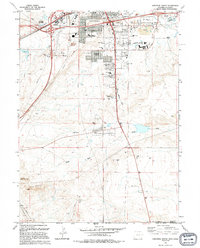 1994 Cheyenne South1994 Print · USGSCheyenne and its southern suburbs are captured in the mid-1990s as the city expanded toward the Colorado line. Genealogists and historians can locate Orchard Valley, the Athol Camp, and numerous local landmarks like Goins Sch and the Intermountain Speedway.2 unique versions available
 - 1994 Map of Cheyenne North
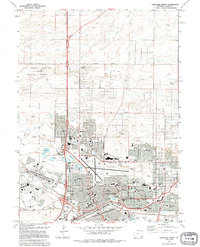 1994 Cheyenne North1994 Print · USGSNorth Cheyenne in the mid-nineties shows the city's steady expansion toward the high plains. Researchers can trace the layout of Francis E Warren Air Force Base and locate community landmarks like Frontier Park (Rodeo Ground) and Sloan Lake.
 - 2010 Map of Altvan, 2010 Print
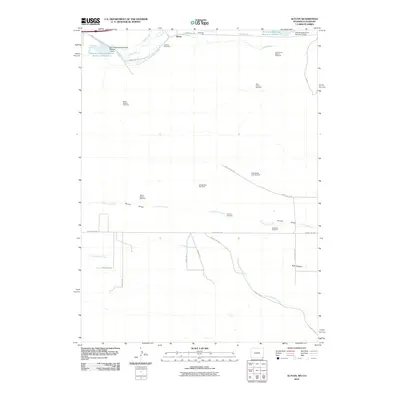 2010 Altvan2010 Print · USGSThe ranching country east of Cheyenne comes into focus here, showing the intricate irrigation systems and named pastures of the early twenty-first century. Researchers can trace the legacy of local agriculture through features like Altvan, Century Windmill, and the Wyoming Hereford Ranch Reservoir Number 1.
 - 2010 Map of Cheyenne South, 2010 Print
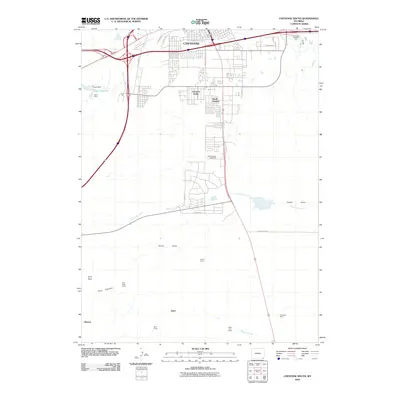 2010 Cheyenne South2010 Print · USGSThe southern outskirts of Cheyenne are documented here in the early 21st century as suburban development meets the high plains. Researchers can trace the expansion of Orchard Valley and locate rural landmarks like Prosser Corral and Athol Camp.
 - 2012 Map of Cheyenne North, 2012 Print
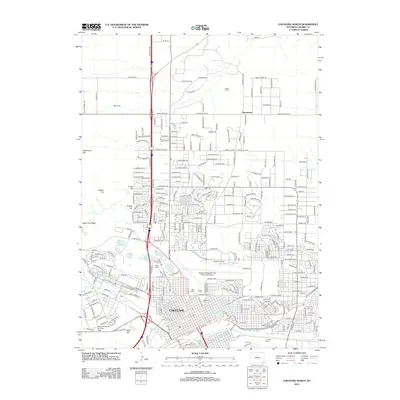 2012 Cheyenne North2012 Print · USGSCheyenne and its northern suburbs are captured in the early 21st century as the city expands across the Wyoming plains. Researchers can locate family sites near Beth El Cem and Olivet Cem, or trace the grounds of Frontier Park.
 - 2012 Map of Archer, 2012 Print
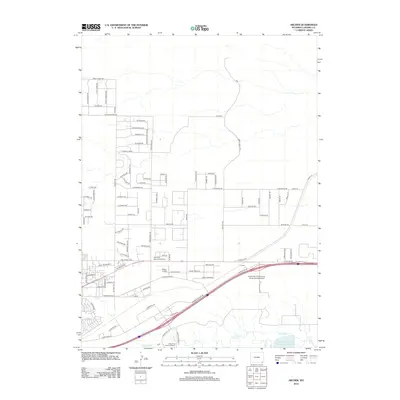 2012 Archer2012 Print · USGSCheyenne's eastern fringe in the early 21st century shows a landscape where research and ranching meet growing residential roads. Researchers can trace the layout of the University of Wyoming Experimental Station or locate Archer and Sloan Airport.
 - 2012 Map of Cheyenne South, 2012 Print
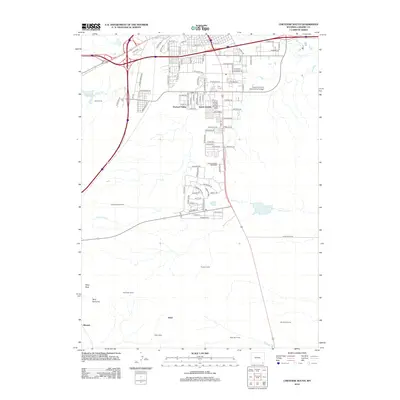 2012 Cheyenne South2012 Print · USGSSouth of Cheyenne during the early 2010s, the plains show a mix of suburban growth and traditional ranching life. Researchers can find specific family landmarks and sites like Terry Peak Camp, Hodge Spring Corral, and the Intermountain Speedway.
 - 2012 Map of Altvan, 2012 Print
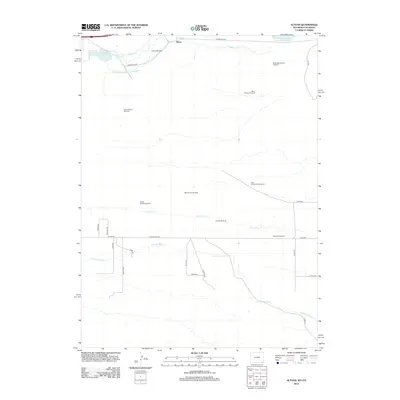 2012 Altvan2012 Print · USGSThe ranching country of Laramie County is captured in this modern survey near the settlement of Altvan. Researchers can trace old livestock landmarks and water works including Century Windmill, Bedortha Windmill, and the Wyoming Hereford Reservoir Number 1.
 - 2015 Map of Archer, 2015 Print
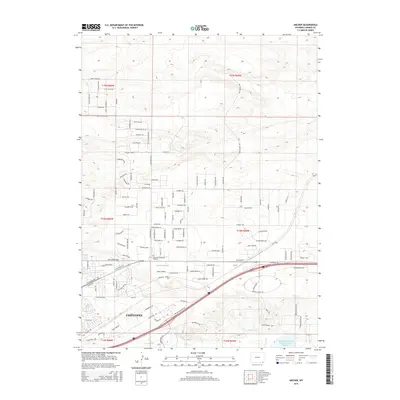 2015 Archer2015 Print · USGSCheyenne's eastern expansion and the ranching lands of Laramie County are documented here during the mid-2010s. Researchers can trace local landmarks and infrastructure from the Sloan Airport and Archer to the waters of Crow Cr.
 - 2015 Map of Cheyenne North, 2015 Print
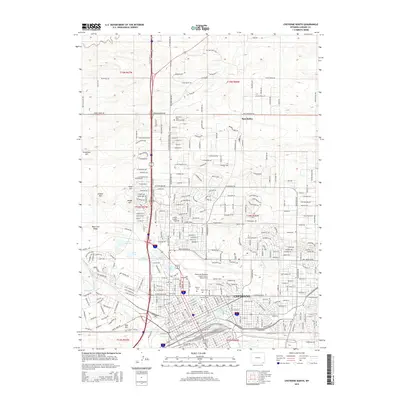 2015 Cheyenne North2015 Print · USGSCheyenne’s northern suburbs and high plains terrain are documented here just as the city continued its modern expansion. Genealogists and historians can locate several major burial sites like Beth El Cem or trace the early flight paths near the Cheyenne Regional Airport.
 - 2015 Map of Altvan, 2015 Print
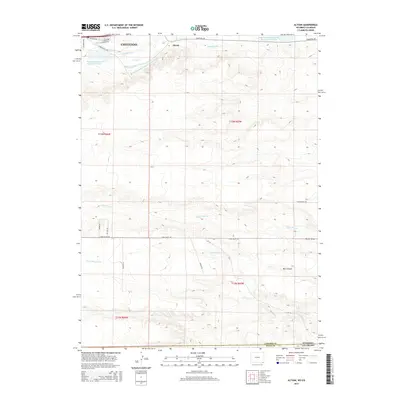 2015 Altvan2015 Print · USGSThe high plains southeast of Cheyenne come into focus in 2015, where large-scale ranching and water engineering define the Laramie County landscape. Researchers can trace irrigation networks like Stewart Ditch and find local landmarks such as Altvan and Bull Canyon.
 - 2015 Map of Cheyenne South, 2015 Print
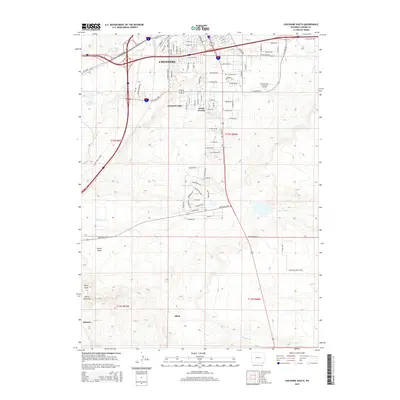 2015 Cheyenne South2015 Print · USGSThe southern outskirts of Cheyenne and the open High Plains meet in this mid-2010s survey. Genealogists and local historians can trace residential growth in Orchard Valley, the Laramie County Community College campus, and rural outposts like Athol and Gleason.
 - 2017 Map of Cheyenne North, 2017 Print
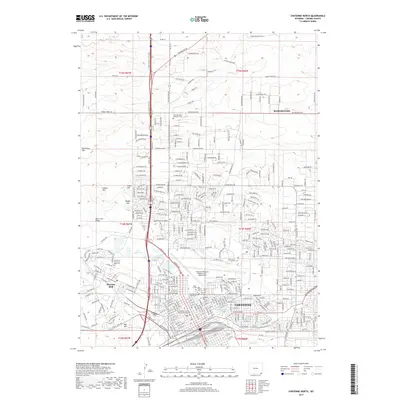 2017 Cheyenne North2017 Print · USGSCheyenne and its northern outskirts are captured here during a period of modern expansion and deep-rooted military heritage. Genealogists and local historians can trace legacy sites like Lakeview Cem, Warren AFB, and the Saint Mary's Catholic Church Columbarium.
 - 2017 Map of Cheyenne South, 2017 Print
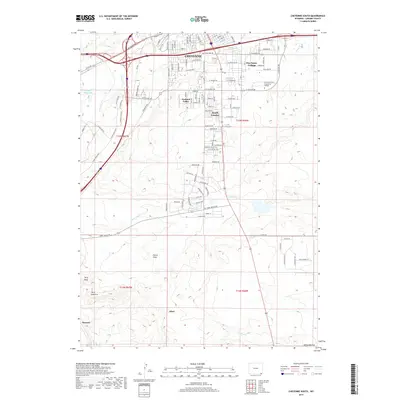 2017 Cheyenne South2017 Print · USGSGreater CHEYENNE and the surrounding High Plains are captured here just before the end of the 2010s. Researchers can trace the development of South Greeley and Orchard Valley, or locate landmarks like Laramie County Community College and Swan Reservoir.
Showing maps 1-25 of 31
Top cities near Cheyenne
- Ranchettes historical maps
- South Greeley historical maps
- Fox Farm–College historical maps
- Warren Air Force Base historical maps
Frequently asked questions
- What are the different types of historical maps available for Cheyenne?
- What is the oldest map of Cheyenne?
- Where can I purchase historical maps of Cheyenne for my home or office?
- Where can I download high-res historical maps of Cheyenne?
- Are there historical topographic maps available for Cheyenne?
- Is there historical aerial imagery available for Cheyenne?
- Where are historical maps of Cheyenne sourced from?