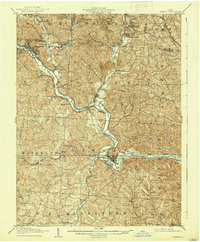
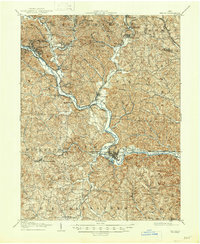
1905 Map of Athens
USGS Topo · Published 1937About this map
The Hocking River carves a central path through this early twentieth-century landscape, acting as the primary artery for both geography and commerce. This Hocking Valley region is defined by its industrial rail network, where the Hocking Valley RR, Kanawha and Michigan RR, and Baltimore and Ohio Southwestern RR converge to serve numerous coal-mining and salt-producing settlements. Towns like Nelsonville, Glouster, and Buchtel are shown at their industrial height, clustered along the creek valleys of Monday Creek and Sunday Creek. The terrain is characterized by intricate drainage patterns such as Snow Fork and Goose Run, illustrating the rugged topography that dictated the placement of early townships like Dover and Waterloo. Small, now-diminished locales including Modoc, Orbiston, and Floodwood appear as vital stops on the rail lines, providing a clear picture of the region's historical settlement density before the mid-century transition.
Find a feature on this map
63 named features on this map. Tap any name to fly to it.
Don’t see what you’re looking for? This feature index may not catch every label — zoom into the map to look around manually.
Map Details
Editions of this 1905 Athens Map
6 editions found
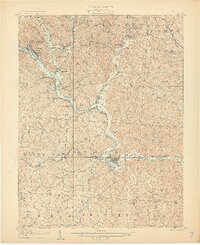
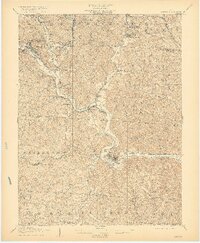
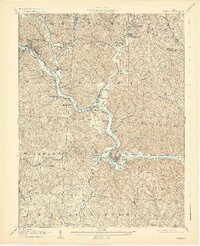
Other maps of this area
1903 · Athens
USGS Topo · 1:62,500
1904 · Zaleski
USGS Topo · 1:62,500
1904 · Chesterhill
USGS Topo · 1:62,500
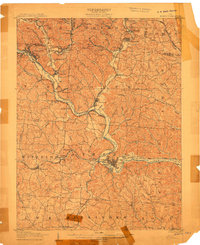
1905 · Athens
USGS Topo · 1:62,500
1905 · Wilkesville
USGS Topo · 1:62,500
1906 · Chesterhill
USGS Topo · 1:62,500
1907 · Pomeroy
USGS Topo · 1:62,500
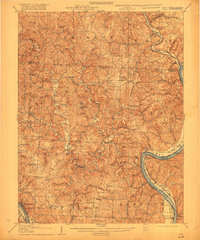
1907 · Keno
USGS Topo · 1:62,500
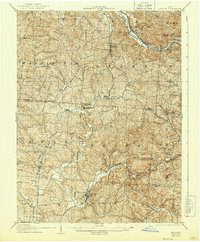
1907 · Zaleski
USGS Topo · 1:62,500
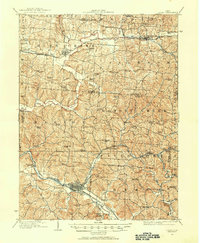
1907 · Logan
USGS Topo · 1:62,500