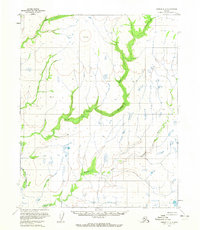
1954 Map of Candle D-2
USGS Topo · Published 1965About this map
The Buckland River system dominates this Alaskan landscape, with its sweeping corridors of vegetation and complex wetlands captured during mid-1950s aerial surveys. The terrain is defined by the convergence of the North Fork Buckland River and the Middle Fork Buckland River, which carve through an environment marked by scattered upland landmarks like Boulder, Cotton, and Cow. In the northwestern corner, the Fish River flows toward the Arctic coast, illustrating the hydrological divide of the Seward Peninsula region. This survey, based on photography from the U.S. Department of the Interior, details the vast, roadless tundra where land lines remain largely unsurveyed and unmarked, according to the Bureau of Land Management records of the Kateel River Meridian. The map serves as a primary record of this remote drainage network before later environmental changes, focusing on the natural geography of the Northwest Arctic.
Find a feature on this map
7 named features on this map. Tap any name to fly to it.
Don’t see what you’re looking for? This feature index may not catch every label — zoom into the map to look around manually.
Map Details
Editions of this 1954 Candle D-2 Map
This is the sole edition of this map. No revisions or reprints were ever made.
Other maps of this area
1951 · Candle
USGS Topo · 1:250,000
1951 · Selawik
USGS Topo · 1:250,000
1954 · Candle C-2
USGS Topo · 1:63,360
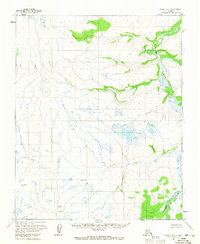
1954 · Candle D-1
USGS Topo · 1:63,360
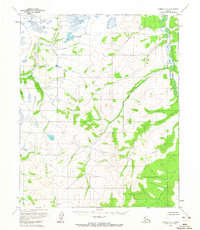
1954 · Candle C-1
USGS Topo · 1:63,360
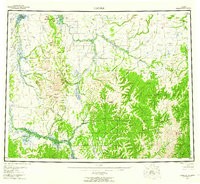
1955 · Candle
USGS Topo · 1:250,000
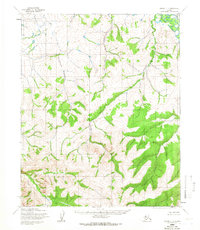
1955 · Candle C-3
USGS Topo · 1:63,360
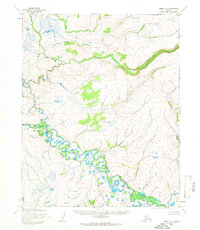
1955 · Candle D-3
USGS Topo · 1:63,360
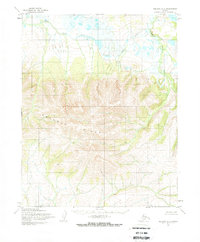
1955 · Selawik A-3
USGS Topo · 1:63,360
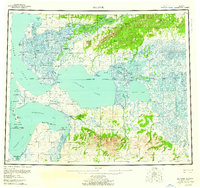
1957 · Selawik
USGS Topo · 1:250,000