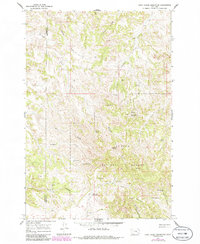
1966 Map of Cook Creek Reservoir
USGS Topo · Published 1986About this map
Custer National Forest encompasses the rugged divide between Rosebud and Powder River counties, where a complex network of intermittent drainages carves through the Montana high plains. The landscape is defined by its water management, featuring numerous named water sources critical for livestock and land use, such as Cottonwood Well and Colbert Coulee Well. Isolated settlements like Colbert and Bringoff are situated near the headwaters of deep-cut terrain features like Rice Coulee and Double E Coulee. Central to the area’s geography is Cook Mountain, which serves as a landmark for the surrounding drainages of Cook Creek and the West Branch Daily Creek. This 1960s survey, updated in the mid-1980s, highlights the essential infrastructure of the era, from Shy Reservoir to Cook Creek Reservoir, reflecting the rural reliance on these scattered springs and catchments.
Find a feature on this map
32 named features on this map. Tap any name to fly to it.
Don’t see what you’re looking for? This feature index may not catch every label — zoom into the map to look around manually.
Map Details
Editions of this 1966 Cook Creek Reservoir Map
2 editions found
Other maps of this area
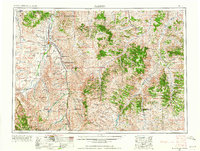
1954 · Hardin
USGS Topo · 1:250,000
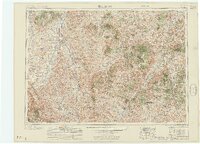
1957 · Hardin
USGS Topo · 1:250,000
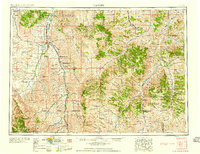
1958 · Hardin
USGS Topo · 1:250,000
1966 · Coleman Draw
USGS Topo · 1:24,000
1966 · Ashland
USGS Topo · 1:24,000
1966 · Beaver Creek School
USGS Topo · 1:24,000
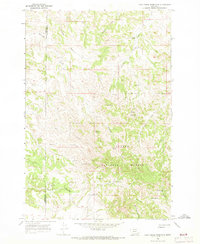
1966 · Cook Creek Reservoir
USGS Topo · 1:24,000
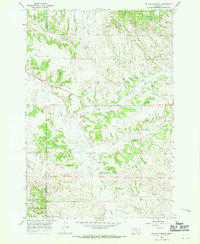
1966 · Willow Crossing
USGS Topo · 1:24,000
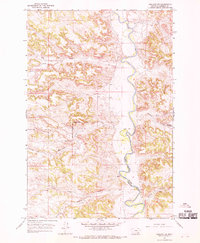
1966 · Ashland NE
USGS Topo · 1:24,000
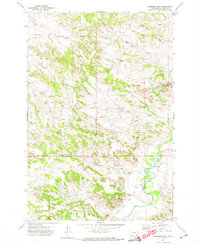
1971 · Hammond Draw
USGS Topo · 1:24,000