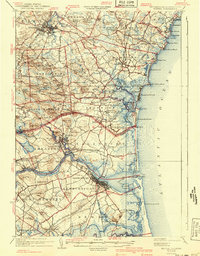
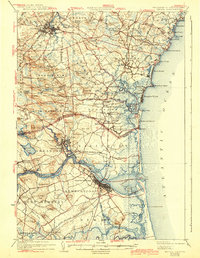
1934 Map of Exeter
USGS Topo · Published 1941About this map
Phillips Exeter Academy anchors the inland landscape of this coastal survey, where the Exeter River winds through a network of small schoolhouses and family-named corners such as Humphrey Corners and Fogg Corners. The topography reveals the intricate water economy of the New Hampshire and Massachusetts borderlands, defined by the tidal reaches of the Hampton River and the broad mouth of the Merrimack River at Newburyport. Along the shoreline, the map details a world of maritime navigation and recreation, from the rocky outcrops of Rye Ledge to the busy stretches of Hampton Beach and the protective barrier of Plum Island. The presence of the U.S. Life Saving Station and multiple light stations like the Newburyport Light highlights the era's reliance on coastal safety infrastructure. Heavy rail corridors, including the Boston and Maine Railroad, cut through marshlands to serve stations at Seabrook Sta and Hampton Falls Sta.
Find a feature on this map
150 named features on this map. Tap any name to fly to it.
Don’t see what you’re looking for? This feature index may not catch every label — zoom into the map to look around manually.
Map Details
Editions of this 1934 Exeter Map
5 editions found
Other maps of this area
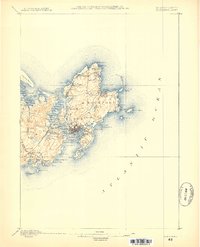
1886 · Gloucester
USGS Topo · 1:62,500
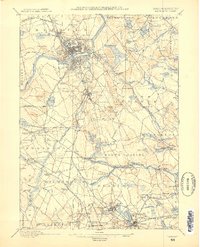
1886 · Lawrence
USGS Topo · 1:62,500
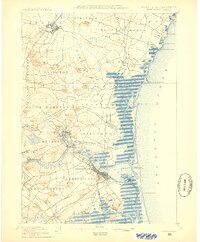
1888 · Newburyport
USGS Topo · 1:62,500
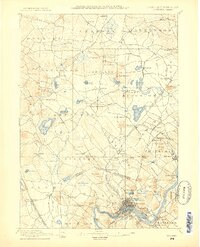
1888 · Haverhill
USGS Topo · 1:62,500
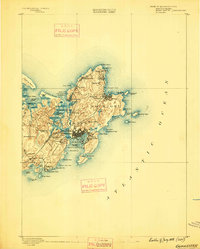
1888 · Gloucester
USGS Topo · 1:62,500
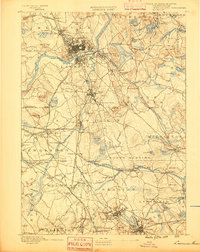
1888 · Lawrence
USGS Topo · 1:62,500
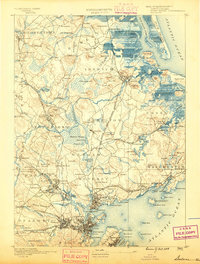
1888 · Salem
USGS Topo · 1:62,500
1890 · Haverhill
USGS Topo · 1:62,500
1890 · Newburyport
USGS Topo · 1:62,500
1893 · Dover
USGS Topo · 1:62,500