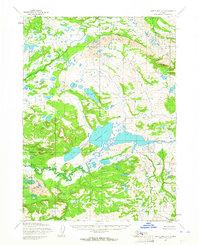
1954 Map of Lake Clark A-7
USGS Topo · Published 1964About this map
Nikabuna Lake and the broader chain of the Nikabuna Lakes dominate this Alaskan landscape in the mid-1950s. The region is characterized by a complex network of glacial water bodies and the winding course of the Chulitna River, which meanders through the southern half of the quadrangle. The map documents a wilderness state prior to modern infrastructure, where land lines represent unsurveyed locations predetermined by the Bureau of Land Management. A significant surveying marker, the Seward Base Line, cuts across the center of the sheet, providing the primary east-west reference for this remote territory. The terrain is marked by thousands of small ponds and wetlands surrounding the larger Chulitna River drainage, reflecting a post-glacial drainage pattern in the Lake Clark area.
Find a feature on this map
5 named features on this map. Tap any name to fly to it.
Don’t see what you’re looking for? This feature index may not catch every label — zoom into the map to look around manually.
Map Details
Editions of this 1954 Lake Clark A-7 Map
This is the sole edition of this map. No revisions or reprints were ever made.
Other maps of this area
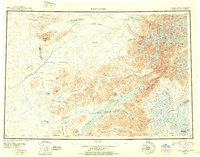
1946 · Lake Clark
USGS Topo · 1:250,000
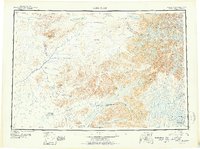
1951 · Lake Clark
USGS Topo · 1:250,000
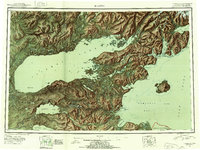
1952 · Iliamna
USGS Topo · 1:250,000
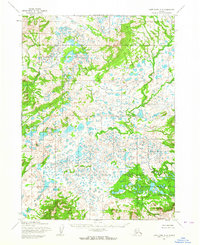
1954 · Lake Clark A-8
USGS Topo · 1:63,360
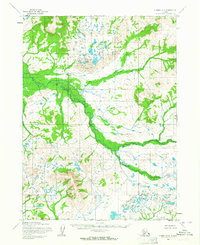
1954 · Iliamna D-8
USGS Topo · 1:63,360
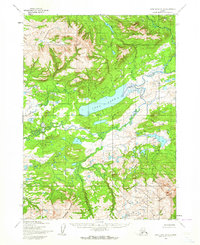
1954 · Lake Clark A-6
USGS Topo · 1:63,360
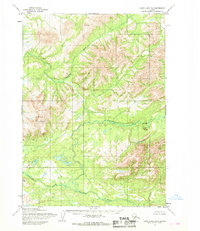
1954 · Lake Clark B-6
USGS Topo · 1:63,360
1954 · Iliamna D-7
USGS Topo · 1:63,360
1954 · Lake Clark B-8
USGS Topo · 1:63,360
1954 · Lake Clark B-7
USGS Topo · 1:63,360