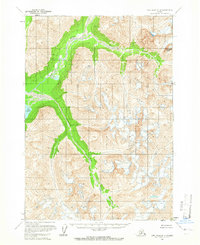
1958 Map of Lime Hills A-2
USGS Topo · Published 1965About this map
Merrill River and the Necola River converge in this glaciated landscape of the Alaska interior, as documented by aerial photography from the mid-1950s. The map illustrates a transitional wilderness where water systems define the navigable routes through high-elevation terrain. Notable landmarks like Goldpan Peak and the western edge of Two Lakes anchor the topography, while the southern reaches of the sheet are marked by extensive crevasses and ice fields. This edition represents a moment when the Bureau of Land Management was predetermining land lines for the Seward Meridian in a region with no established roads or trails. The inclusion of the Tlikakila River valley showcases the intricate drainage patterns that characterize this roadless subarctic environment before modern development reached the area.
Find a feature on this map
6 named features on this map. Tap any name to fly to it.
Don’t see what you’re looking for? This feature index may not catch every label — zoom into the map to look around manually.
Map Details
Editions of this 1958 Lime Hills A-2 Map
This is the sole edition of this map. No revisions or reprints were ever made.
Other maps of this area
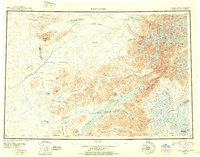
1946 · Lake Clark
USGS Topo · 1:250,000
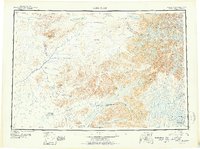
1951 · Lake Clark
USGS Topo · 1:250,000
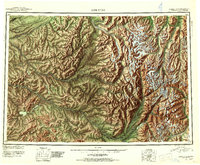
1951 · Lime Hills
USGS Topo · 1:250,000
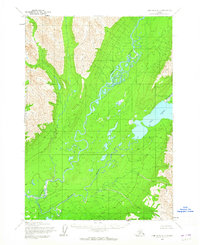
1954 · Lime Hills A-3
USGS Topo · 1:63,360
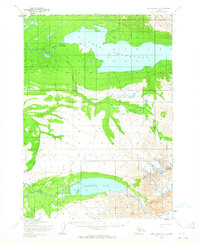
1954 · Lake Clark D-3
USGS Topo · 1:63,360
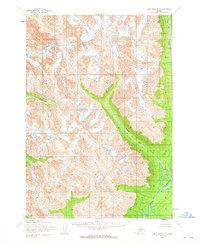
1954 · Lime Hills B-3
USGS Topo · 1:63,360
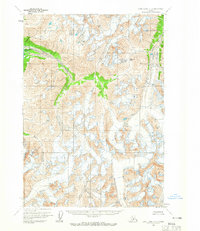
1958 · Lake Clark D-2
USGS Topo · 1:63,360
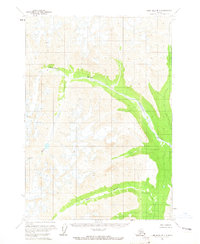
1958 · Lime Hills B-1
USGS Topo · 1:63,360
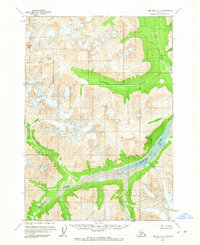
1958 · Lime Hills A-1
USGS Topo · 1:63,360
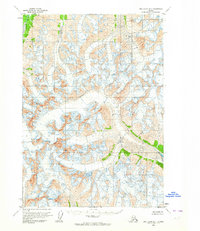
1958 · Lake Clark D-1
USGS Topo · 1:63,360